

NAGAFF Scribe Calls for Urgent Reforms to Protect Indigenous Freight Forwarders
ZAINAB JUNAID
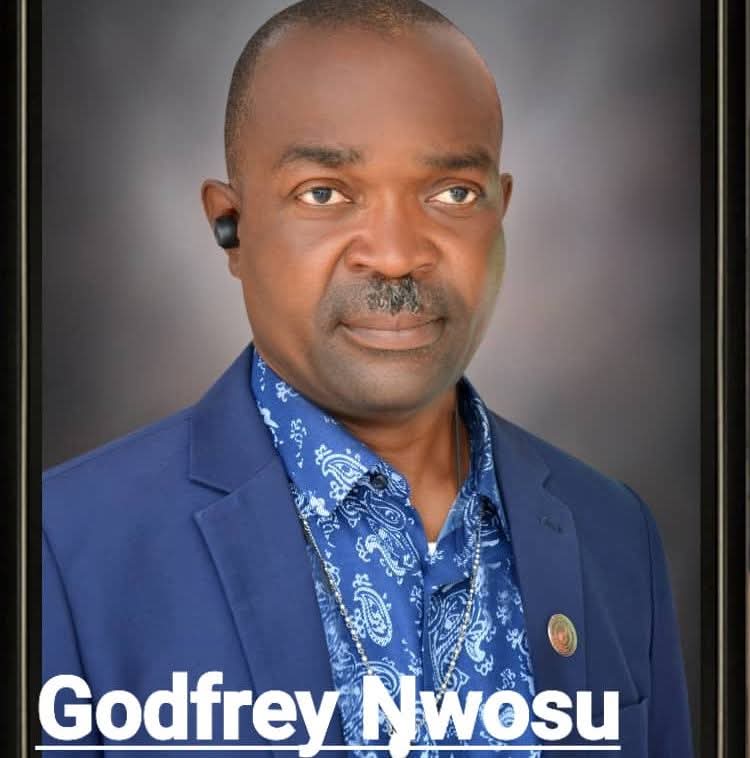
The Secretary General of the National Association of Government Approved Freight Forwarders (NAGAFF), FWDR Godfrey Emeka Nwosu, has expressed concern over what he described as the growing neglect of indigenous freight forwarders amid the Nigeria Customs Service’s (NCS) drive toward digital transformation and artificial intelligence (AI)-driven trade facilitation.
He warned that unless urgent measures are taken, foreign operators could gain dominance in the subsector, with implications for Nigeria’s economy, professional standards, and national security.
In a policy brief titled “Safeguarding the Future of Indigenous Freight Forwarders in Nigeria’s Maritime Economy,” Nwosu commended the NCS under the leadership of the Comptroller-General of Customs, Adewale Adeniyi, for investing in capacity building and modernisation.

However, he argued that indigenous freight forwarders, whom he described as critical facilitators of trade and revenue collection, are not receiving comparable support to prepare for the evolving digital trade environment.
Related Posts
Nwosu also alleged that the Council for the Regulation of Freight Forwarding in Nigeria (CRFFN) has not effectively fulfilled its statutory responsibilities under the CRFFN Act, 2007.
According to him, the Council has failed to implement structured training programmes, enforce professional standards, and adequately prepare freight forwarders for digital trade and AI integration, leaving indigenous practitioners vulnerable.
He further warned that the absence of sustained capacity development could expose the country to economic, professional, and national security risks. These, he said, include revenue leakage, declining competitiveness of local operators, the erosion of professional standards, and increased dependence on foreign freight forwarding firms in critical trade processes.
To address the challenges, Nwosu called on the CRFFN to introduce mandatory training and certification programmes aligned with international best practices, while equipping freight forwarders with AI and digital logistics skills. He also advocated stricter enforcement of the CRFFN Act, stronger collaboration among the NCS, CRFFN, and freight forwarding associations, as well as sustained public awareness on the importance of protecting indigenous practitioners.
He maintained that Nigeria’s maritime economy cannot realise its full potential if indigenous freight forwarders continue to be overlooked, urging the CRFFN to discharge its statutory mandate by strengthening professional standards and building the capacity of local operators to remain competitive and contribute effectively to trade facilitation and revenue generation.