

UNILAG Economist Prof. Akinleye Links Non-Oil Export Growth to Forex Reforms, Port Modernisation
.Seeks Household Relief from Reforms
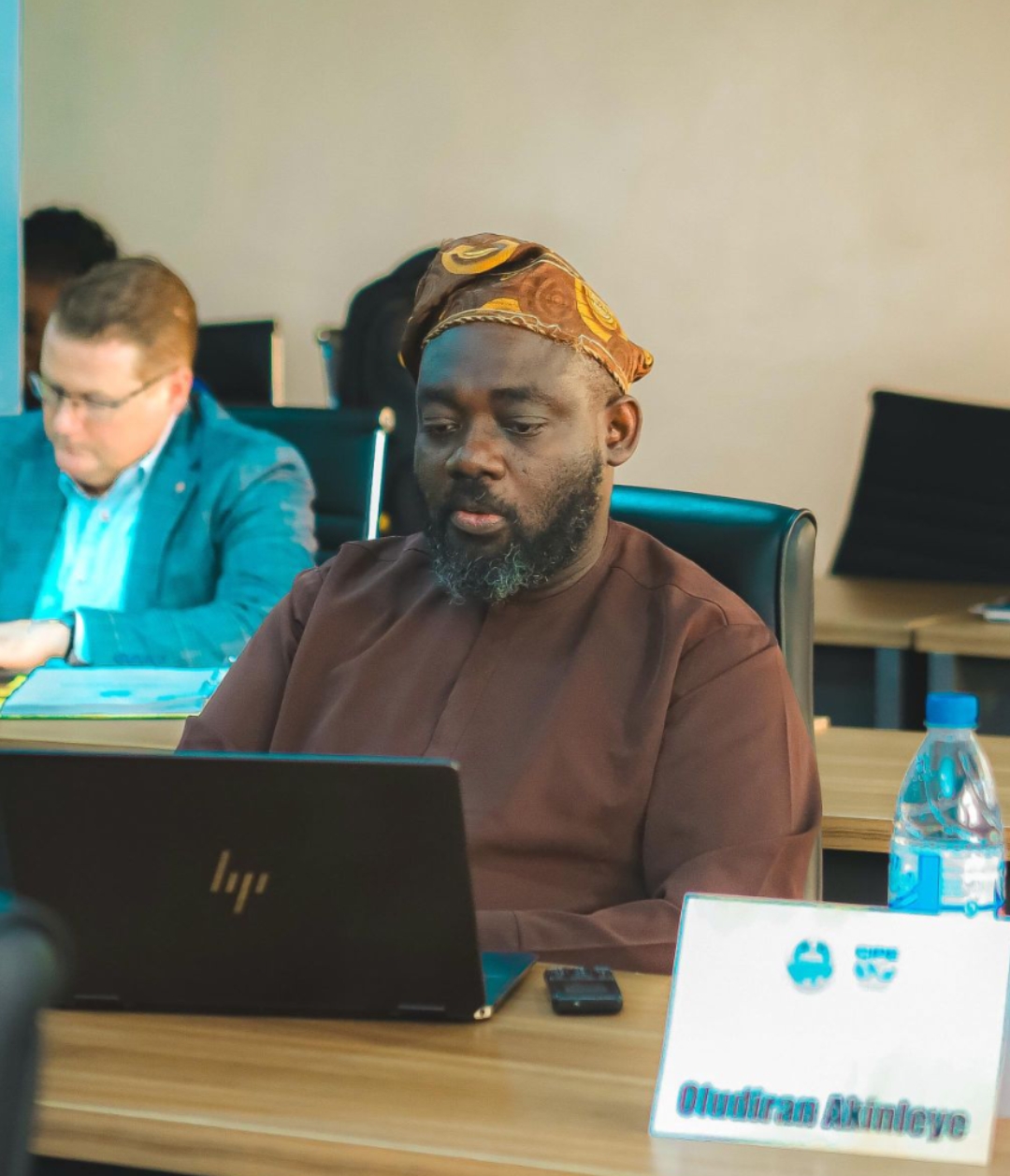
ZAINAB JUNAID
An economist and distinguished Professor of Development Economics, who is also the current Head of the Department of Economics at University of Lagos, Professor SO Akinleye, has attributed Nigeria’s recent growth in non-oil exports to ongoing foreign exchange reforms and efforts to modernise trade infrastructure, describing the development as evidence of a gradual structural shift in the economy.
Speaking during an interview with TransitNews Ng, on the country’s rising export performance, the Professor said the removal of multiple exchange rates and forex subsidies has improved the competitiveness of locally produced goods and encouraged export activities.
According to him, the previous exchange rate regime made imports artificially cheaper, discouraging domestic production.
“One of the reforms backed by the current administration is the eradication of dual exchange rates, which is basically the removal of subsidy on forex,” he said.“When you remove the subsidy and allow market forces to determine the operation of the market, local production becomes more competitive.”
He explained that countries with strong export-driven economies often maintain relatively weaker local currencies, noting that the current pricing of the naira could support Nigeria’s long-term export ambitions.
The economist described the current export trend as a structural adjustment rather than a temporary development, stressing that local producers are beginning to benefit from the new market realities.
“Imports now have to compete directly with local production, and many producers are coming into their own,” he stated.
He added that Nigerian products are increasingly finding markets across West Africa and other parts of Africa due to improved price competitiveness.
On concerns that the export growth has yet to translate into lower living costs for Nigerians, the economist said structural reforms typically require years before their benefits fully reflect in household welfare.
“The price system has shifted, and wages are gradually coming along with it, but there is still a period of adjustment that may take years,” he said.
Related Posts
He noted that the growing contribution of non-oil exports is particularly important because the sector creates more jobs and spreads economic activities beyond the oil-producing regions.
Speaking on the ongoing ports upgrade and trade facilitation reforms, he said modernising port infrastructure would help reduce delays and improve Nigeria’s competitiveness under the African Continental Free Trade Area (AfCFTA).
“One of the major problems with Nigerian ports is outdated equipment and processes. Modernisation will reduce time spent at the ports and improve trade efficiency,” he said.
The economist, however, stressed that reforms must move beyond policy announcements to effective implementation, especially in reducing bureaucracy and human interference in trade procedures.
“The ease of doing business has to improve seriously because export processes still involve too much paperwork and human interference,” he added.
He also called for greater investment in infrastructure, power supply, transportation and research and development to sustain export growth and industrial expansion.
On Nigeria’s position within AfCFTA, he said the country’s large market size presents both opportunities and risks, particularly concerns about dumping from other African markets.
“There are concerns about how to prevent dumping because Nigeria remains one of the continent’s largest consumer markets,” he noted.
He further stressed that successful reforms require both government commitment and citizen responsibility.
“If you want change, be the one person that must change,” he said.