

LASWA Backs Homegrown Transport Model, Stresses Strategic Infrastructure Siting
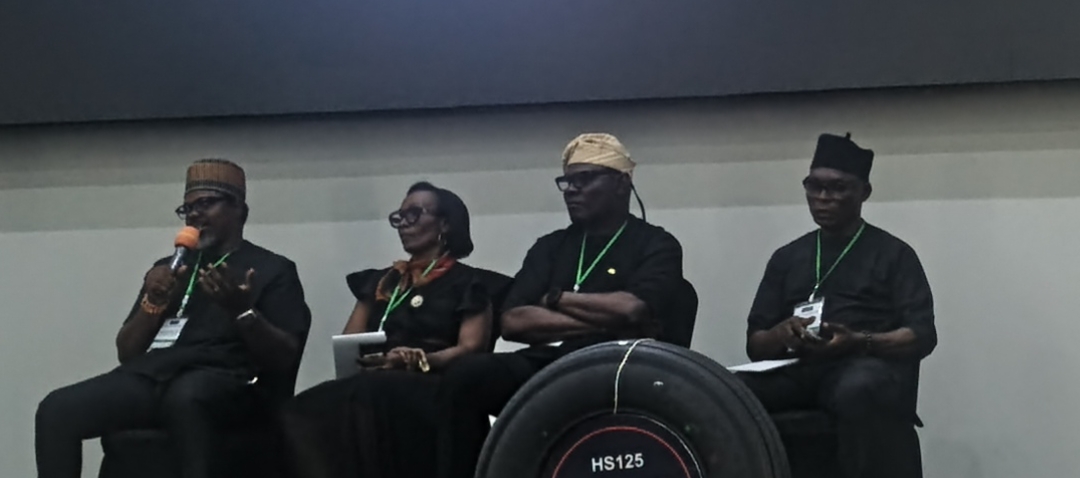
The Lagos State Water Authority, LASWA, has called for a homegrown multimodal transport model that reflects Nigeria’s peculiar needs rather than importing systems from foreign countries.
Assistant Chief Occupational Safety Officer and HSSE Unit, Mr Shittu Oladimeji made the submission during a panel session at the 2nd JustNet Transport Summit on Friday, 23 October 2026 in Lagos, where stakeholders discussed rail-led multimodal integration and the need to improve freight and passengers transportation in Nigeria.
Oladimeji said the development of an effective multimodal transport system required proper infrastructure planning, strategic location of facilities, interconnectivity and safety.
He said the construction of rail lines, ports and road terminals alone would not guarantee efficient transportation if the facilities were not located where they could serve their intended purposes.
According to him, goods often originate from road-connected locations before being transferred to rail, so transport infrastructure must be positioned to support the movement of goods and passengers across different modes.
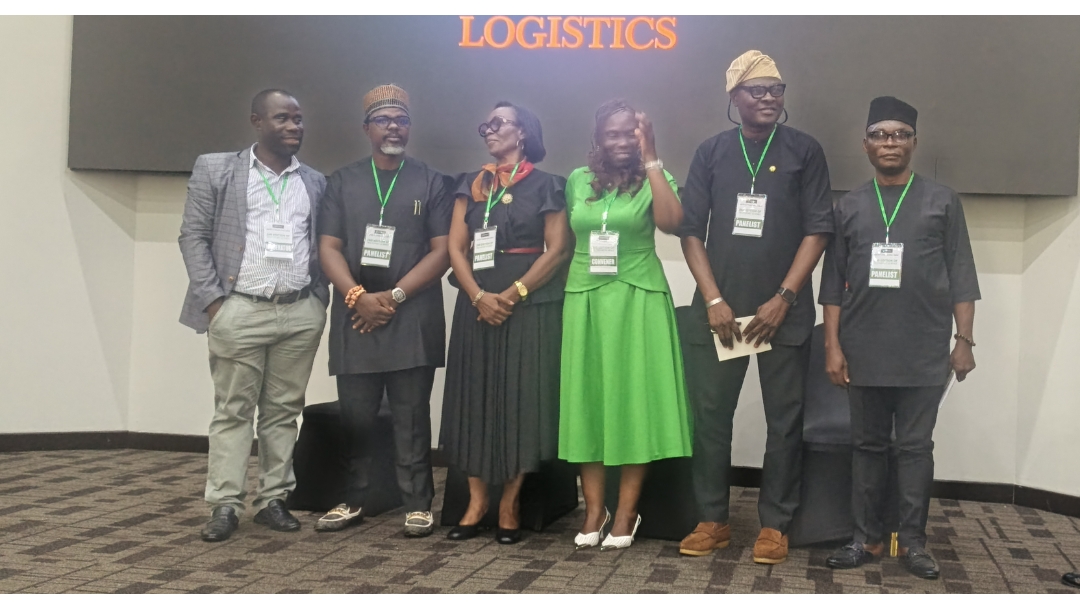
Oladimeji, who represented the Special Adviser to the Lagos State Governor on Blue Economy, Mr Oludamilola Emmanuel noted that the Lagos State Government is promoting an integrated transport system that connects road, rail and waterways, allowing commuters to combine different modes to reach their destinations.
Citing the Cowry Card payment system, he said commuters could use one payment platform for Bus Rapid Transit (BRT), rail and boat services.
Related Posts
He explained that a commuter travelling from Ikorodu town to Okoko, another town in Lagos, can take a road vehicle to a jetty, travel by boat to Marina, connect to the train to Mile 2 and complete the journey by road.
According to him, such integration provides commuters with alternative routes and can help them avoid some road traffic congestion.
Oladimeji maintained that Nigeria did not necessarily need to import another country’s transport model, but could develop a system based on its own circumstances and transportation needs.
He also urged the Federal and Lagos State governments to ensure that infrastructure projects were fit for purpose and are properly maintained.
On safety, Oladimeji said public confidence is essential to the adoption of any transport mode, noting that people were more likely to use a system they considered safe.
He cited the Lagos waterways as an example, saying the perceived safety of water transportation had encouraged more people to use the service.
“Then you also need to consider the safety of whatever you are going to build, because what will drive people to a particular mode of transport is safety. When people have confidence in a particular mode of transport, they tend to use it more. Just like in Lagos State, for example, and if you look at the Lagos Waterway, for example, people are now coming to Lagos Waterway because of the perceived safety that exists in that waterway,” Oladimeji said.