

Experts Decry Lack of Policy Implementation, Political Will as Bane of Efficient Multimodal Transport System
…Say Mutually Beneficial Partnerships, Transparency, Integrity Key to Transport Resilience
Experts at the Second Nigeria Transport Summit 2026 have decried the lack of policy implementation, political will and adequate coordination of transport infrastructure as major obstacles to an efficient multimodal transport system in Nigeria.
They also identified policy misalignment, inadequate operational consultation, funding constraints and weak accountability in partnerships as issues requiring attention to strengthen Nigeria’s resilience to global disruptions.
During separate panel sessions at the event, themed “Navigating Global Disruptions and the Road Ahead: Mobility, Energy and Trade Facilitation for a Resilient Future,” the experts highlighted mutually beneficial partnerships, transparency and integrity as key to building resilience against global disruptions.
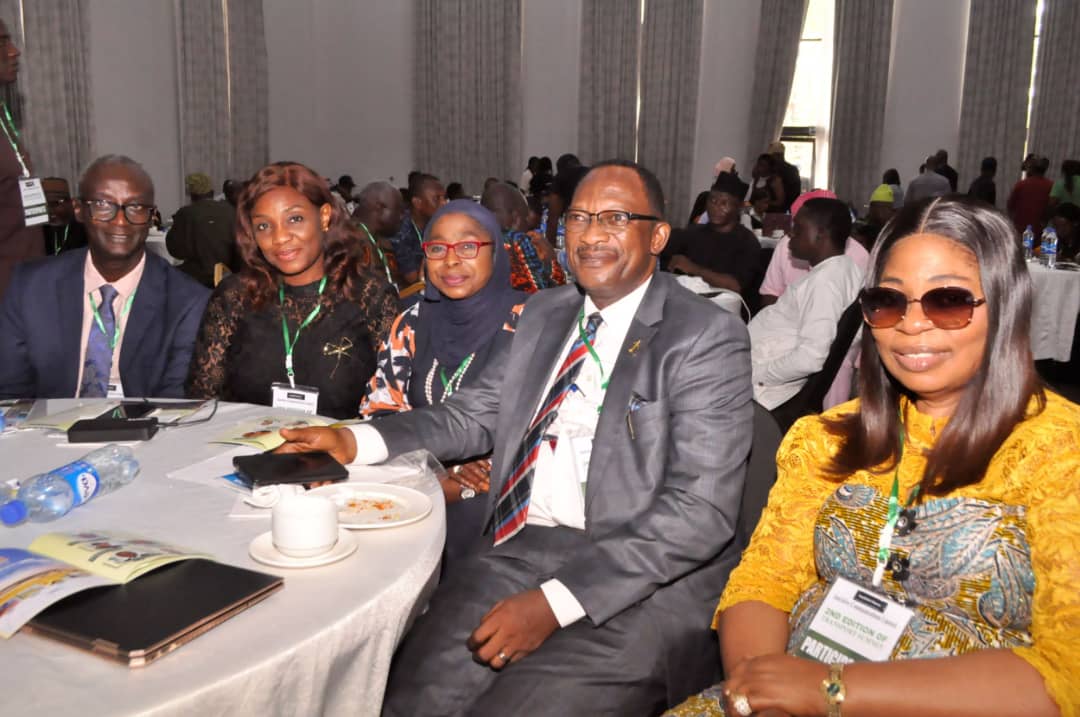
The summit, organised by JustAlive Communications, was held at Providence Hotel, GRA, Ikeja, Lagos, on Friday, 23 October 2026.
It featured two panel sessions and a segment that spotlighted the immense contribution of Bi-Courtney Aviation Services Limited (BASL) to the growth of the transport sector through effective and innovative airport operations.
The summit brought together government officials, industry leaders, development partners and other stakeholders to examine the disruptions confronting global transport and Nigeria’s preparedness to withstand them.
BASL Highlights Safety Measures at MMA2 Terminal
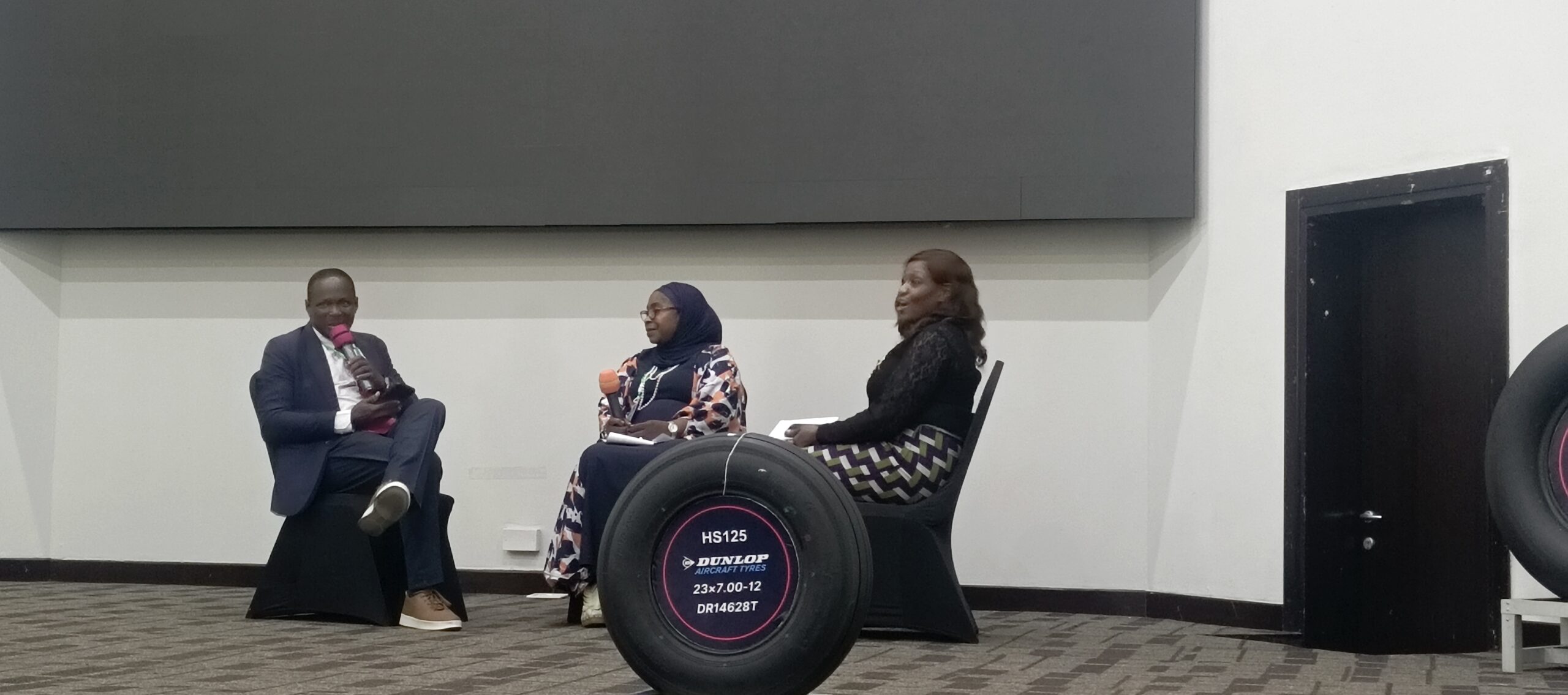
This session underscored the contribution of Bi-Courtney Aviation Services Limited, BASL, operators of Murtala Muhammed Airport Terminal Two (MMA2), to national development, through airport operations.
Featuring the Head of Safety at MMA2, Mrs Nafisat Adeniran, and the Head of Corporate Communications, Mrs Ajoke Yinka-Olawuyi, the session was moderated by Mr Ewos Iroro, an aviation journalist.
The panelists outlined strategies deployed by the company to achieve its mandates, highlighting resilience, innovation and digital technology as key to investing in and sustaining critical infrastructure despite the challenges involved.
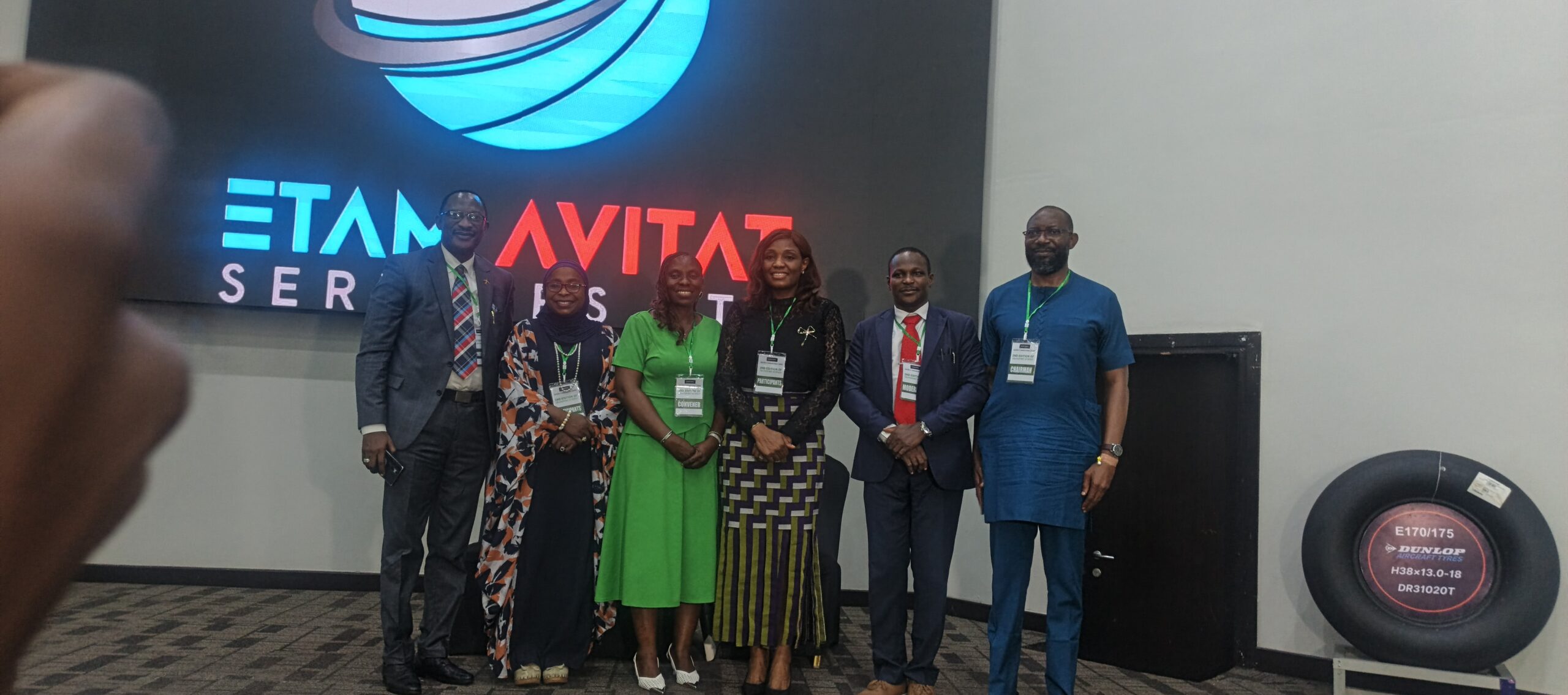
Speaking on measures to ensure that the MMA2 environment remains safe for its users, Adeniran stressed that safety was critical to the aviation industry and that the terminal facilities and operational arrangements had been designed to align with safety requirements.
She explained that fire safety equipment and other provisions were determined by risk assessments and the intended use of each location.
She said safety considerations had been embedded in the terminal’s design and construction.
According to her, the company had continued to adapt its safety management profile to reflect changes in operations and emerging trends.
She also disclosed that MMA2 conducted two risk assessments annually, including one in the first quarter and another towards the end of the year, to evaluate available resources, identify gaps and determine the measures required to maintain acceptable safety levels.
The assessments, she said, help the company determine whether its risk controls are reliable and adequate and whether additional measures are needed.
“We ensure we engage our stakeholders, we empower and also train them for free on fire training. This is because their involvement and participation is very key in our assessment,” Adeniran said.
On the recently signed agreements involving the Minister of Aviation and Aerospace Development, Festus Keyamo, to resolve longstanding disputes among the Federal Government, the Federal Airports Authority of Nigeria (FAAN), Bi-Courtney Aviation Services Limited and Stabilini Visinoni Limited, the second speaker, Yinka-Olawuyi noted that the development would usher in a new chapter for the concession agreement.
She said resolving the disputes would create an opportunity to unlock the full potential of the agreement, including job creation.
Stakeholders Call for Policy Alignment, Business Continuity Plans
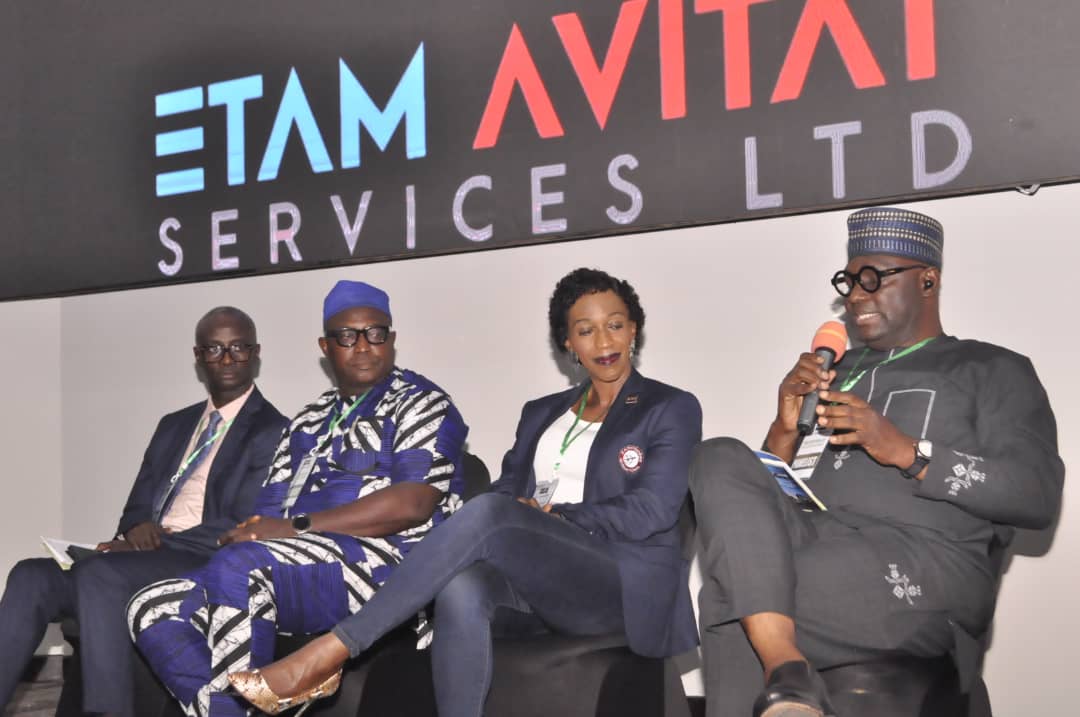 The first panel session examined how government and industry operators could build a resilient mobility and trade system amid geopolitical tensions, economic uncertainties, climate change, shifting energy markets and disruptions to global supply chains.
Also moderated by Iroro, the discussions focused on mobility, energy and trade facilitation, with panelists examining the need for coordinated policies, business continuity planning, sustainable investment and stronger public-private sector partnerships.
Speaking during the session, the Managing Director and Chief Executive Officer of Pathfinders International Limited, Mrs Nkechi Onyenso, said businesses needed to prepare for disruptions both within and outside their control, including pandemics, by developing comprehensive business continuity plans and strategies for rapid recovery.
She emphasised that government policies must reflect the operational realities of the private sector, warning that a disconnect between policymakers and affected businesses could undermine sustainable operations.
“Everybody must be in the room. As governments make the policies, the players are also in the room,” Onyenso said, calling for harmonised policies developed through collaboration between government and industry stakeholders.
She also urged companies to anticipate different risk scenarios and broaden their preparedness plans to address unexpected disruptions.
On his part, Mr Benedict Olufemi, who represented Captain Ado Sanusi of Aero Contractors, advocated greater consultation with operators before government policies were implemented, arguing that some decisions failed to adequately consider the operational challenges faced by businesses.
Using airport operations as an example, he said delays experienced by passengers could result from inadequate facilities and inefficient processing systems rather than the airlines themselves.
Olufemi said assessing operational capacity and consulting industry players before finalising policies would help identify potential bottlenecks and improve implementation.
Also, aviation journalist and media veteran, Mr Wole Shadare said disruptions arising from natural events and human actions could trigger wider economic consequences, particularly through increases in energy prices and their effects on transportation.
He noted that geopolitical crises could affect oil and gas prices, with implications for shipping, aviation and other transport operations.
Shadare maintained that government responses to such crises must address the difficulties experienced by the public, stressing that policy communication alone would not be sufficient if the measures introduced failed to ease the effects of disruptions.
Related Posts
Another panelist, Mr Olumide Ohunayo, General Secretary, Aviation Safety Round Table Initiative (ASRTI) highlighted the need for adequate reserves and stronger cooperation between government and private operators to manage disruptions.
He also discussed the financial pressures facing the aviation industry, stressing the need for an operating environment that would make airlines profitable and attract investment.
According to him, the government should see itself as a partner to airlines in creating conditions that support their viability and capacity to serve the economy.
In a further discussion on public-private partnerships, Madam Onyenso emphasised transparency, fairness, integrity and accountability as essential requirements for building trust between government and private investors.
She stressed that transparent financial records and viable, sustainable projects could improve investors’ confidence and access to international funding.
The stakeholders further underscored the need for mutually beneficial partnerships, operational consultation and a sustainable investment environment, stressing the government cannot independently address the challenges confronting the transport sector.
They concluded the session with calls for stronger accountability, improved coordination and policies that support both infrastructure development and the financial sustainability of transport operators.
Experts Decry Political Influence, Poor Coordination in Rail Development
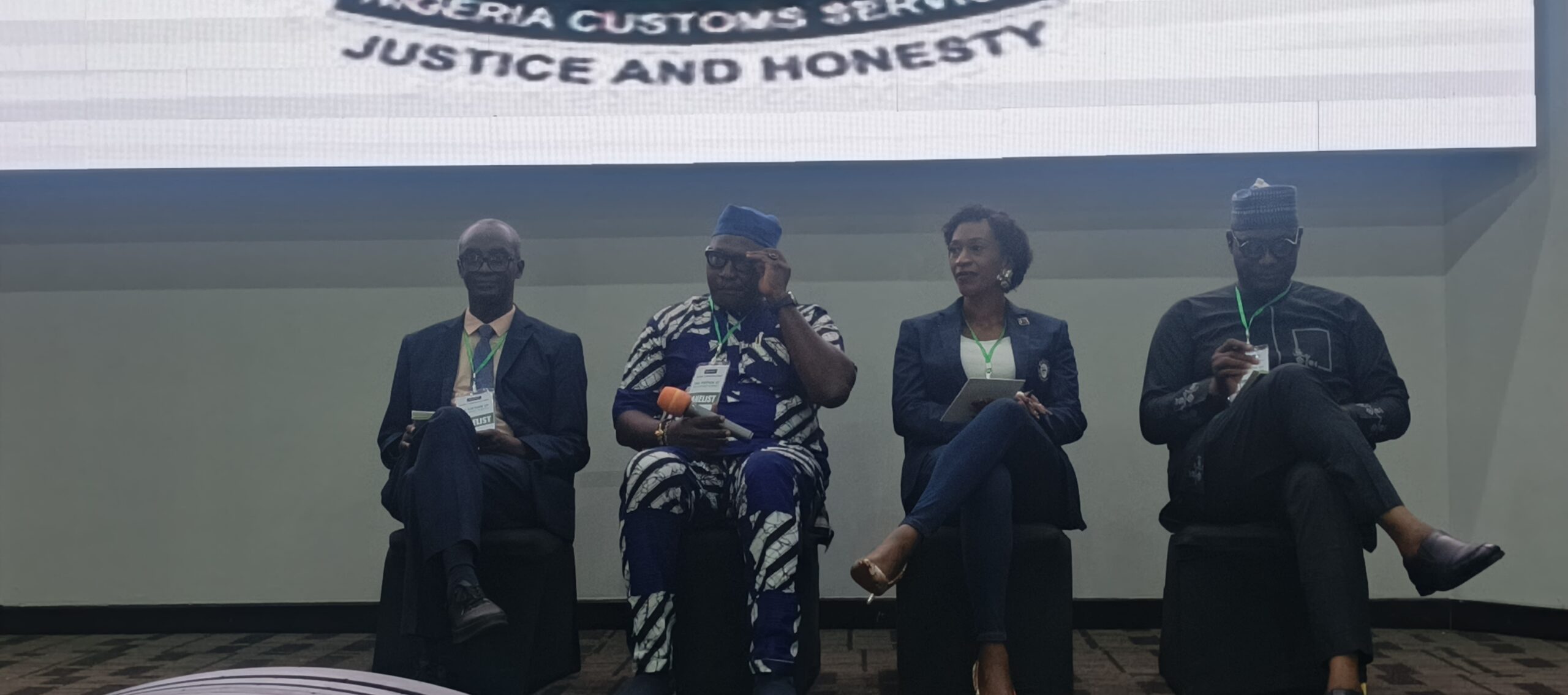
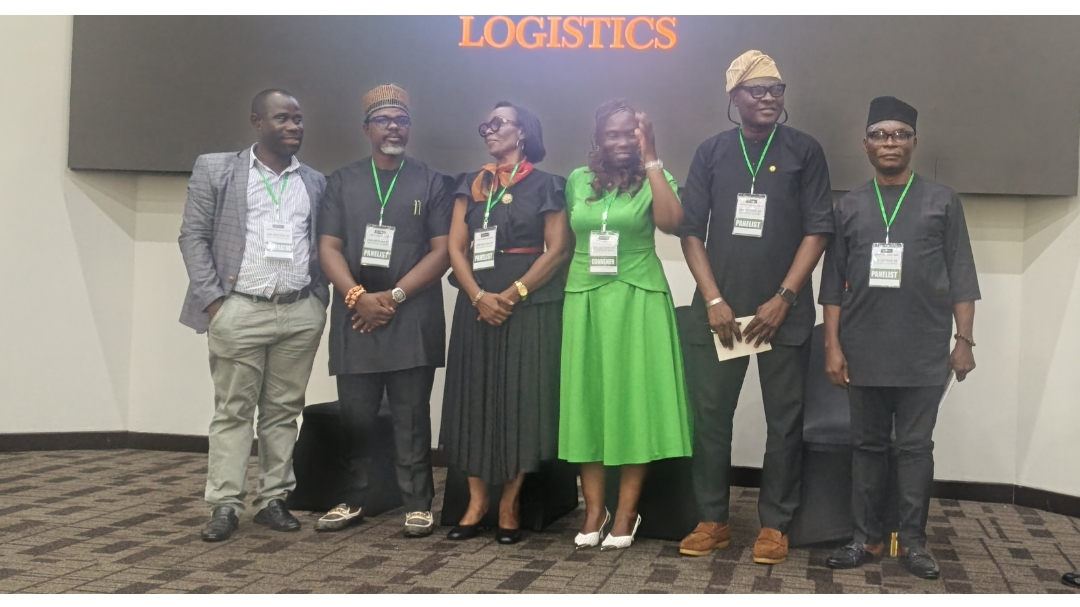
The second panel session featured transport and logistics experts who decried the lack of policy implementation, political will and adequate coordination of transport infrastructure as major obstacles to an efficient multimodal transport system in Nigeria.
It was moderated by the Transport Editor Guardian Newspaper, Mr. Olusegun Koiki.
During discussions on rail-led multimodal integration, trade facilitation and national connectivity, the experts expressed concern over the country’s dependence on road transport for cargo movement, stressing the need for effective interconnectivity among different modes of transportation.
Mr Kingsley Anaroke, Publisher of MMS Plus, criticised the political considerations influencing rail development in Nigeria, saying infrastructure projects had not been adequately aligned with the country’s needs and commercial viability.
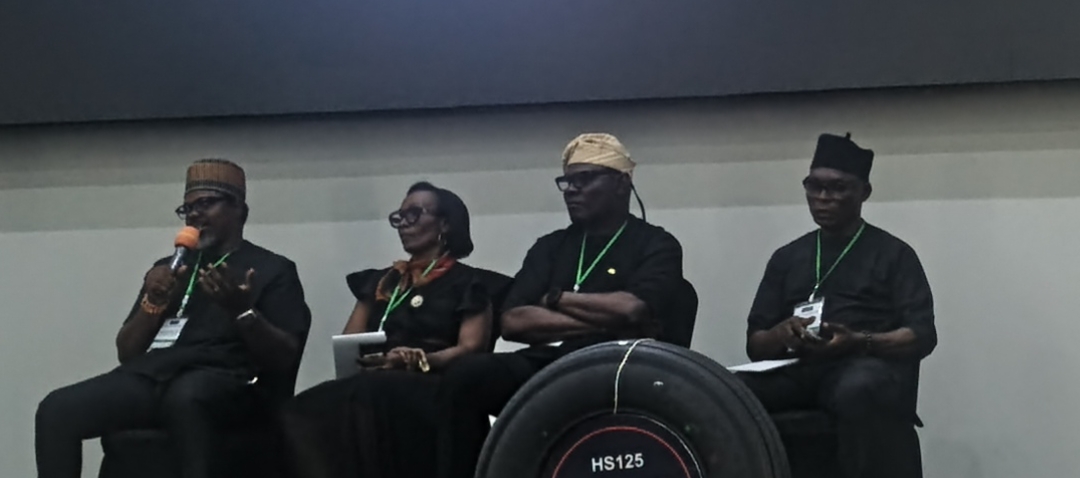
Anaroke said the decision by former President Muhammadu Buhari to move rail development from the Exclusive Legislative List to the Concurrent Legislative List was intended to enable states to develop their own rail systems, but many states still depended on the Federal Government to actualise the plan.
He faulted the concentration of rail projects in Lagos, Ogun, Kaduna and Kano, noting that the South-East and South-South had not received comparable attention.
“Transport development has always been politically driven. We do not develop them because we need them,” Anaroke said, calling for rail corridors that reflect cargo movement patterns and commercial needs.
He also advocated stronger rail connectivity along routes serving the South-East and South-South, alongside private-sector participation in rail operations, to improve cargo movement and reduce dependence on road transport.
Another speaker, Madam Olubowale Iseoluwa, buttressed the points raised, emphasising the need for interconnectivity.
She urged transport operators and policymakers to develop services that reflect the actual needs of businesses rather than imposing requirements that could discourage the use of rail.
Illustrating the difficulty of accessing rail freight services, she recounted an experience in which she sought to move two containers from a port towards Maiduguri but was told by Nigerian Railway Corporation(NRC) officials that the service could not accommodate the consignment unless she had at least 10 or 11 containers.
The experience, she said, raised questions about the ability of rail freight services to accommodate smaller businesses and individual cargo owners.
The Managing Director of AZ Logistics, Dr Azeez Mustapha, said Nigeria’s major challenge was not the absence of policies or plans but the failure to implement them, stressing that rail transport could not operate effectively in isolation from other modes of transportation.
He stated that an efficient transport system required effective connections between railways, seaports, airports and road networks to facilitate the movement of goods and passengers.
Also, the Special Adviser to the Lagos State Governor on Blue Economy, Mr Oluwadamilola Emmanuel, represented by Mr Shittu Oladimeji of the Lagos State Waterways Authority (LASWA), said constructing facilities without proper planning and consideration of cargo origins and destinations could undermine their usefulness.
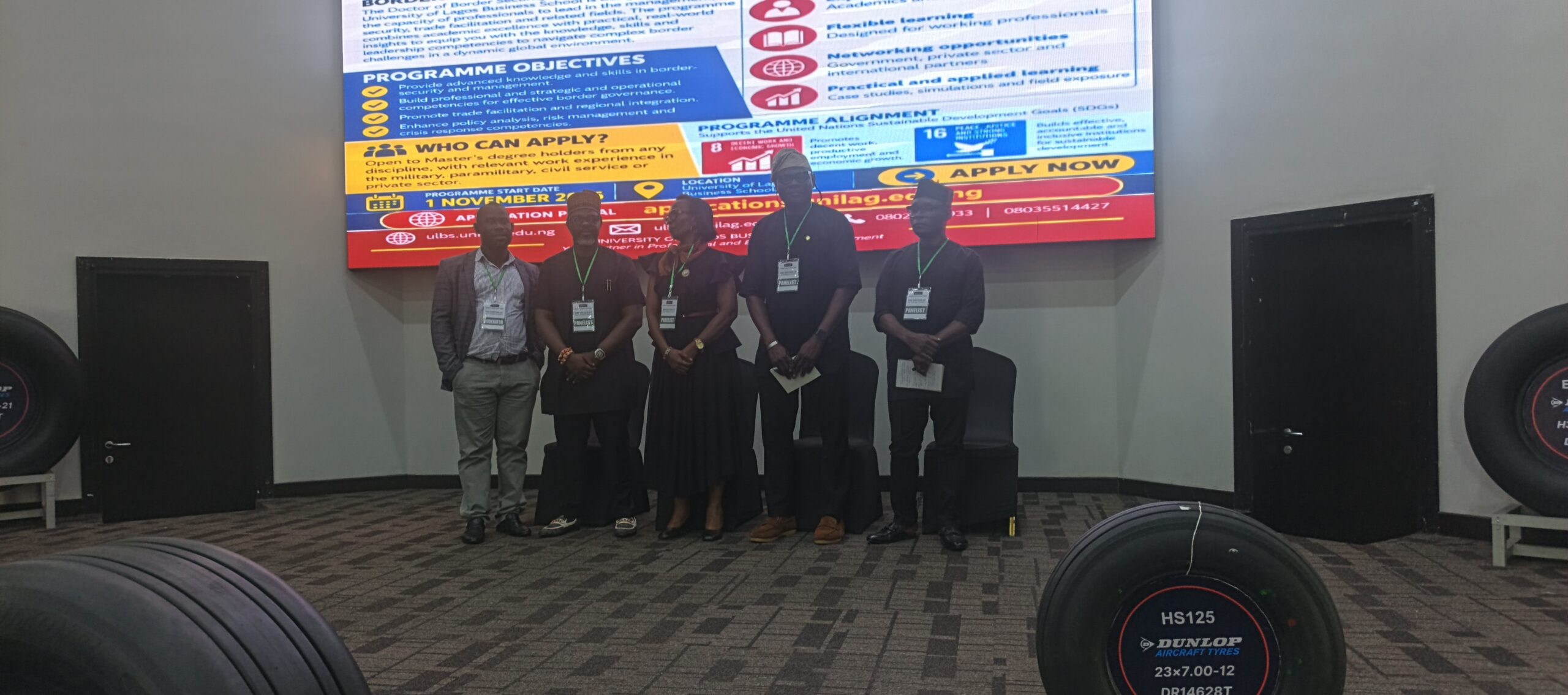
He stressed the need for feasibility studies and strategic placement of infrastructure to ensure that rail terminals, ports and road networks served their intended purposes.
According to him, the Lagos State Government’s efforts to promote multimodal transportation demonstrate the importance of connecting coastal communities and waterways with rail and road transport to improve mobility and cargo distribution.
The discussions at the summit brought into focus the need for Nigeria to move beyond the construction of individual transport facilities towards developing a properly connected transportation network.
For an economy that depends on the movement of goods from production centres to markets, seaports and other destinations, the ability to connect different transport modes remains essential to reducing logistics costs, improving trade facilitation and strengthening national connectivity.
The concerns raised by the experts also suggest that infrastructure development must be guided by feasibility studies, cargo movement patterns, commercial considerations and the actual needs of transport users.
More importantly, existing policies must be implemented, while federal and state governments should improve coordination and provide an enabling environment for private-sector participation.
Until the country’s railways, seaports, airports, waterways and road networks are effectively interconnected, the full economic benefits of investments in these facilities may remain difficult to realise.
Ultimately, integrated transport is not merely about having different modes of transportation; it is about ensuring that they function as complementary components of a single system capable of supporting trade, business activities and Nigeria’s broader economic growth.
Earlier, in her welcome address, the convener, Madam Pearl Ngwama, expressed appreciation for the large turnout of guests at the event, which she said came at a time when the transport industry needed to take decisive steps as it battled significant operational, economic and geopolitical uncertainties.
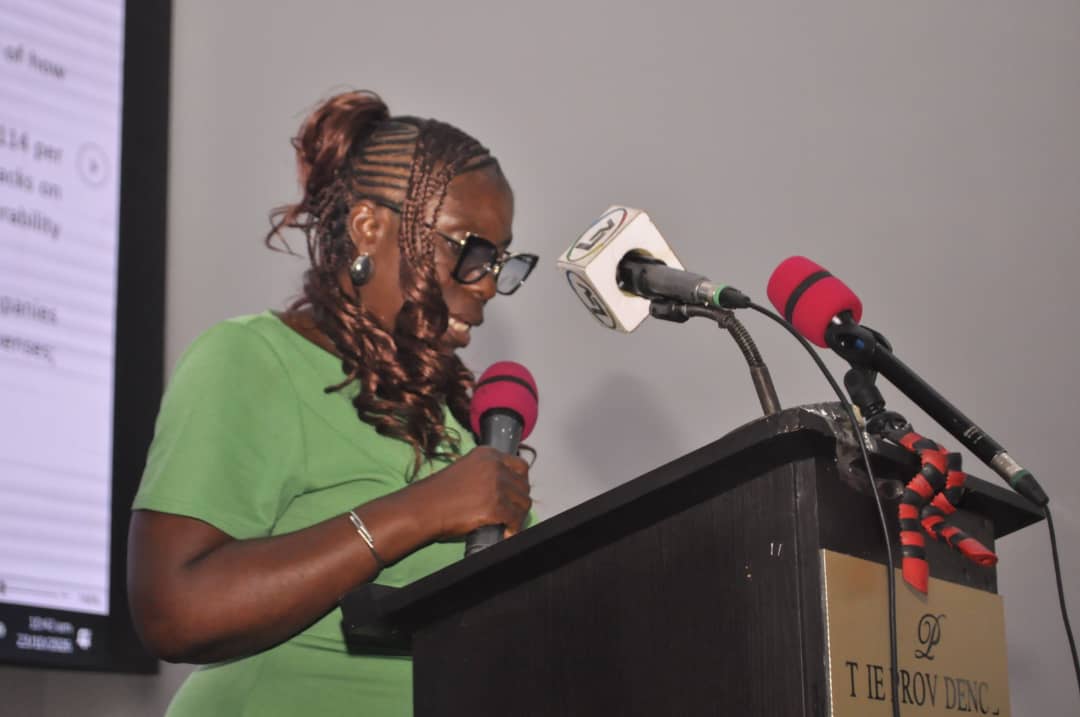
She described their presence as a clear demonstration of a shared belief that transport was too critical
to Nigeria’s economic future to be managed through fragmented policies, isolated investment and uncoordinated decisions.