

Customs, NDLEA Set Up Joint Committee to Tighten Anti-Drug Operations
ZAINAB JUNAID
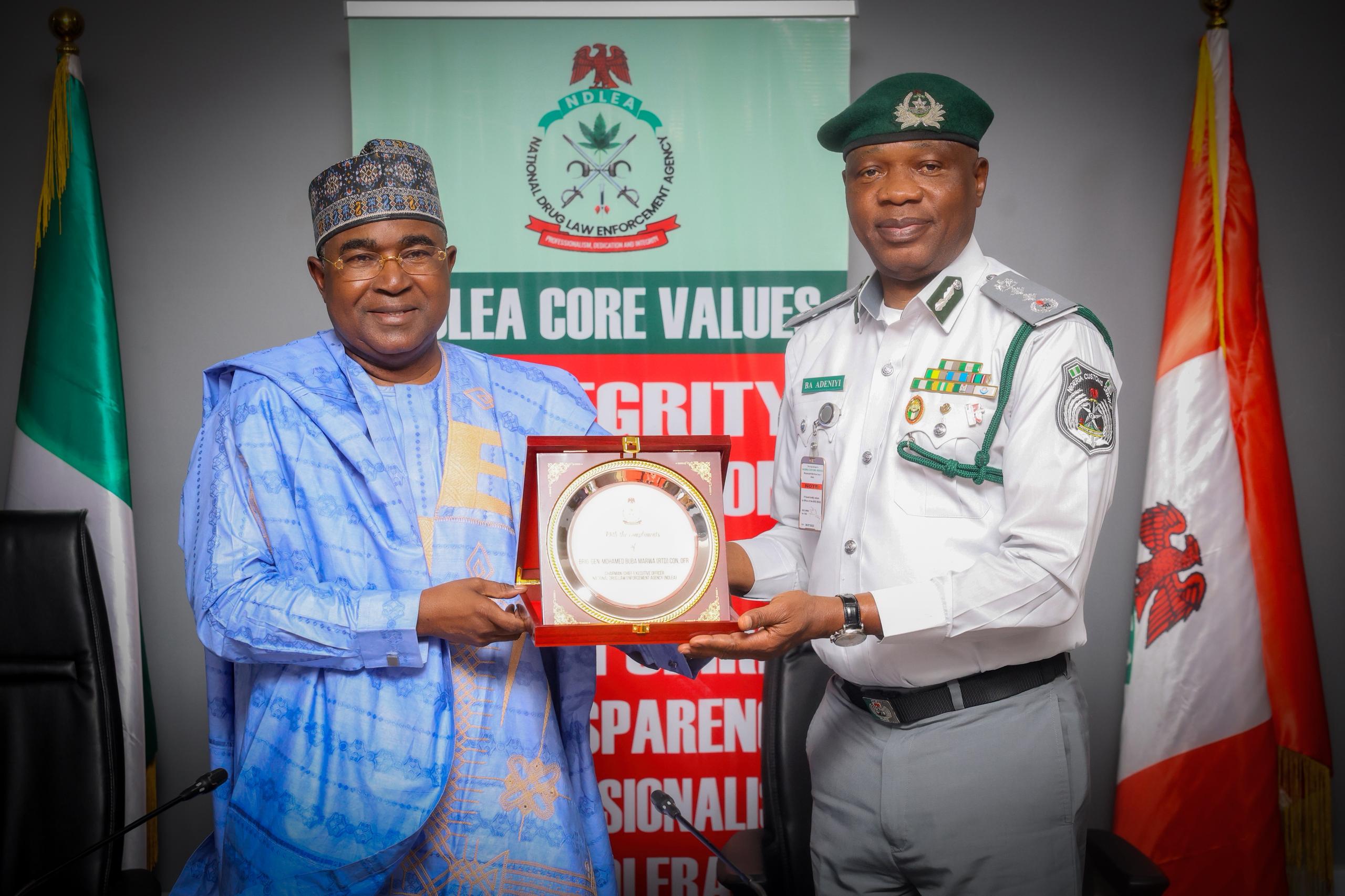
The Nigeria Customs Service (NCS) and the National Drug Law Enforcement Agency (NDLEA) have agreed to strengthen collaboration in the fight against narcotics trafficking and organised crime, following a high-level meeting between Comptroller-General of Customs, Adewale Adeniyi, and NDLEA Chairman/Chief Executive Officer, Brigadier General Mohamed Buba Marwa (rtd).
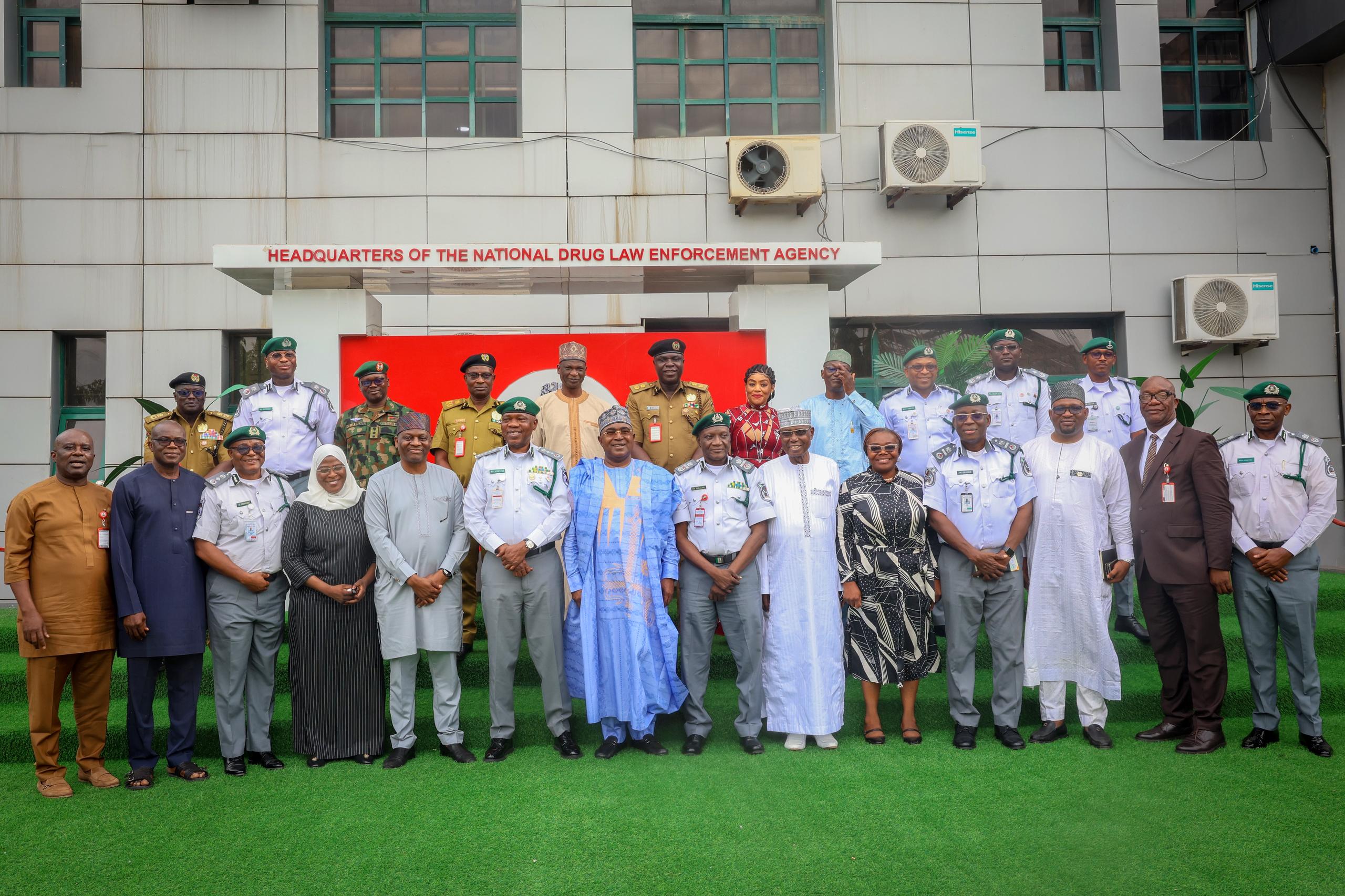
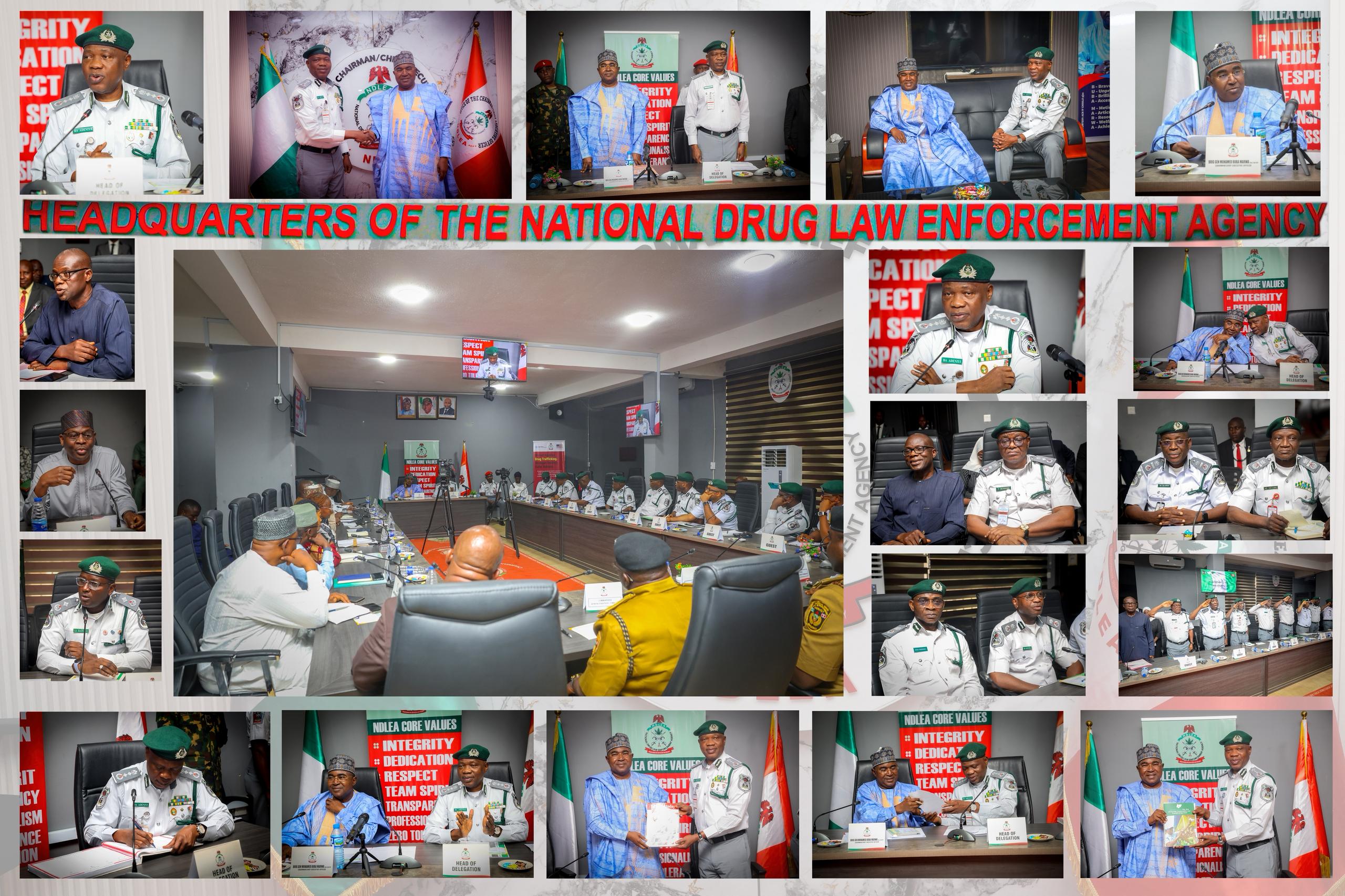
During the meeting held on Monday, 27 April 2026, at the NDLEA Headquarters in Jahi, Abuja, both agencies focused on enhancing operational coordination, improving accountability in seized drug cases, and reinforcing enforcement structures between them.
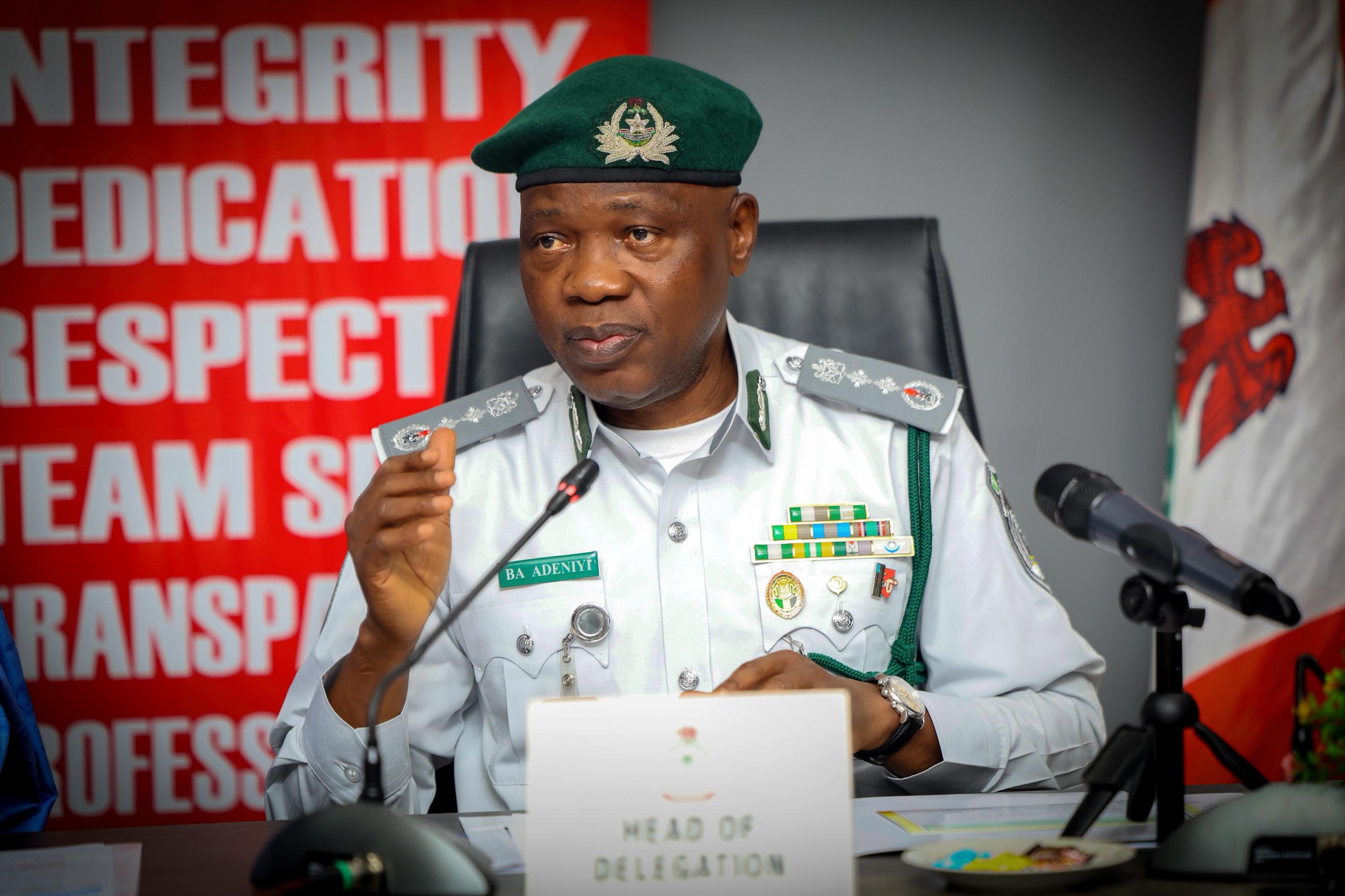
Adeniyi, who led a delegation of senior Customs officials, stressed that the fight against drug trafficking now has global implications, noting that Nigeria’s international credibility depends on effective inter-agency cooperation.
He said, “I came here directly from international engagements in Europe and Asia, and at every table narcotics trafficking remained a major issue. The West African corridor is under serious watch.”
To him, the international agreements rely on strong domestic enforcement systems. According to him, gaps in intelligence follow-through weaken Nigeria’s standing globally.
“The agreements we sign abroad will only carry value when our operational credibility at home supports them,” Adeniyi said. “If intelligence shared with Nigeria is not pursued to interception, prosecution and destruction, our standing is weakened”.
The Customs boss said the Service has continued to record significant drug seizures, particularly through the Apapa Command and other operational units, with regular handovers to the NDLEA.
He, however, called for stronger post-seizure processes, including improved accountability, prosecution tracking, and transparent destruction of narcotics.
Related Posts
“Interdiction is only the first act of enforcement, not the last. Where narcotics are transferred but not promptly destroyed, where prosecution advances without feedback, and where exhibits are separated from originating officers, then the chain of enforcement is incomplete,” he said.
CGC Adeniyi proposed a renewed operational framework, including joint destruction of seized drugs where suspects are not arrested, periodic reporting on case status, coordinated court appearances, and dedicated liaison officers at command level.
“We have not come here to apportion blame. We have come to design the next phase of a partnership that has carried Nigeria this far and must now carry it further,” he added.
Responding, Brigadier Marwa (Rtd) welcomed the concerns raised by Customs CG, describing them as valid and timely, while reaffirming NDLEA’s commitment to transparency, accountability, and institutional collaboration.
He said, “The concerns relating to post-transfer accountability, prosecution outcomes and disposal processes are valid concerns. We must move beyond ceremonial handovers to a structured and mandatory reporting framework under which NDLEA provides formal updates on investigations, prosecutions and final disposal of Customs-originated seizures.”
Marwa also proposed the immediate establishment of a joint committee to review grey areas in the existing Memorandum of Understanding signed by both agencies under previous administrations.
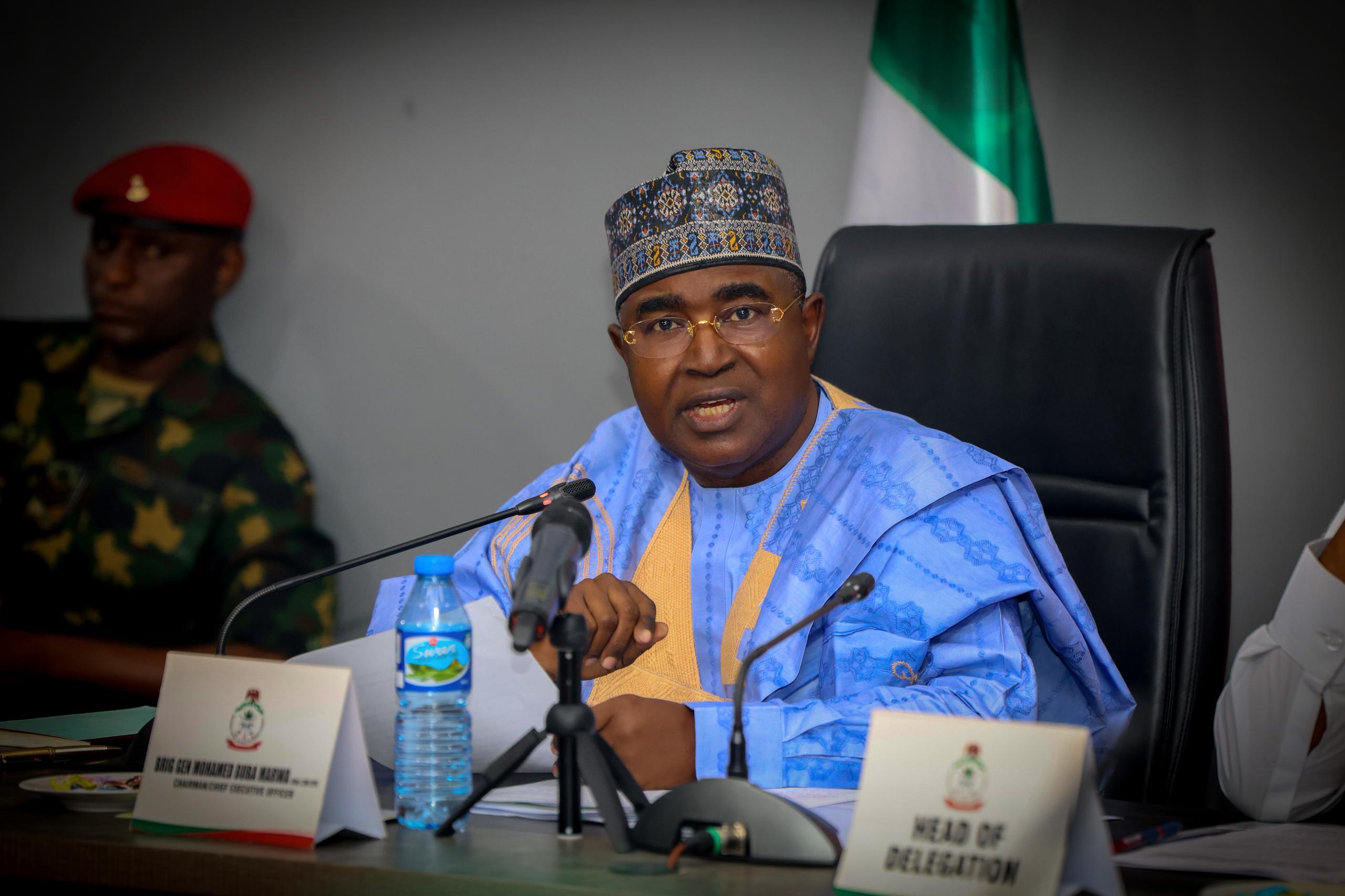
According to him, the committee would recommend clearer procedures and, where necessary, draft a supplementary agreement for approval by both leaderships.
“Today’s meeting is timely. It gives us the opportunity to discuss areas of concern frankly and strengthen our collaboration,” he said.