

CGC Adeniyi Urges Data Integrity, Inclusive Engagement as Customs Hosts Beer Sectoral Group
ZAINAB JUNAID
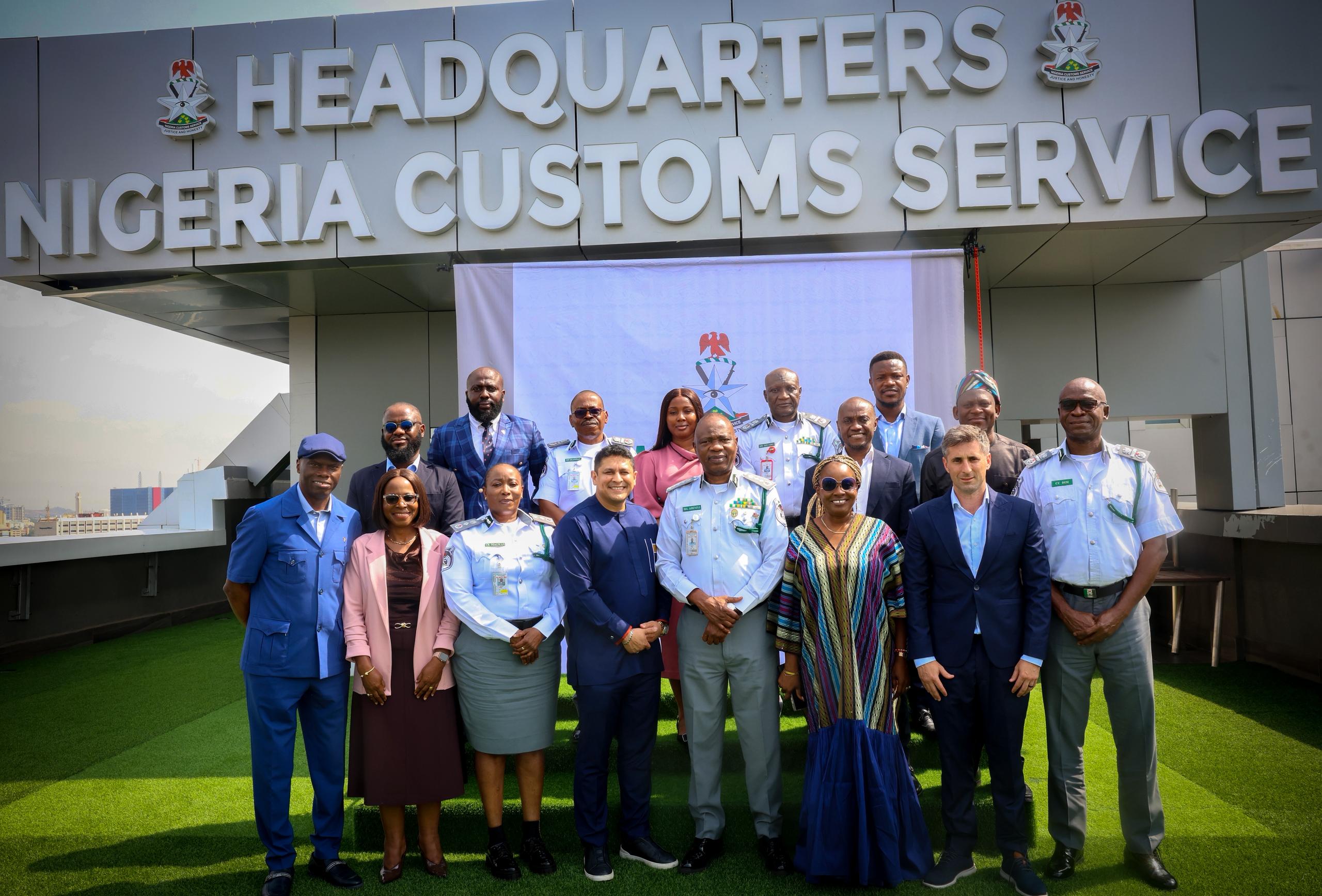
The Comptroller-General of Customs, Adewale Adeniyi, on Monday, 11 May 2026, called for stricter data validation and wider stakeholder engagement in ongoing fiscal and regulatory reforms, as the Nigeria Customs Service (NCS) hosted the leadership of the Beer Sectoral Group at its Headquarters in Maitama, Abuja.
The meeting, attended by senior executives from major brewing companies across the country, focused on tax administration, trade transparency, and the proposed tax stamp policy currently under government consideration.

Addressing the delegation, CGC Adeniyi posited that policy decisions affecting critical sectors of the economy must be anchored on verifiable data and a shared understanding of market realities.
“We need to have a clear understanding of what constitutes illicit trade. Some of these products are legitimately manufactured in Nigeria. In other jurisdictions, customs administrations are already engaging in discussions around how such products find their way across borders and into unauthorised markets,” CGC Adeniyi said.
He stressed that while the government continues to pursue reforms to strengthen revenue assurance and compliance, the credibility of industry figures presented to policymakers must remain beyond question.
“One thing we need to understand more clearly is where some of these estimates came from. When we are making policy decisions of this nature, the credibility and accuracy of data must never be in doubt,” the CGC stated.
Related Posts

On the tax stamp policy specifically, the CGC said the government has reached no final decision and that the consultation window remains open. “As far as I am concerned, consultations are still ongoing. If this initiative is legitimate and beneficial, then we all have a responsibility to ensure that we are heading in the right direction,” he stated.
He urged industry stakeholders to deepen engagement with relevant government institutions to reach an outcome that protects revenue while sustaining industrial growth.
Adeniyi also highlighted the Service’s trade facilitation record, listing the Advance Ruling system and the Authorised Economic Operator programme among reforms the NCS introduced as its own initiative. “We have consistently introduced initiatives aimed at facilitating trade, not because we were under pressure, but because we recognised the need to improve trade facilitation,” he said.

Speaking on behalf of the delegation, Chief Executive and group leader, Guinness Nigeria Plc, Girish Sharma said the industry came to present its concerns about the proposed framework, arguing that the beer sector’s existing compliance structure already provides the oversight a tax stamp regime is designed to deliver.
“We fully understand the purpose and importance of tax stamps, particularly in industries where counterfeiting is a major concern. However, within the beer sector, counterfeiting is minimal,” Sharma said. “From an end-to-end compliance perspective, we believe there is already sufficient transparency and oversight.”
He further drew attention to the sector’s economic footprint- its contributions to employment, tax revenue, and national output, and cautioned that additional regulatory requirements, if not carefully calibrated, could carry unintended economic consequences.