

AfCFTA Boss Commends Nigeria Customs’ Digital Innovation, Seeks Replication Across Africa
. As Senate Hails Agency Over Reforms, Backs Adeniyi’s Technology-Driven Modernisation Agenda
ZAINAB JUNAID
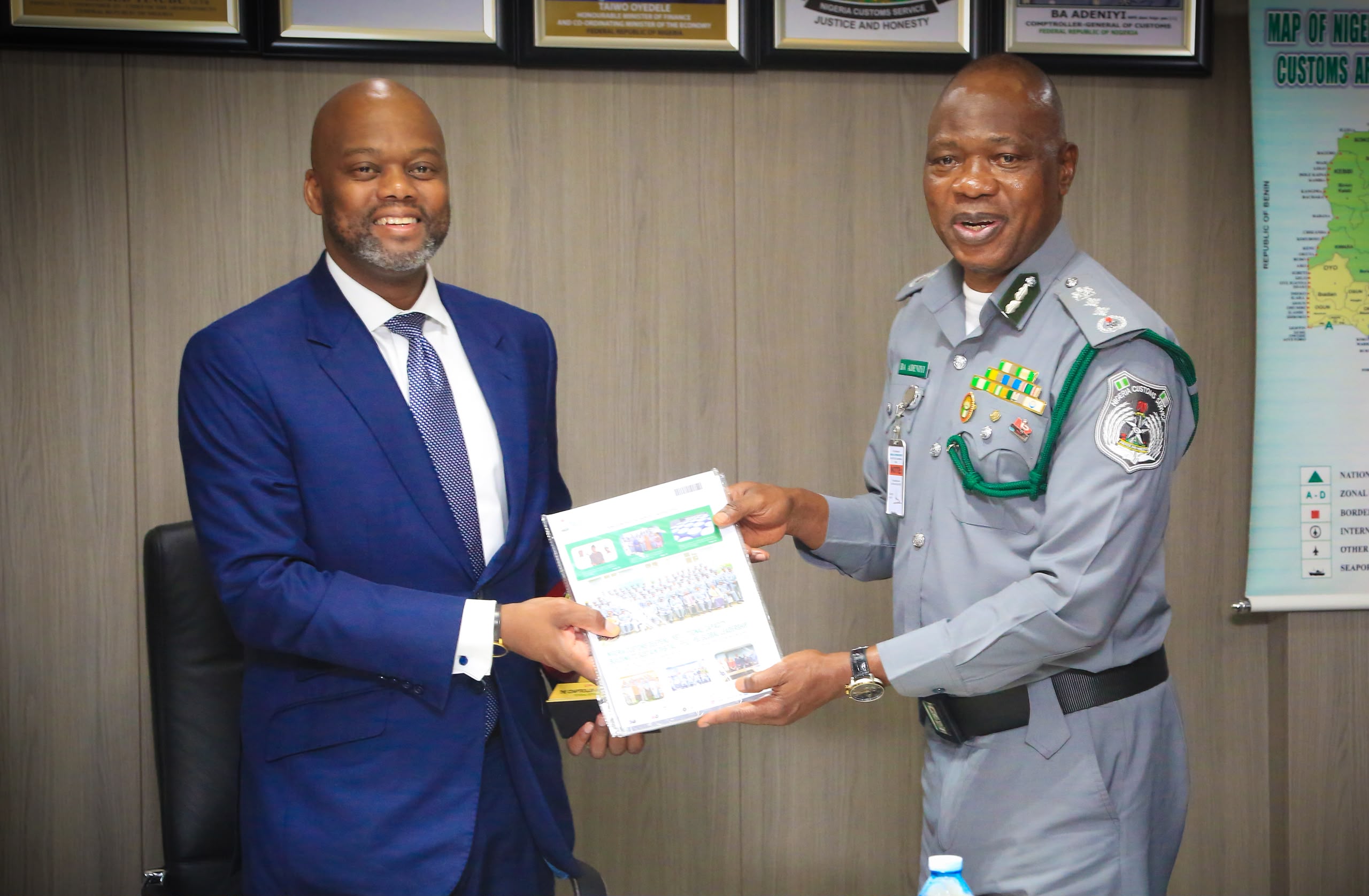
The Secretary-General of the African Continental Free Trade Area (AfCFTA), Wamkele Mene, has commended the Nigeria Customs Service (NCS) for developing cutting-edge indigenous technology capable of transforming customs administration across Africa, expressing the continental body’s readiness to replicate the Service’s digital innovations in other African countries.
Mene made the remarks on Thursday, 6 August 2026, during a working visit to the Nigeria Customs Service Headquarters in Maitama, Abuja, where he described the Service’s technology-driven reforms as a practical African solution to longstanding trade and revenue challenges across the continent.
The AfCFTA Secretary-General noted that many African countries still rely on manual customs processes, a situation he said contributes to revenue leakages, border delays and low intra-African trade. He stressed that Nigeria’s technological advancement offers a sustainable model for strengthening customs administration across the continent.
According to him, “What we have seen today is truly state-of-the-art. I sincerely congratulate the NCS for what it has achieved within such a short period. We would like to work together and learn from what Nigeria has accomplished because this innovation has inherent benefits not only for Nigeria, but for the entire African continent.”
Mene further described the Nigeria Customs Service’s data centre as a strategic continental asset capable of supporting countries that lack the resources to establish similar infrastructure, adding that the facility demonstrates Africa’s growing capacity to develop and manage critical digital infrastructure independently.
Responding, the Comptroller-General of Customs, Adewale Adeniyi, appreciated the AfCFTA Secretary-General for recognising the Service’s modernisation efforts and reaffirmed the Nigeria Customs Service’s commitment to advancing technology that reflects Africa’s unique trade realities and supports the objectives of the continental free trade agreement.
The Comptroller-General said, “We sincerely appreciate your passion for promoting intra-African trade and strengthening the interconnectivity of customs systems across the continent. We are not done yet. We will continue to expand the frontiers of innovation, learning from global best practices while developing solutions that advance the peculiar interests of the African continent.”
He added that the Service remains committed to collaborating with AfCFTA and other African customs administrations to deepen digital integration, facilitate legitimate trade and strengthen regional economic cooperation, noting that the commendation from the continental trade body further reinforces the Service’s resolve to sustain its ongoing modernisation agenda.
.Senate Commends Customs Reforms, Backs Adeniyi’s Technology-Driven Modernisation Agenda
Related Posts
In a related development, the Senate Committee on Customs and Excise also hailed the sweeping reforms introduced by the CGC, describing them as clear evidence that government resources are judiciously invested in repositioning the Nigeria Customs Service (NCS) for greater efficiency.
The praises came during a two-day retreat between the Agency and the Senate Committee on Customs and Excise aimed at strengthening legislative oversight and reviewing the Nigeria Customs Service Act.
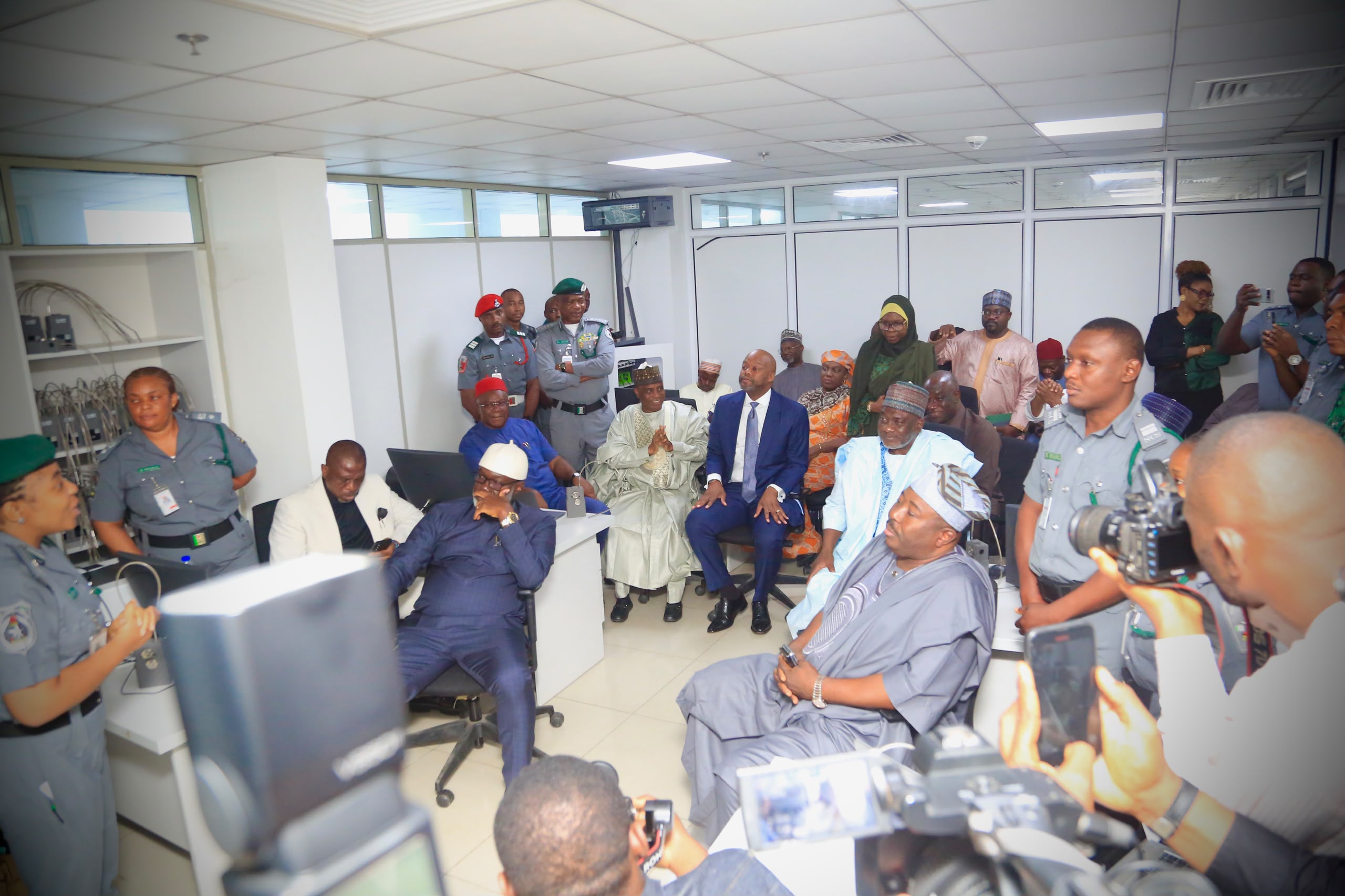
As part of the programme, members of the Committee embarked on sight tour of the Customs House in Maitama, Abuja, to oversee the Service’s ongoing modernisation initiatives, technology-driven operations and institutional reforms.
Speaking after the tour, the Chairman of the Senate Committee on Customs and Excise, Senator Isah Jibrin, said the visit had afforded lawmakers the opportunity to witness the Service’s transformation firsthand.
He said, “We have heard about these reforms from afar, but today we have seen them ourselves. The transformation taking place in the NCS is remarkable, particularly in the deployment of technology, modern infrastructure and operational innovations that are repositioning the Service for greater efficiency.”
Senator Jibrin noted that the retreat had further convinced lawmakers that public funds appropriated for the Service were judiciously utilised.
To him, “When the NCS comes before the National Assembly seeking approval for capital expenditure, we now have a clearer understanding of what those resources are being used for. The reforms we have seen today clearly demonstrate that government funds are being invested responsibly to strengthen Customs operations, improve trade facilitation and enhance national revenue”.
In his response, the Customs Boss attributed the Service’s progress to the deliberate deployment of technology across virtually every aspect of Customs administration.
He acknowledged the importance of the digital innovation stating, “Technology helps us to work faster and more efficiently. We started by deploying digital solutions into personnel administration, postings, staff matters and pensions before extending them to our core operational responsibilities, and we will continue until virtually every aspect of Customs operations is technology-driven”.
CGC Adeniyi informed that the Service had also introduced advanced technological solutions into its enforcement operations through virtual shooting simulators, geospatial intelligence and digital surveillance.
He said, “We are deploying geospatial intelligence to map our patrol routes and position our checkpoints more efficiently across the country. Combined with modern training facilities such as our virtual shooting range, these innovations will significantly strengthen our enforcement capabilities”.
“The law requires us to modernise our operations. Initiatives such as the Authorised Economic Operator Programme, Advance Ruling, Time Release Study, scanner deployment and other technology-driven reforms are all backed by the provisions of the Nigeria Customs Service Act. Our responsibility is to continue implementing them to support the Federal Government reform agenda,” he concluded.