

MARAN Upskills 20 Members, Pledges Sustained Capacity Building
ZAINAB JUNAID
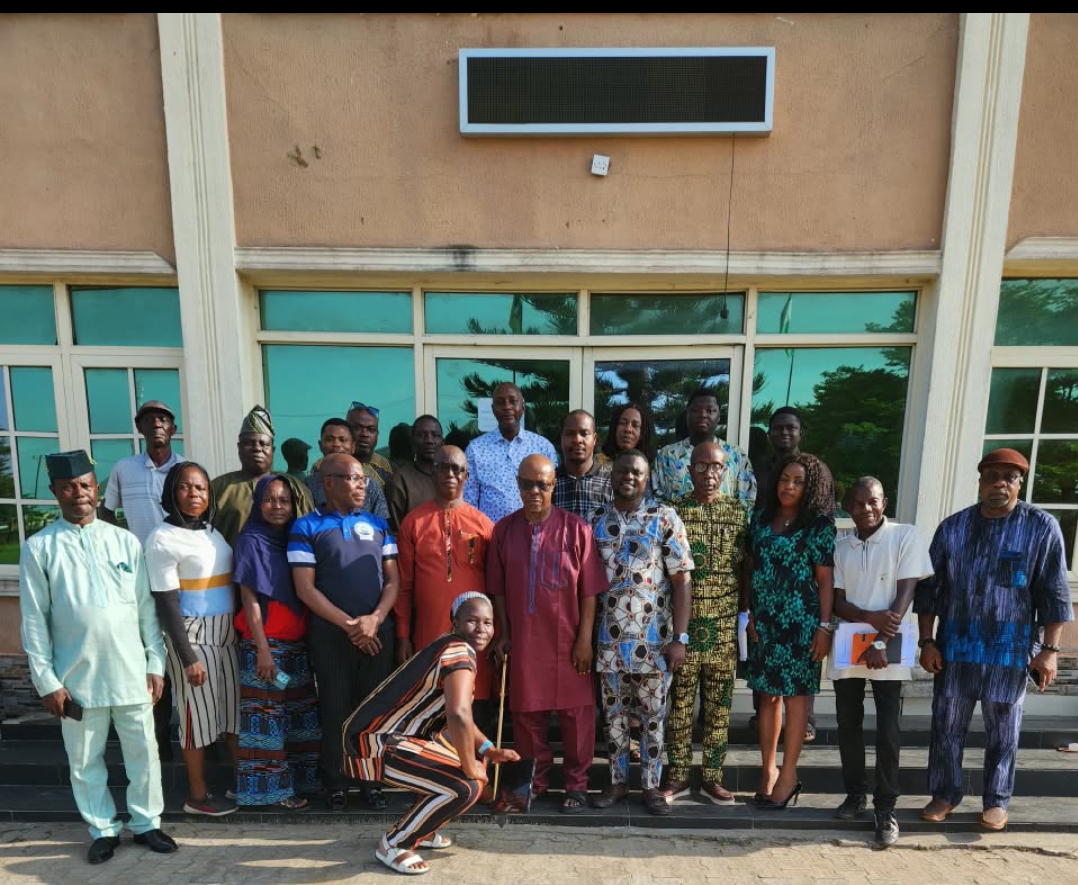
No fewer than 20 members of the Maritime Reporters’ Association of Nigeria (MARAN) benefited from the just concluded professional training programme held at the Chartered Institute of Shipping of Nigeria (CISN), near Magbon Busstop, Lagos, Badagry Expressway.
The graduate induction training programme, which ended on Saturday, 10 October 2026, forms part of MARAN’s ongoing effort to upskill its members on the nitty-gritty of Nigeria’s shipping operations and emerging blue economy.
The training equipped participants with specialised knowledge in cargo clearance procedures and documentation in Nigeria; maritime safety and security; the anatomy of shipping and port management; marine environmental management; benefits and opportunities of marine and blue economy.
Upon successful completion of the programme, participants are expected to obtain a Postgraduate Diploma Certificate in Shipping, paving the way for them to further their career in the maritime sector.
Delivering the first lecture, CISN lecturer, Patrick Ambakederimo asserted that maritime safety and security are key to efficient shipping operations, protection of lives and property and sustainability of the maritime industry.
Mr. Ambakederimo stressed the need for compliance with established safety regulations, regular inspections, adequate crew training and effective emergency response procedures, while discussing the identification and management of risks associated with vessel operations, cargo handling and other maritime activities.
He highlighted the importance of intelligence sharing, effective surveillance, coordinated security operations and compliance with relevant international maritime security standards.
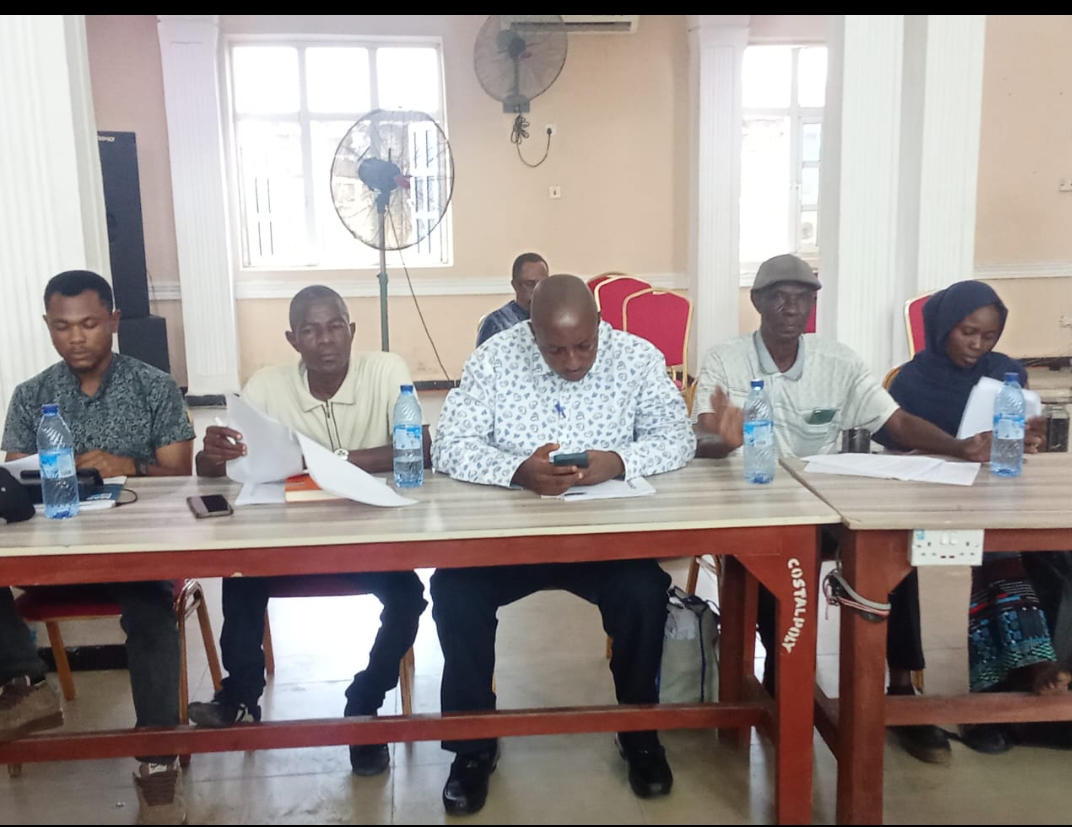
Also, Mr Sunday Duru, another CISN lecturer, who delivered a paper on the integrated approach to marine environment management, examined the need for coordinated efforts to protect marine and coastal environments from pressures associated with shipping activities and other port operations.
Mr. Duru emphasised the importance of collaboration among government agencies, maritime operators, environmental organisations, coastal communities and other stakeholders in addressing environmental challenges.
He walked the participants through marine pollution, oil spills, improper waste and plastic disposal, and the degradation of coastal and marine ecosystems.
Mr Duru introduced the students to the importance of environmental monitoring, pollution prevention, proper waste management, Marine Protected Areas and effective enforcement of environmental regulations.
Other areas covered by the programme included the anatomy of shipping and port management, cargo clearance procedures and documentation, and an overview of the marine and blue economy.
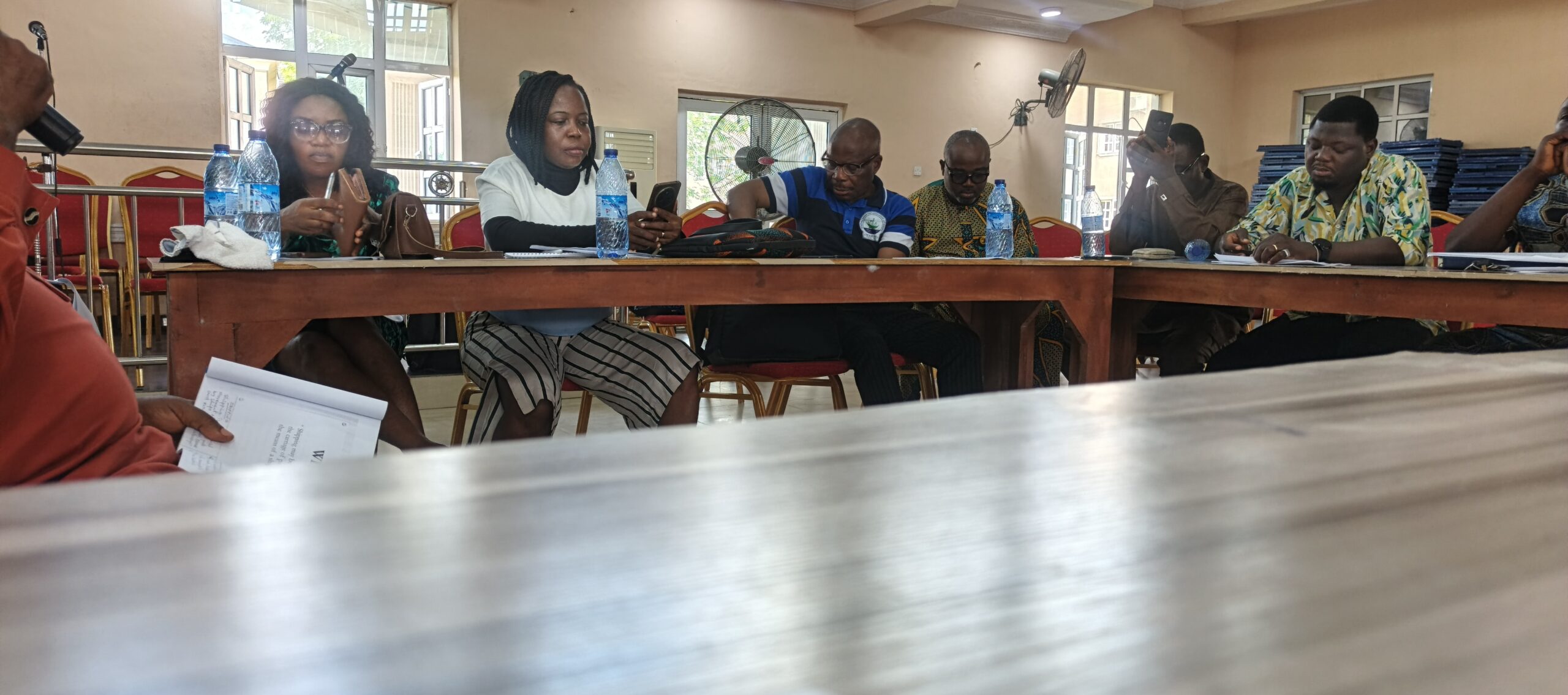
The courses helped broaden participants’ understanding of the commercial and operational dimensions of shipping, as well as economic opportunities in fisheries, coastal tourism and other ocean-related activities.
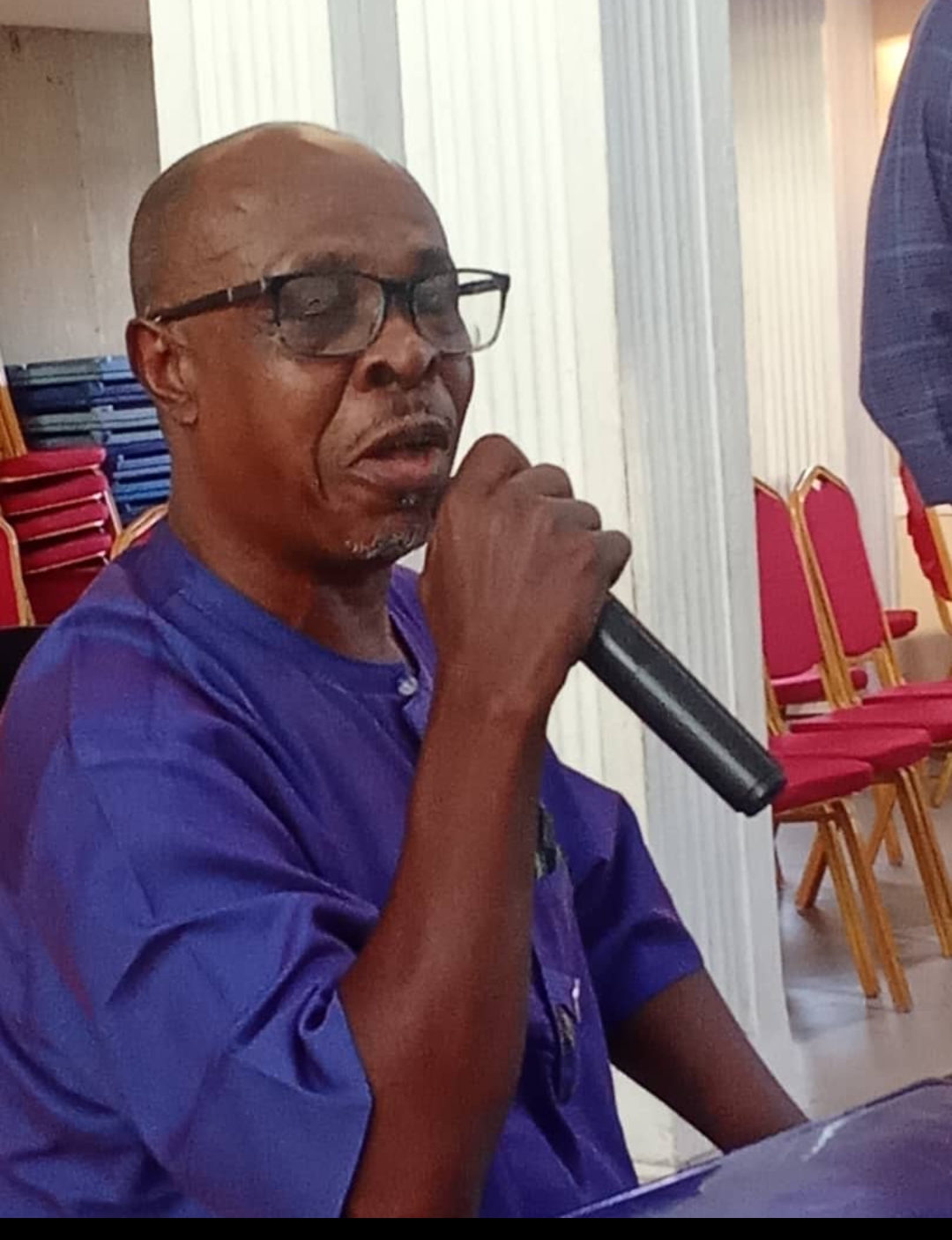
While fielding questions from some participants at the training, Professor Okwuashi Alexander Favour, Proprietor of the Institute, described the programme as an awareness for the maritime reporters.
He stressed that he would have tagged it Coastal Domain Awareness for Maritime Reporters’ Association of Nigeria (MARAN), as it was meant to give Journalists a bird’s eye view of the entirety of the blue economy.
“This programme will expose participants to the blue economy properly because the blue economy is not just about shipping, it is very humongous as it connects maritime to rail and road. The programme is a post graduate programme that enables the holders to advance to a higher degree, and also exposes the Journalists to understand the right terminologies expected to be used. It enables the Journalists to write reports properly and use the right words to educate their audience,” he stated.
Related Posts
Similarly, Chairman of the Training& Education committee for MARAN, Mr Bayo Akomolafe observed that rigorous steps were taken by the association’s executive council before beneficiaries are selected for the programme. “We embarked on the journey of this training issue since June and to God be the glory, it became successful. The president has promised that he will ensure continuous training of members and I’m sure with God on our side, all members will benefit from this capacity building initiative.
He also explained that the essence of the training is to empower MARAN members, particularly the older ones ahead of their retirement. This will give them the opportunity to venture in other maritime professions after retiring from journalism.
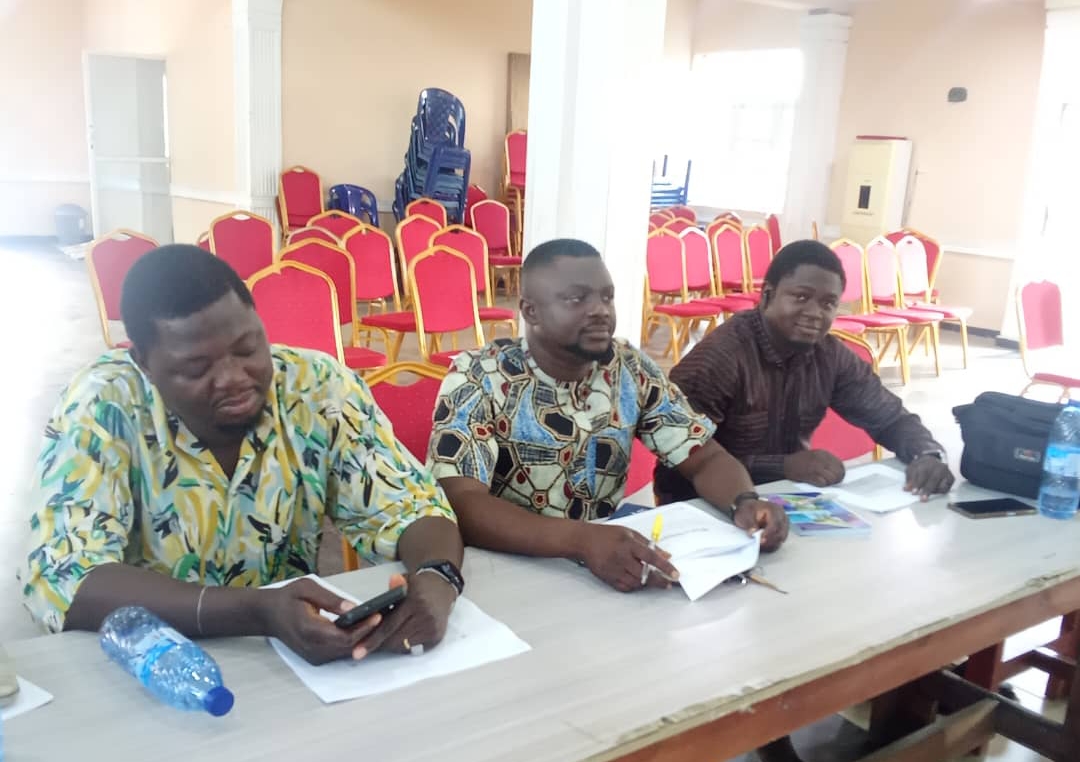
Also speaking, MARAN President, Comrade Oluyinka Onigbinde, said the association was committed to building a corps of maritime journalists with the technical knowledge and professional competence required to report the industry accurately and effectively.
Onigbinde stressed that maritime journalism goes beyond gathering and writing of news, explaining that reporters must understand the policies, regulations, commercial transactions and operational processes that shape the industry.
He said better-informed journalists would be better positioned to analyse developments, scrutinise decisions by industry stakeholders and explain complex maritime issues to the public.
The MARAN president said the association would sustain its capacity-building efforts by pursuing partnerships with maritime institutions, government agencies and private-sector operators to provide members with access to specialised training and professional development opportunities.
He maintained that the association would not stop in exposing members to programmes related to emerging trends in shipping, port operations, maritime security, international trade and the blue economy.
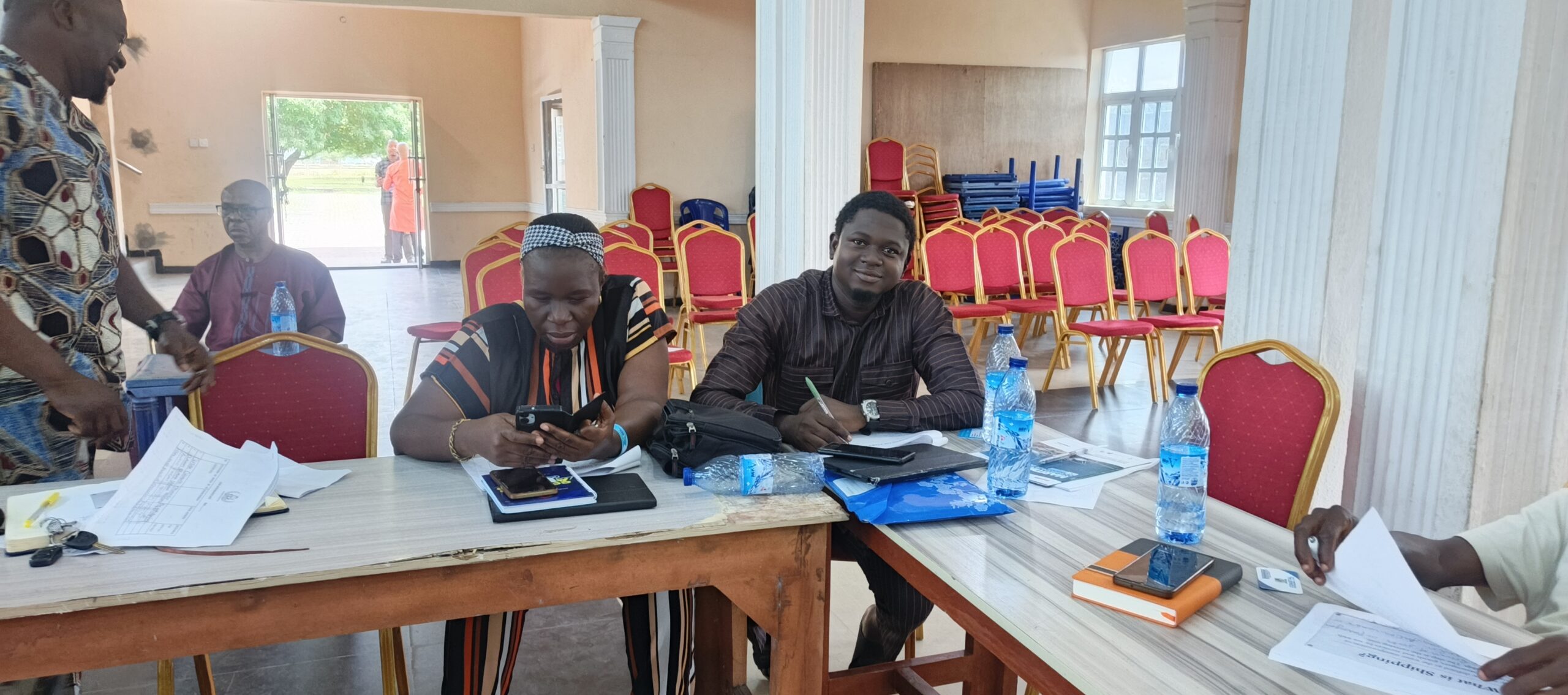
This, he said, will avail MARAN members to remain professionally relevant and equipped in meeting the changing demands of maritime reporting.
Onigbinde stressed that continuous training was essential to strengthening the credibility of maritime journalism and improving public understanding of the sector’s contribution to national economic development.
He expressed optimism that the knowledge acquired through the programme would reflect in the quality of reports produced by participants, particularly in their coverage of port efficiency, shipping operations, maritime safety, environmental sustainability and government policies affecting the industry.
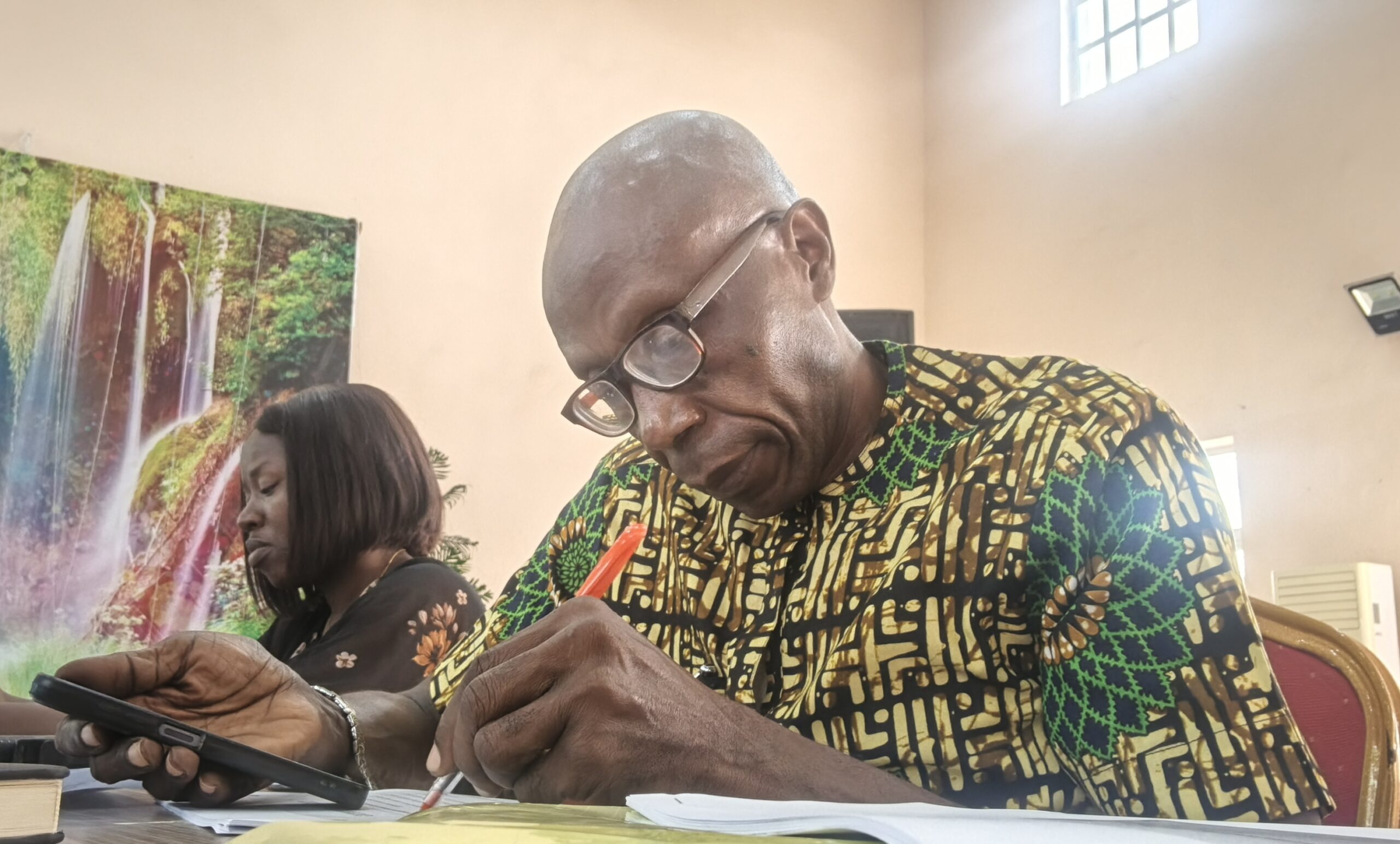
While expressing delight over the initiative, a participant, Mr Foster Obi, said the training came at the right time, as it refreshed his knowledge and exposed gaps in areas he had previously thought he understood.
Mr. Obi described the programme as enlightening and educative, noting that maritime journalism is a specialised beat that requires continuous learning and a proper understanding of industry terminology.
“You always think you know more until you go back to the class and realise you are missing a lot. Knowing our beat is a specialised sector where we make use of terminologies that require us to learn more, Some of the terms we use, we do not have deeper knowledge of it, and we owe it to our readers and audience to disseminate information to them using terms that we understand,” he said.
Obi urged MARAN executive council to make the training a continuous exercise to improve members’ understanding of the stories they report to the public.
“Despite having 16 years of experience on the beat, I learned a lot here. It exposed me to the nitty-gritty of the beat in areas such as vessels, maritime security, the marine environment and others,” Obi added.
The training programme also featured a facility tour of the school’s environment led by a designated CISN staff member who enlightened participants on the functions of some equipment in the environment.
Through the programme, MARAN seek to bridge the knowledge gap between journalism and the technical realities of the marine and blue economy while positioning its members to deliver more accurate, balanced and informed reports on developments within the maritime sector.