

Capacity Building: Lagos NUJ, FMMC Train Journalists on AI for Research, Investigative Reporting
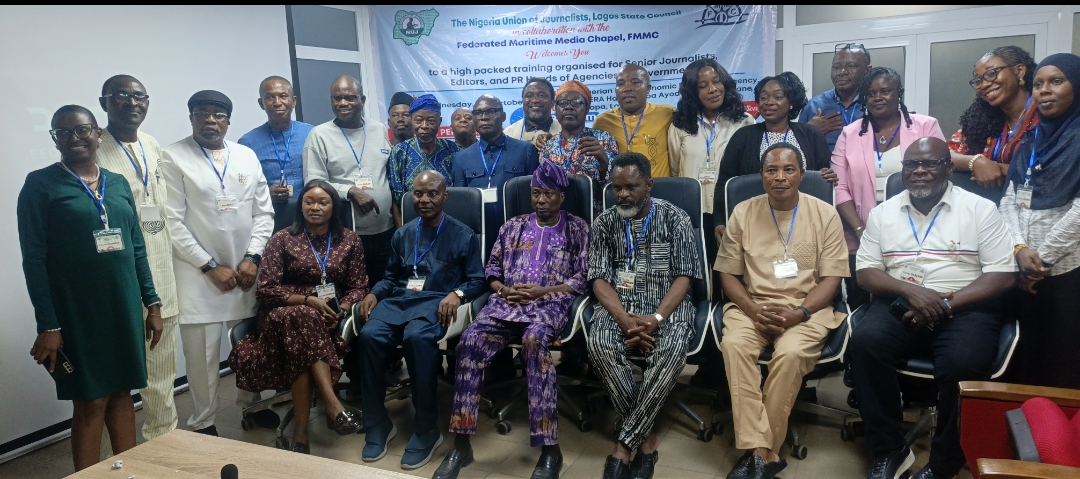
..As Dr Jide Johnson Dissects Public-Interest Journalism
..NAWOJ Lagos Chairperson Advocates Stronger Women’s Voice, Niche Reporting, Collaboration
ZAINAB JUNAID
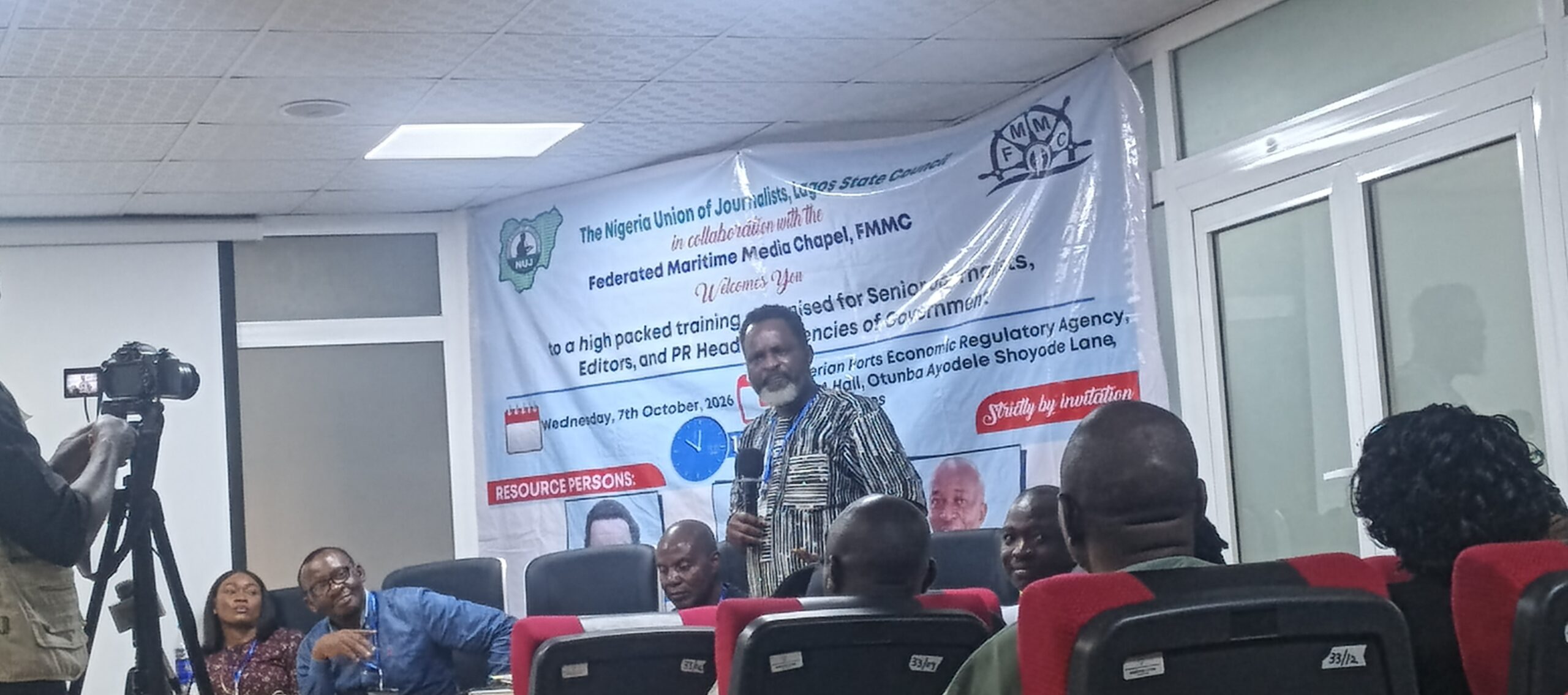
The Nigerian Union of Journalists (NUJ), Lagos State Council, in collaboration with the Federated Maritime Media Chapel (FMMC) has trained journalists on the economic importance of Artificial Intelligence (AI), drone usage, investigative and objective reporting.
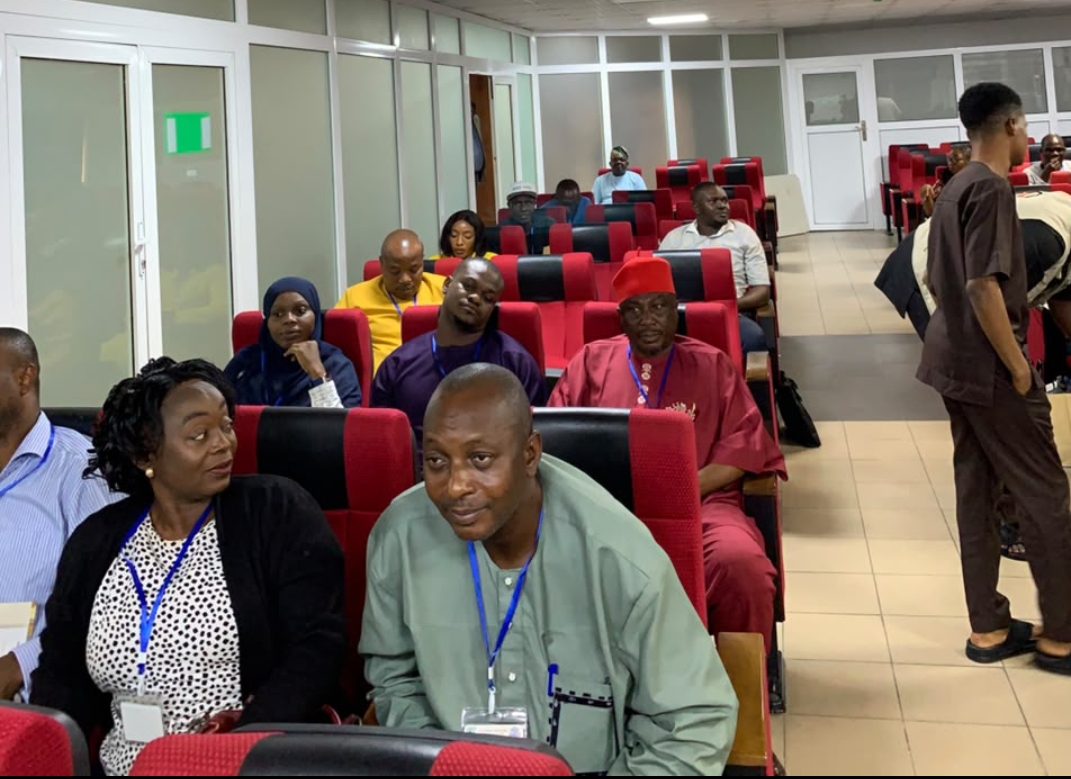
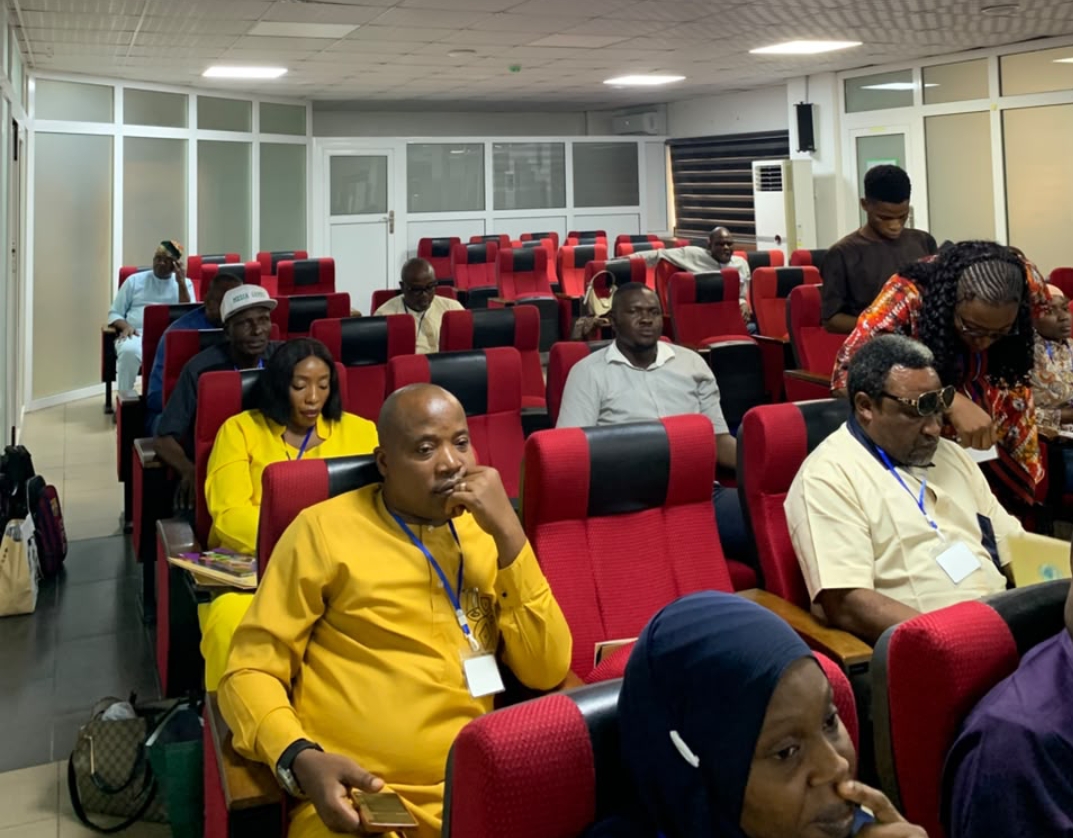
The capacity building programme which was held on Wednesday, 7 October 2026, at the Nigerian Ports Economic Regulatory Agency (NPERA) Hall, Apapa, Lagos, brought together senior journalists, editors, senior lecturers, the Head of Public Relations Department of NPERA and PRO of the TinCan Island Port Command of the Nigeria Customs Service (NCS).
It was organised to equip journalists, particularly maritime reporters with necessary skills to adapt to the evolving media landscape while upholding fairness, accuracy and professional standards.
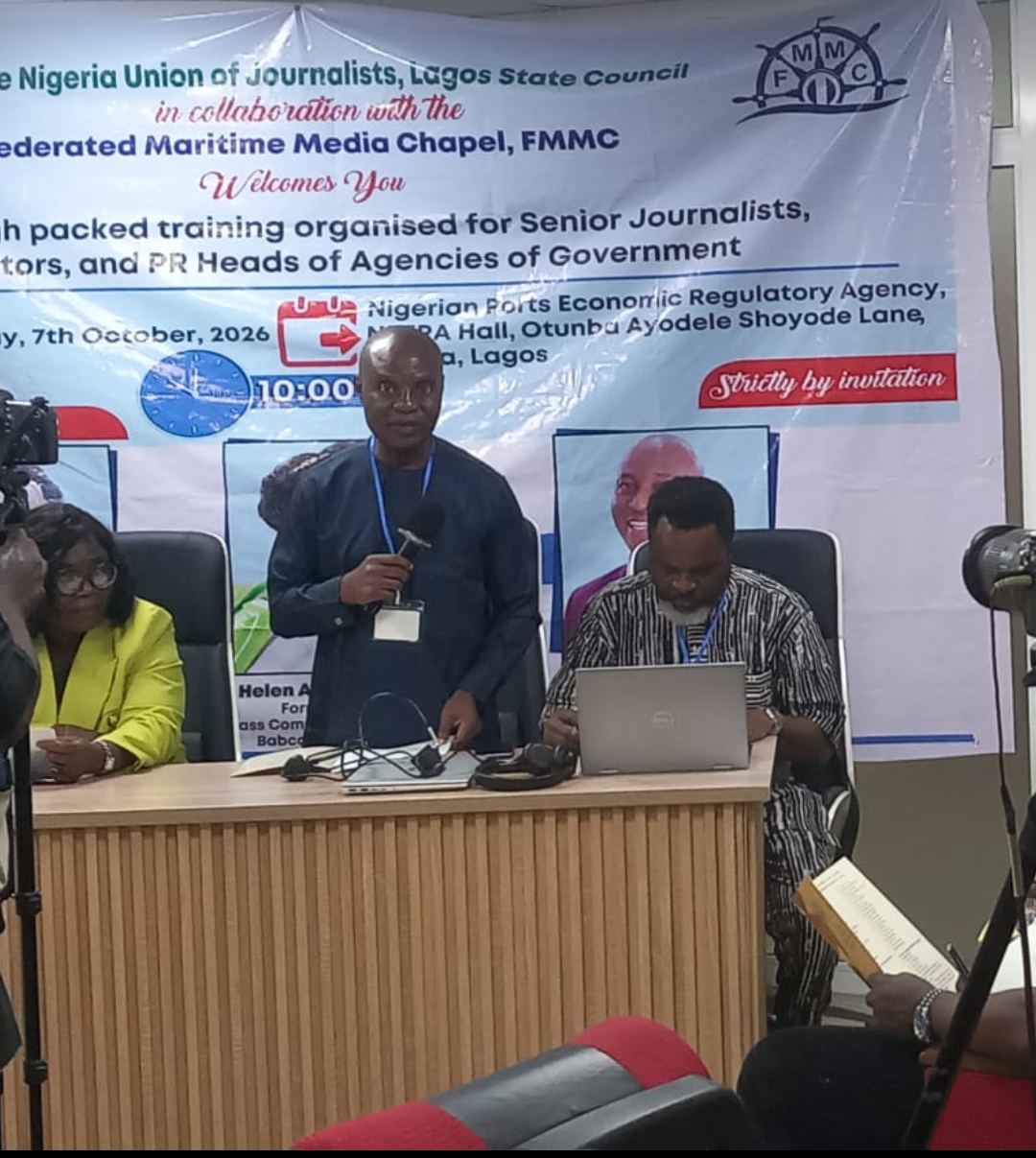
Declaring the workshop open, the Chairman of NUJ Lagos State Council, Comrade Leye Ajayi, expressed appreciation to the Nigerian Ports Economic Regulatory Agency (NPERA) and Nigerian Ports Authority (NPA) for providing the platform for the engagement and supporting the continuous promotion of digital media and public communication.
He noted that the media landscape is evolving rapidly and is driven by technology, changing social media trends and the growing demand for timely and credible information.
According to him, the changing environment requires senior journalists and editors to constantly update their knowledge, sharpen their skills and deepen their understanding of emerging issues.
Comrade Ajayi stressed the importance of effective communication by government agencies, particularly in communicating policies, programmes and achievements to the public through the media.
He described the training as an initiative that came at an important time, noting that journalists and communication professionals occupy strategic positions in society and that their responsibilities go beyond simply reporting events.
To him, journalists have a duty to provide accurate, balanced and credible information to enable members of the public to make informed decisions.
Comrade Ajayi also stressed the need for stronger partnerships among journalists, editors and communication professionals, especially at a time when information spreads rapidly across digital platforms.
“We must continue to uphold the principles of accuracy, fairness and accountability in all our engagements,” he said, describing the engagement as an opportunity to bridge knowledge gaps, share experiences and build a better understanding of communication practices.
The NUJ Chairman expressed confidence that the knowledge and practical insights to be gained from the sessions would strengthen the capacity of participants and contribute to more effective communication.
Similarly, Dr. Ovie Edomie, Chairman FMMC, commended all participants for their presence, stressing the need for continuous learning, irrespective of the number of years spent in the profession.
In his welcome address, he said, “Nobody has a monopoly of knowledge, everyday, we learn, including professors, with the resource persons present, there is something for someone to learn here”.
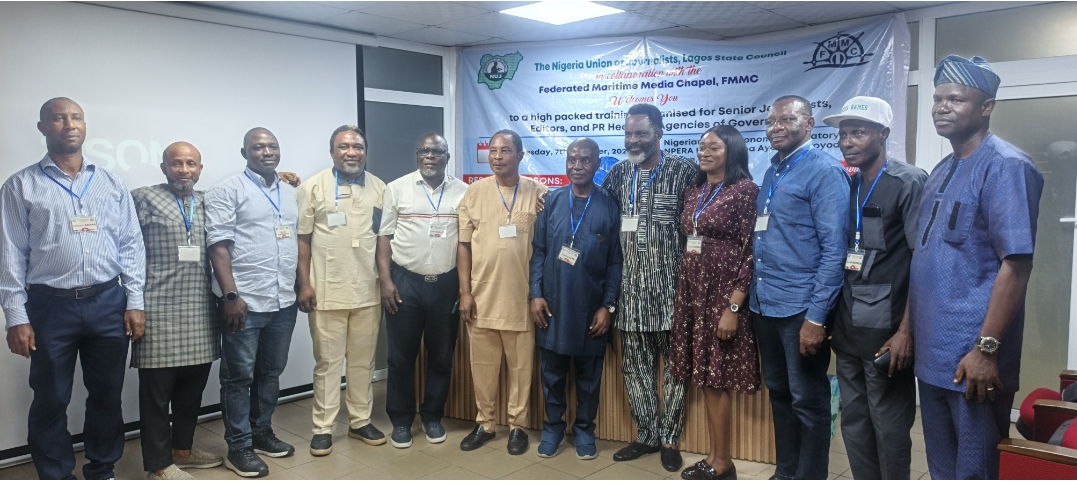
During the session, participants were exposed to ways Artificial Intelligence can support journalistic work, deployment of drones in research and investigative reporting; modern communication skills and public interest reporting.
Mr Ademola Irinyemi, one of the resource persons, walked the participants through the economic importance of Artificial Intelligence and how drones are deployed for research and reporting.
He said AI invention has enhanced productivity and contributed to growth.
Related Posts
Irinyemi, who is a senior lecturer at Redeemer’s University, stated that tool is not a menace, but a blessing to the media industry, as it has helped reduce time, improve accuracy and increase efficiency
He, however, warned that originality remains essential for a reporter when using AI.
“AI has aided digital reporting, it can be used as a tool,” he said, emphasising that journalists must retain their originality and professional judgement with the use of AI.
The lecturer observed that the quality of content is always determined by the quality of what journalists put into the technology, adding that AI could assist with research, sorting records, summarising documents and other tasks but cannot replace the users originality. “You are too original to concede your initiative to AI. AI cannot replace your originality, it is a machine tool that is helping us to add value to what we do and also assist journalists to meet deadlines”.
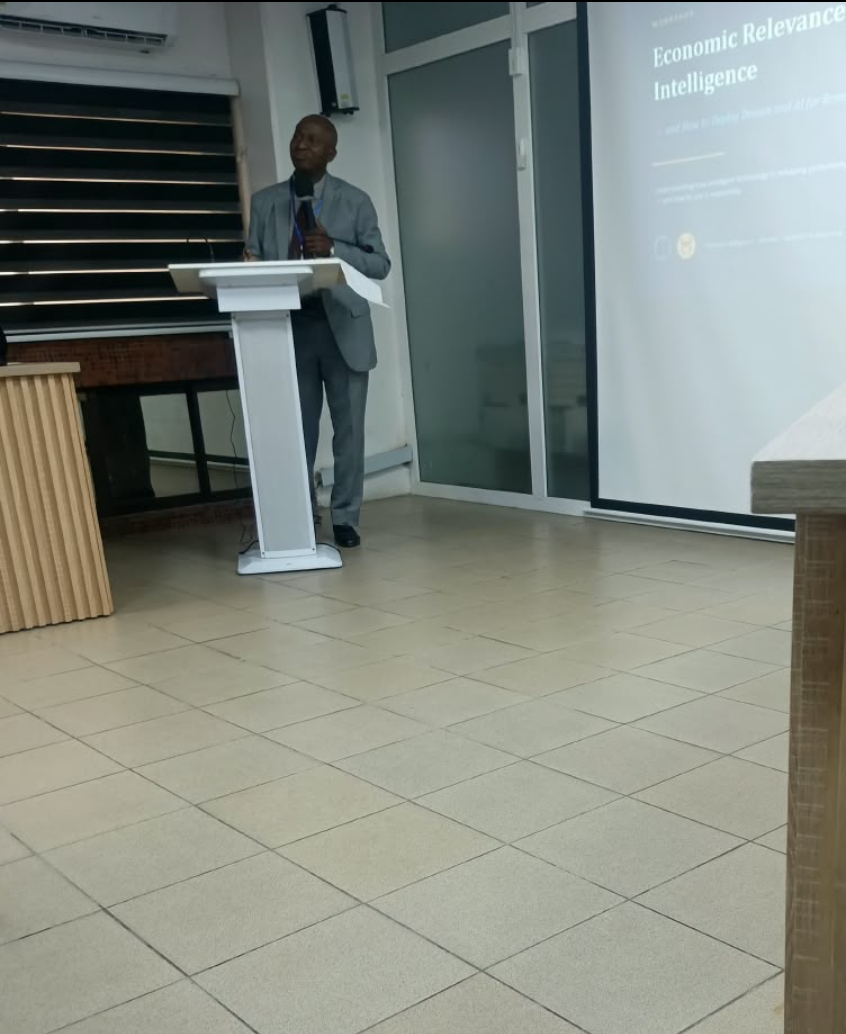
On the economic value of the technology, he said it enhances productivity growth, adding that it improves the level of advancement, impact and results of people’s work.
Irinyemi described drones as “critical tools in research,” particularly for journalists and communication professionals who need to carry out research outside their offices.
He added that drones provide visual and spatial data that researchers could not easily gather on foot, stating they could assist in environmental research, monitoring flooding, erosion, deforestation and waste disposal.
 Dr Jide Johnson, a facilitator and also a lecturer at the Nigerian Institute of Journalism (NIJ), described journalism as a point where community meet. “It is the village square of premodern society, a public sphere of modern society and a virtual space of post modern society”.
In his paper titled “Journalism and Public Interest. Objective Reporting of Economic and Social Development Issues” Dr Johnson posited that public-interest journalism is not the same as publishing whatever attracts attention but requires a defensible connection to public welfare.
Citing the Nigerian Journalists’ Code of Ethics and section 22 of the 99 constitution, he said, the ethics placed public interest, truth, accuracy, fairness and editorial independence at the centre of professional practice.
Dr Jide noted that public-interest role is at strongest when journalism expands informed citizenship rather than partisan mobilisation, “Public-interest journalism should strengthen, not weaken social cohesion, human rights and democratic accountability,” he said.
The Professor identified political pressure, insecurity , low resources, commercial influence, misinformation, digital incentives among challenges causing set back to objective public-interest journalism.
“The central test is not whether a story is positive or negative toward government; it is whether the journalism is truthful, fair, independently verified and relevant to the public good,” he added.
He, however, called for a journalism independent enough to scrutinise power, rigorous enough to earn trust, and socially relevant enough to improve citizens’ capacity to make informed decisions.
“The journalists onerous task therefore, is to help government agencies and business enterprise get their messages on growth and development across to all stakeholders in order to fast track development.
“Economic growth is intrinsically related to journalism performance of its social responsibility function-promoting and protecting public interest,” he stated.
The training further featured a panel session, questions and answers segment which provided participants the opportunity to examine the challenges presented by AI, particularly the risks of misinformation, fabricated content and over reliance on AI tools.
Addressing women participants at the workshop, the Chairperson of National Women of Journalists (NAWOJ) Lagos State Chapter, Jumoke Johnson urged female journalists to make use of available opportunities, build alliances and collaborate with colleagues.
She called for greater efforts to project women in the industry, especially using them as resource persons and sources in major news reports. “We have to start to project women. We have to start to give women a voice. We have to start to use women as our resource persons, as our witnesses, as our assets,” the Chairperson said.
She also tasked the female journalists with carving a niche and specialising in areas of interest, to distinguish themselves in the crowded media space.
“In a populated market, the only way you can sell is to distinguish yourself,” she noted, adding that collaboration could also help journalists pursue stories that might be difficult to undertake individually. “There are stories you don’t have to do alone,” she stressed.