

Nigeria-Benin: CGC Adeniyi Says Interconnectivity is Key to Functional Joint Border Post
The objective is to achieve a model technology-enabled joint border post, build on customs interconnectivity, joint risk management, coordinated enforcement, secure infrastructure, analysed procedures, and accountable joint governance.
..Commissions Sport Facility, Mosque at Seme
..As Customs Move to Address Women Traders’ Need Along the Border
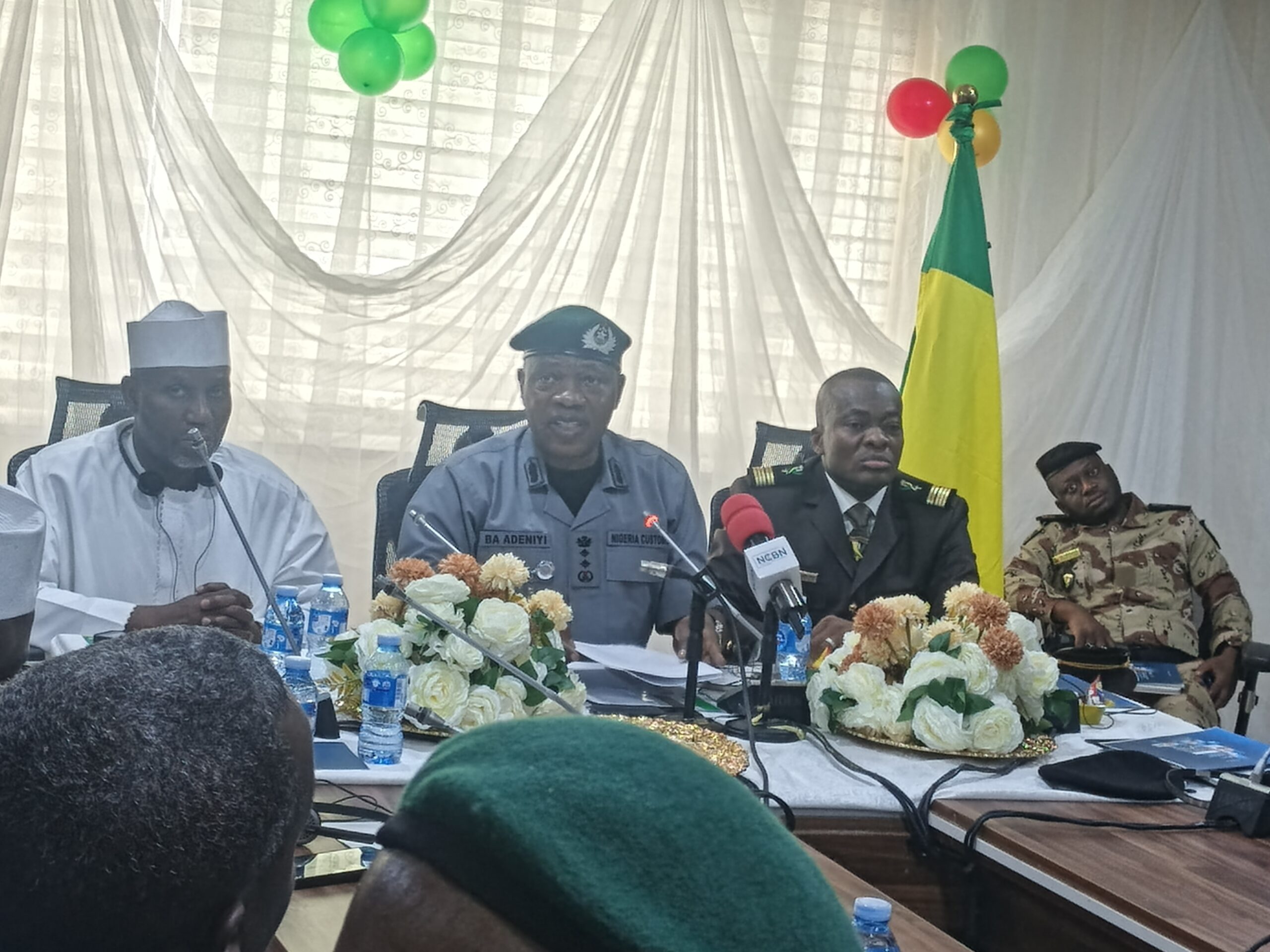
The Comptroller-General of Customs(CGC) Adewale Adeniyi, has said that the joint border post between Nigeria and Benin Republic cannot function as a true joint facility without interconnectivity between the two Customs administrations.
CGC Adeniyi made this known during a joint assessment visit with Benin Republic Director-General of Customs, Raouf Malehossou Aboudou, to the Seme-Krake border post on Friday, 11 September 2026, stressing that the two administrations currently operate under one roof with no common system for real-time exchange of customs information.
He explained that despite the completion of the physical infrastructure for the border post eight years ago, the facility is yet to function as a true joint border post due to the absence of Interconnectivity between the two customs administrations.
To him, “the buildings were delivered, the lanes, parking areas, offices, a weighbridge and scanners, what was never delivered was the thing that makes a joint border post a joint one.
“Two administrations presently work under one roof, but they do not work with one system. There is still no seamless real-time exchange of declarations, manifest transit information, risk profiles, and enforcement alert between us up till now,” he said, “In very clear terms, at the heart of my demand is the establishment that without interconnectivity, this is not a joint border post. It is a border post sharing a car park at best”.
Against this backdrop, Adeniyi explained that the NCS had come with an offer to close the gaps between the systems of the two customs administrations by establishing real-time interconnectivity at the Seme-Krake Joint Border Post.
He said the initiative will allow both countries to seamlessly exchange customs declarations, transit information, risk profiles and enforcement alerts in real time.
To him, work is already underway to connect the two administrations through a common data exchange arrangement, building on their regional transit experience.
The arrangement, he said would allow a declaration lodged on one side to be visible on the other side in real time, enable transit to be tracked from origin to destination and ensure that a risk profile or an enforcement alert raised by one administration reached the other while it remained useful.
Beyond the digital interconnectivity, the CGC also informed that the joint assessments have identified areas that requires attention, which include restoration of scanning capability, strengthening access control, surveillance, lighting, and the development of coordinated patrols and rapid response.
“We need analysed, bilingual scanning and tracing procedures, which will cover cargo, passengers, inspection, transit, and incident escalation,” he said.
Adeniyi advocated joint risk management so that resources can concentrate on high-risk consignments rather than applying same level of scrutiny to all cargoes.
He also called for a properly empowered joint management structure for shared infrastructure and a preventive maintenance framework with named responsibilities and funding attached.
“And we also need dedicated lanes, holding areas, signages, and a regulated market space,” he said, “What we seek to achieve here is that Seme-Krake be treated as a strategic modernisation programme and not as a series of isolated repairs”.
The objective is to achieve a model technology-enabled joint border post, build on customs interconnectivity, joint risk management, coordinated enforcement, secure infrastructure, analysed procedures, and accountable joint governance
Adeniyi said if the model succeeded, it could provide a template for other borders crossing within the ECOWAS community and across Africa.
Similarly, the Comptroller-General highlighted the role of women in informal cross-border trade, noting they accounted for more than 70 per cent of informal cross-border traders across Africa.
He said women operating along the corridor had reportedly faced challenges including harassment, extortion and delays, which could push traders away from formal channels.
Related Posts
“When traders are forced away from formal channels, they lose the protection of the law while the state loses potential revenue, on this note, it therefore gives me particular satisfaction that the NCS is launching a dedicated facility to cater for the special needs of women traders on this corridor,” he said.
The facility, he explained, seek to bring women into the formal trading system by simplifying procedures for small consignments, providing clear information in languages traders could understand, creating accessible points of contact and providing a channel for complaints against improper treatment.
He said the initiative intended to make formal trading more accessible to women and improve their experience at the border.
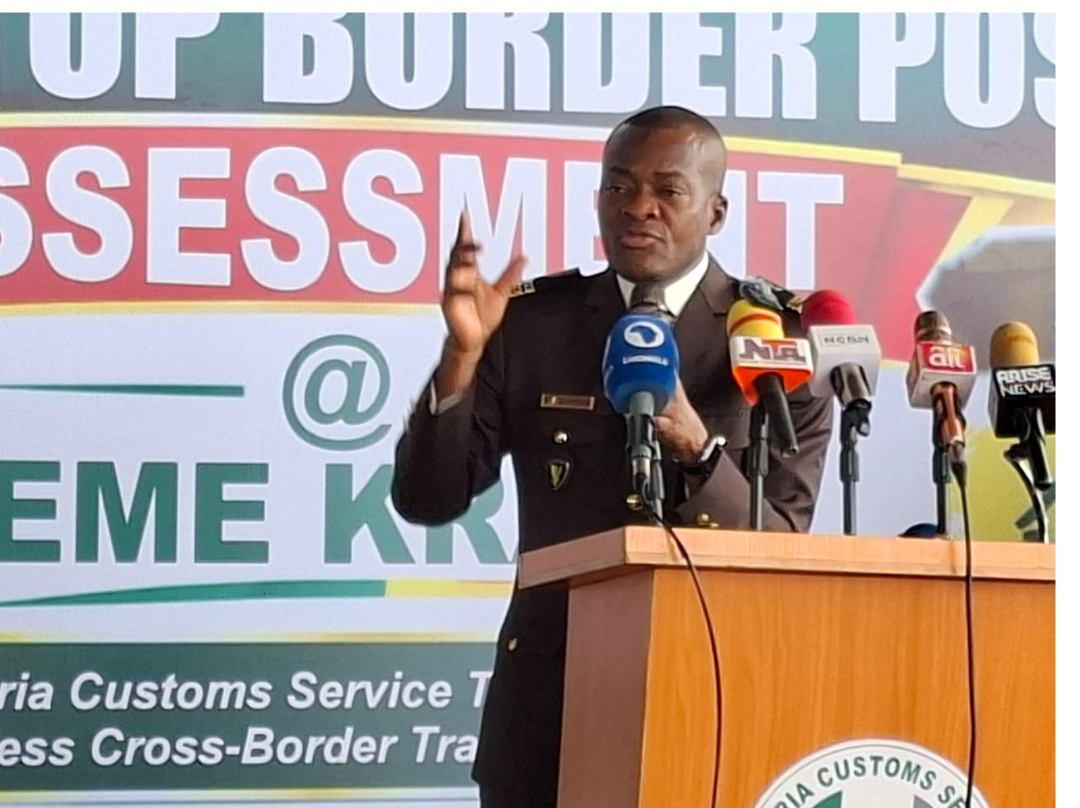
On his part, the Benin Customs Director General, Raouf Malehossou Aboudou, commended Nigeria for the initiative to integrate trade within the Sub-region for economic growth.
In his words, “The bridge we see today provides a vital physical link between Abidjan and Lagos and beyond. Our historic responsibility now is to ensure that the movement of people and goods across this corridor is as efficient and seamless as the infrastructure allows”.
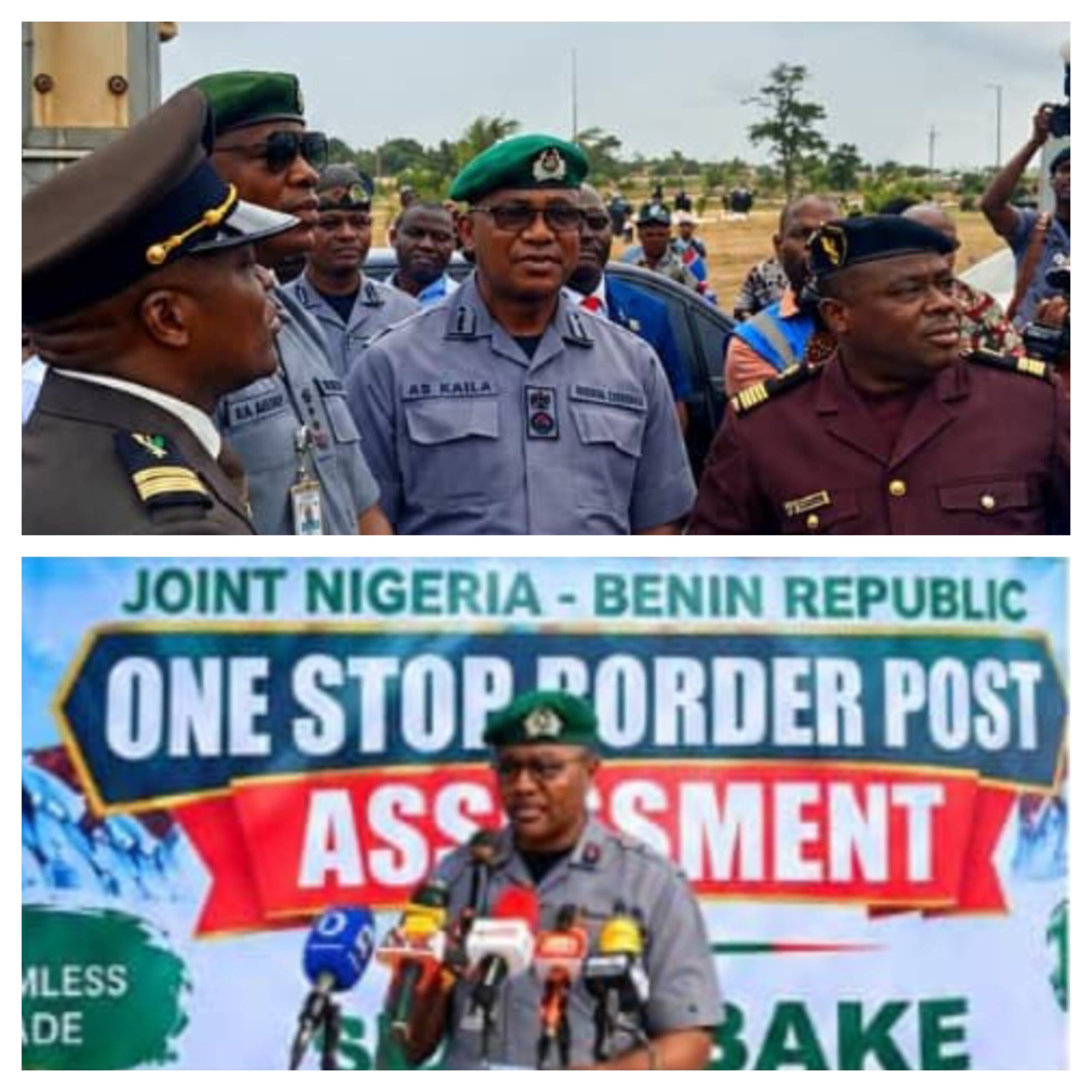
Also, the Customs Area Controller of Seme Command, Comptroller Abdullahi Kaila commended the leadership of the two customs administrations for advancing the integration and modernisation initiative, describing the collaboration as a benchmark for regional integration across Africa.
He said the Seme-Krake Joint Border Post was fully prepared to serve as the launchpad for the transformative system.
According to him, the Customs International Exchange System would serve as the digital backbone of the agenda by enabling export customs declarations lodged in one country to be transmitted instantly to the customs administration of the other country.
The system, he said would allow both customs administrations to communicate in real time, ensuring that the classification and relevant data were harmonised before cargo arrived at the joint border crossing.
“This reduces suspicion with data-driven trust,” Comptroller Kaila said.
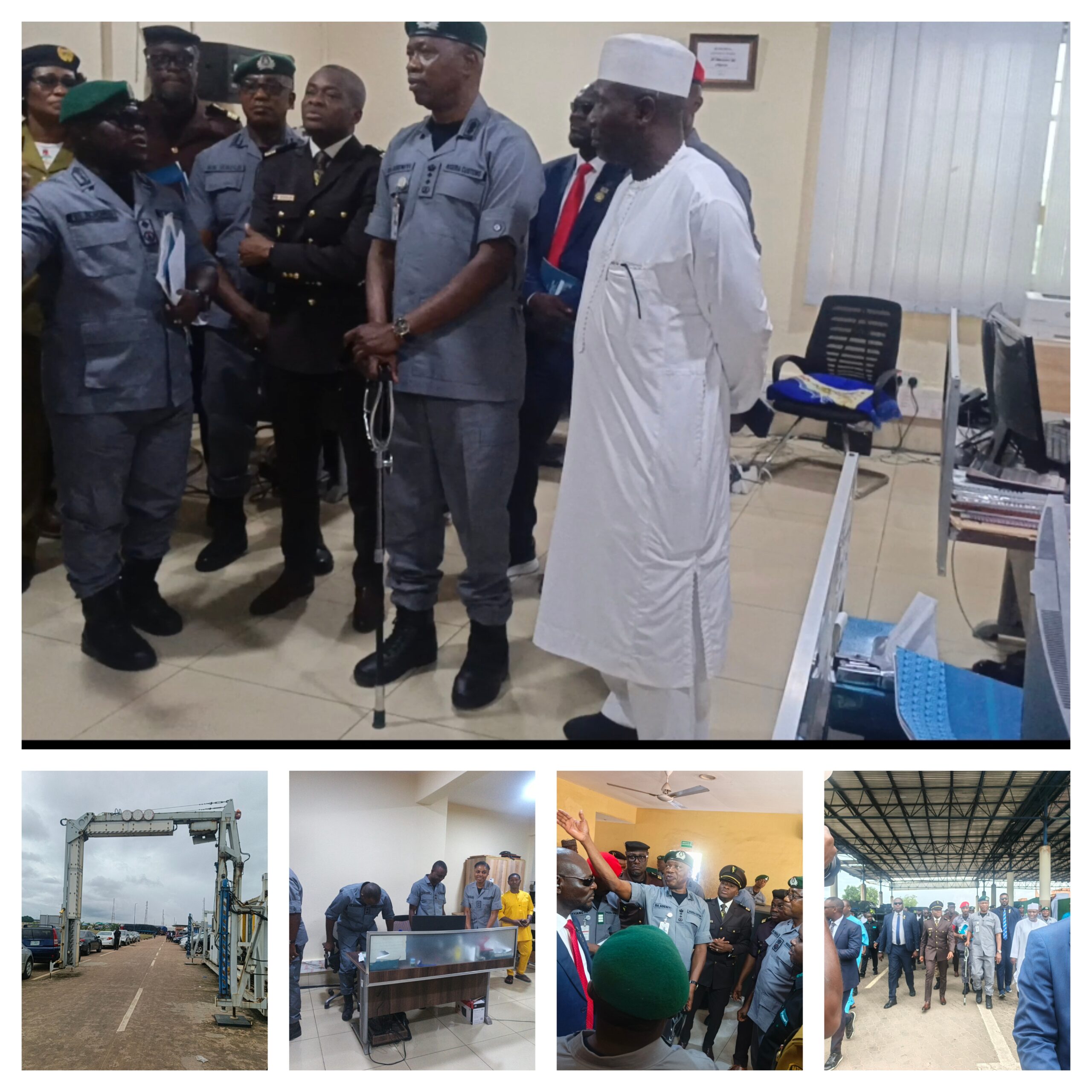
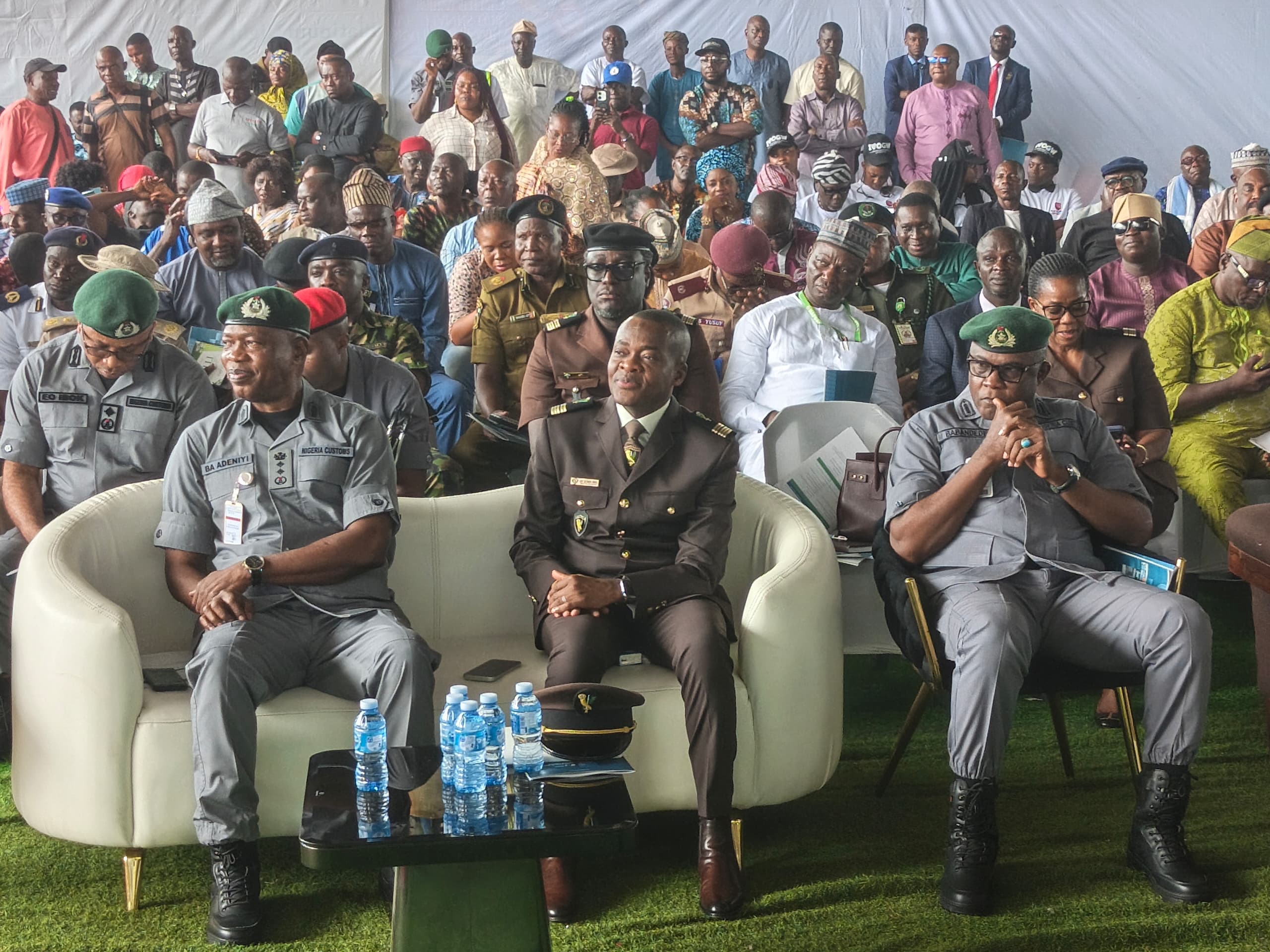
During the facility inspection, the Comptroller-General of Customs, Adewale Adeniyi and Benin Customs Chief, Raouf Aboudou embarked on a structured assessment of Seme-Krake Joint Border post, review operational readiness, engaged in border walk- through, observed the functionality of the scanners, and the Customs processing points to note the key readiness of the border for the initiative.
He equally commissioned the newly remodeled sporting facility, a mosque and a dedicated facility to address the needs of women traders operating along the Seme border corridor.
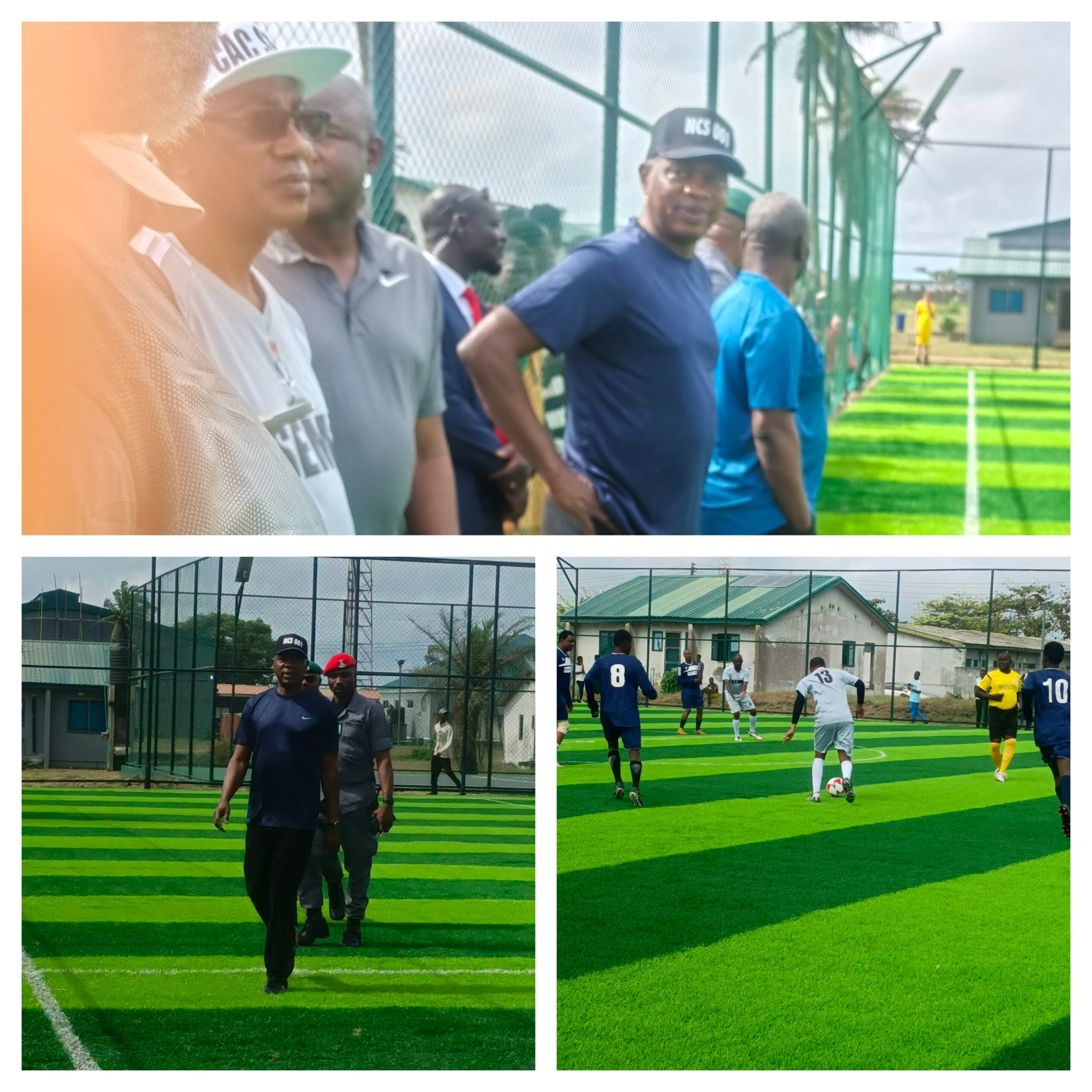
After the commissiong, the Seme Area Command team hosted the CGC with a friendly football match against Badagry United Football club with the Command winning 2-0.
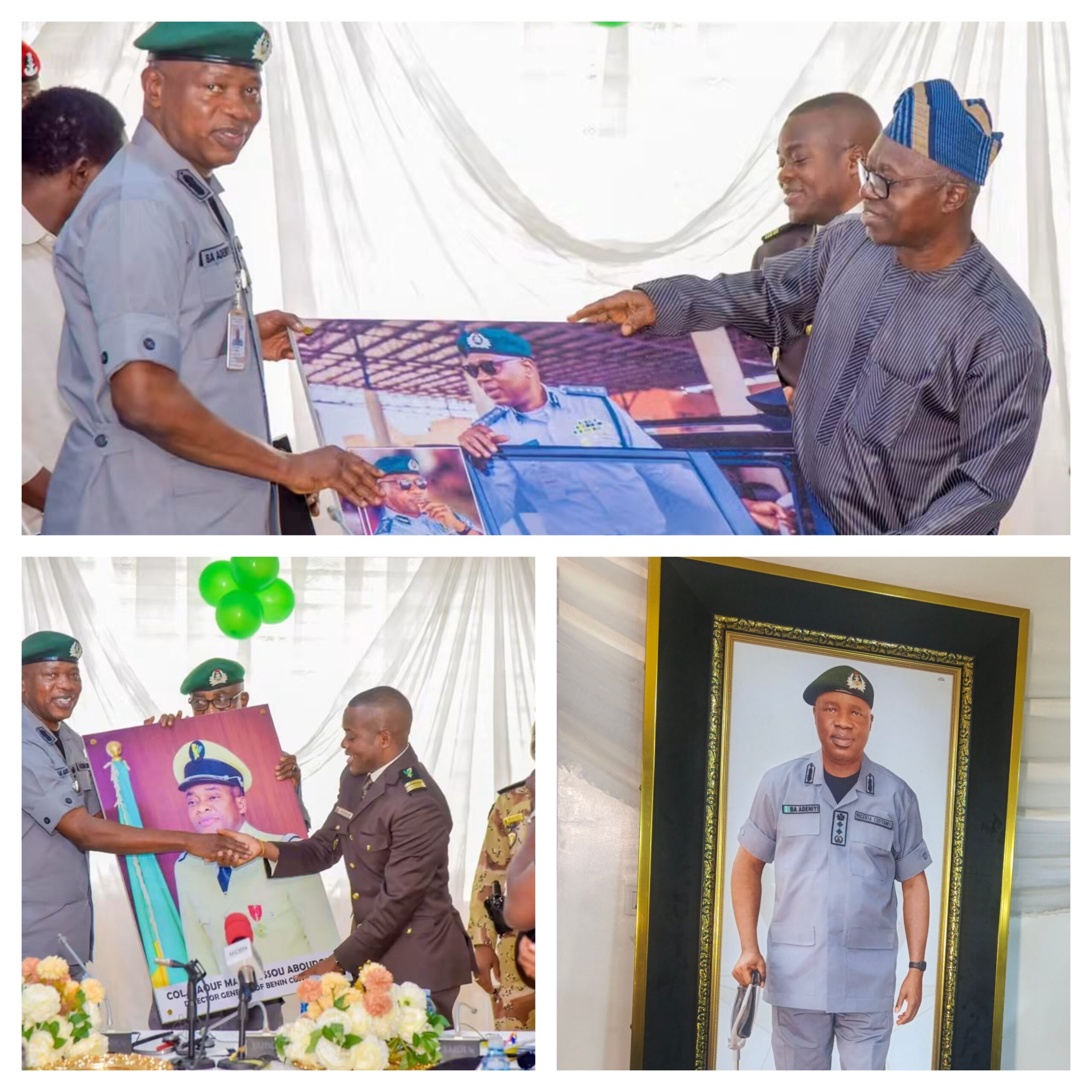
The visit also featured the presentation of photo frame to both the Comptroller-General of Customs, Adewale Adeniyi and the Director General of Benin Customs, Raouf Aboudou by officers and Men of Seme Command as a show of appreciation.
Similarly, as part of the border walk-through, there was demonstration of the border modernisation solution supporting secure cross-border interoperability between Nigeria and Benin.
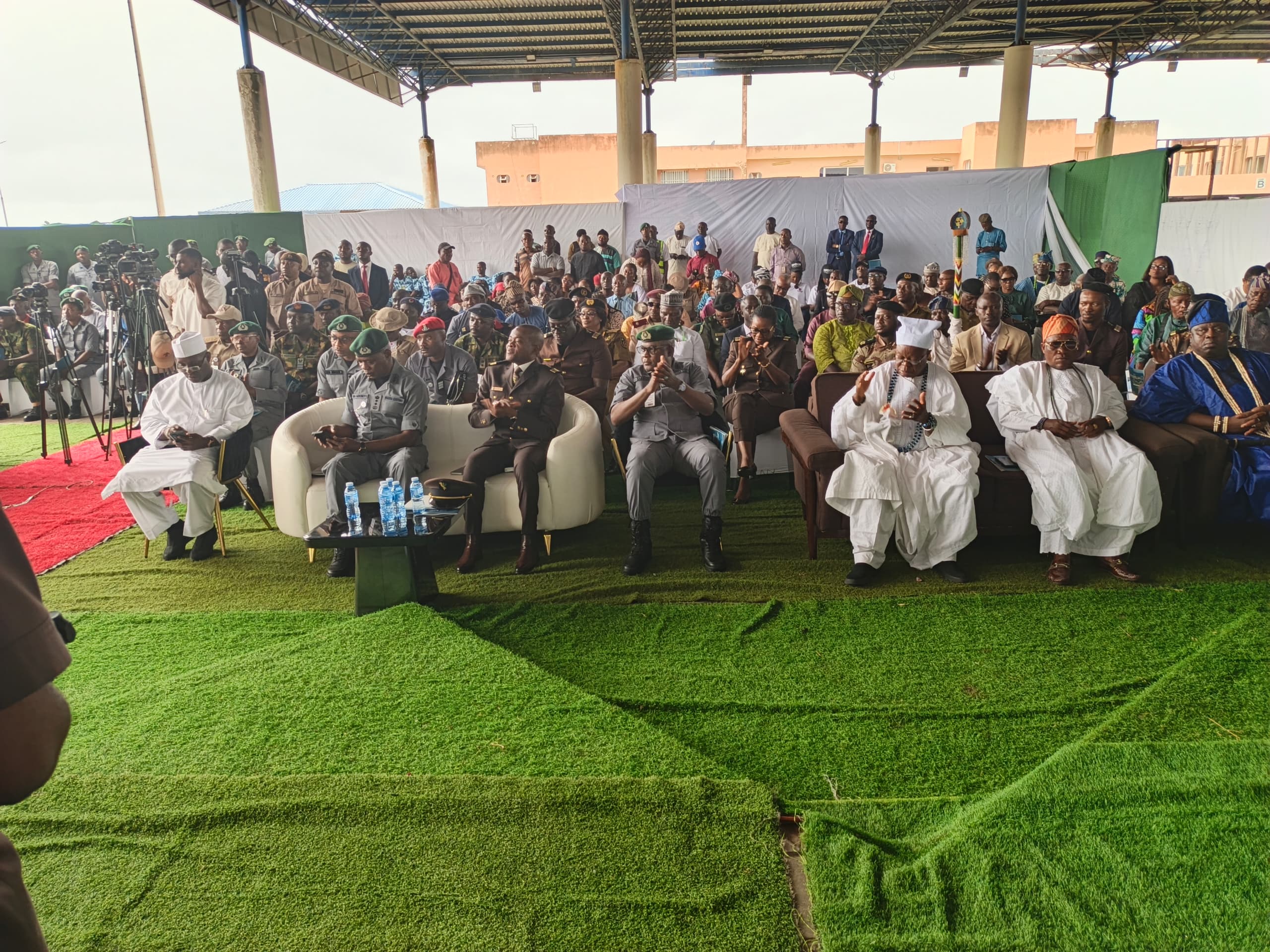
The engagement, tagged Joint Nigeria- Benin Republic, One Stop Border Post Assessment at Seme Krake, and themed: Leveraging the Nigeria Customs Service Trade Modernisation Project to Advance Seamless Cross Border Trade and shared prosperity”, combined formal commissioning, joint facility validation with a press briefing, followed by African Continental Free Trade Area (AfCFTA) Technical Team Presentation and demonstration.
It also brought together sister security agencies, traditional rulers, community leaders and other stakeholders from both countries.