

AI in Media: Experts Advocate Ethical Boundaries, Responsible Journalism
ZAINAB JUNAID
As the world evolves around digital innovation with the emergence of Artificial Intelligence and other forms of technology, the media landscape has continued to align with the pace of the technological advancement.
From event recording to transcription, editing and news writing, image creation and video production, the media industry has increasingly adopted this form of intelligence for creativity and editorial deadlines.
Amidst these advantages, media experts have cautioned that if ethical boundaries are not tied to the use of Artificial Intelligence, credibility and accuracy of every report can be undermined and this can deter the reputation of media practitioners and organisations using the technology.
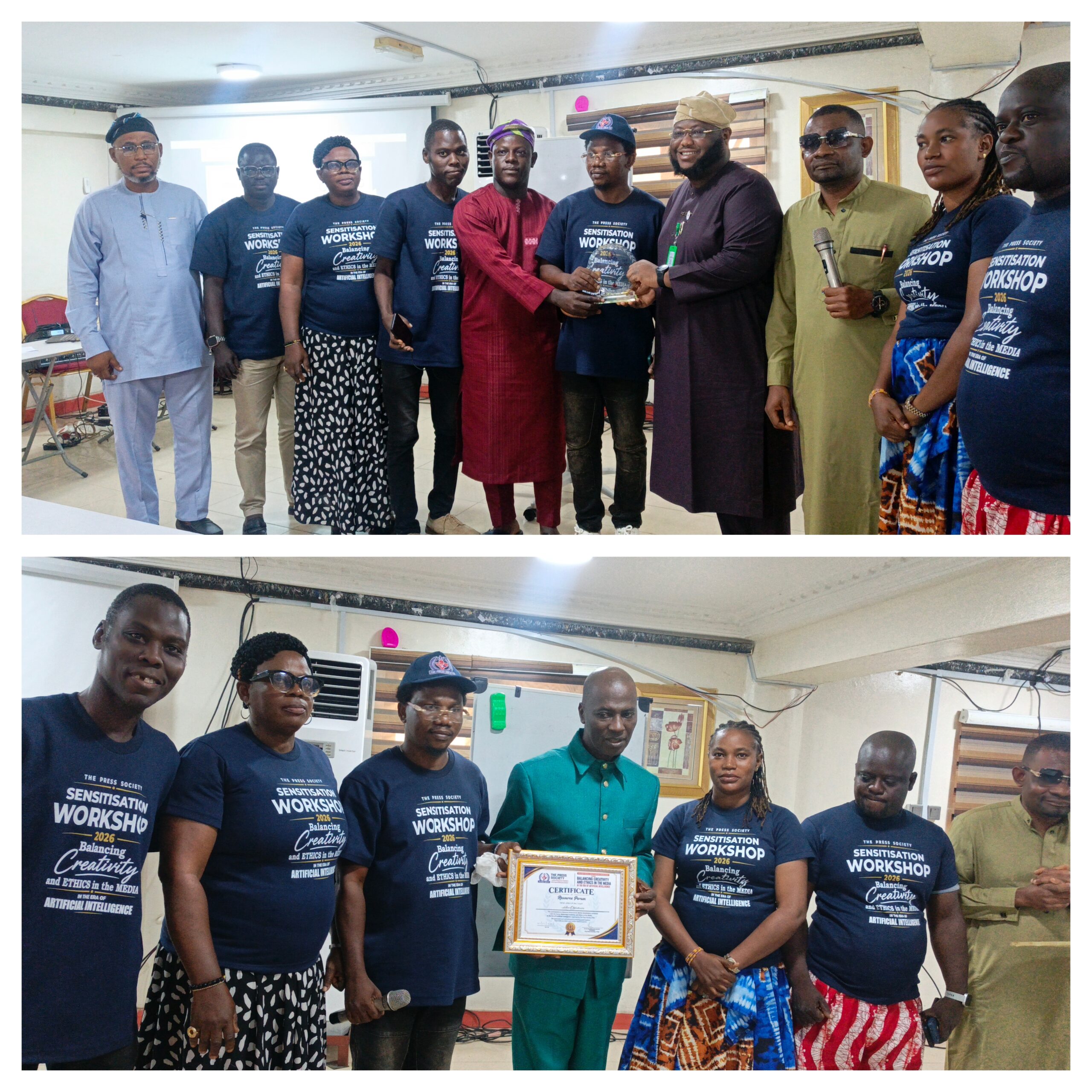
Speaking as a facilitator at a workshop organised by The Press Society (TPS) on Thursday, 3 September 2026, a media expert, and also Executive Director of Media Career Development Network, Lekan Otunfodurin observed that the use of Artificial Intelligence has not abolished the code of ethics for Nigerian Journalists, but has rather made them more important.
Otunfodurin stated this while delivering a paper on Ethics, Credibility and Public Trust in AI Era, emphasising that Journalists must abide by the code guiding the profession while adopting AI tool.
He submitted that AI may change how journalism is produced, but can never change what the profession owes the public.
The media guru also stressed the need for every journalist to know the journalism and broadcasting code as AI can only assist a journalist but cannot assume his responsibilities.
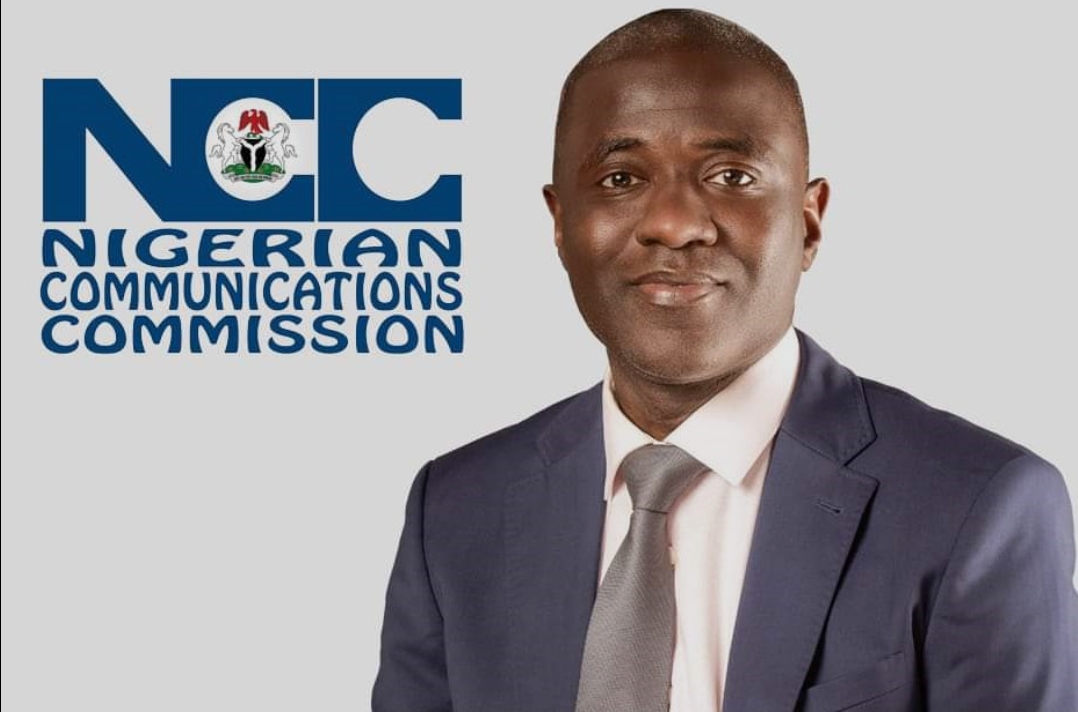
Also, the Chief Executive Officer of the Nigeria Communication Commission (NCC), Dr Aminu Maida, underscored the importance of Artificial Intelligence in improving journalists efficiency, influencing industries and professional practices, and spotlighted its inability to automatically translate into accuracy.
Dr. Maida, who was represented by the Commission’s Head, Media Relations, Mr. Babatunde Agbeji, posited that despite AI’s benefits, the tool raises concerns on accuracy, credibility and public trust.
While speaking on the topic- Artificial Intelligence, Digital Innovation and Responsible Reporting: The Role of Telecommunications and Innovation in Nigeria, Maida retorted that technology does not automatically guarantee accuracy, as false information can now be produced and distributed with unprecedented sophistication.
“Manipulated images, sensitive audio, and misleading content can appear convincing to experienced observers,” he said, “this relatives places a huge importance on the core principles of journalism. The obligation to verify information remains unchanged because Professional judgement remains indispensable as credibility still pend on diligence, evidence, and accountability”.
Speaking further, he said the role of media holds even more importance in the digital age, as citizens require reliable information to engage in conversations.
Maida enjoined Journalists to understand AI and its limitations, emphasising that modern newsrooms need professionals who have a practical understanding of new technologies and their limitations.
While stressing that technology can accelerate the production and distribution of content, but cannot replace integrity, sound evidence, and confidence, the CEO advocated a regulatory framework to be adopted alongside the technology.
In his words, “As technology develops, regulation must also develop. The obligation is not limited to regulation, but to ensure that innovation develops within a framework that promotes security, fairness, and accountability”. “Strengthening computer protection, cybersecurity and network resilience are also important”.
Similarly, Dr Segun Awe, representing the Managing Director of Global Transport Policy, Dr Segun Musa, stated that Artificial Intelligence is no more a tool but a colleague in the office, as it significantly increase content production by suggesting multiple headlines, article ideas and also allowing content personalisation.
He, however, stressed the need to balance its usage noting that the tool should not be used without considering its consequences. “Media houses must have Artificial Intelligence disclosure policy. They must disclose when content has been produced or assisted by AI.
Related Posts
“AI may generate several angles, the edior must choose which one serve the public interest. AI can trascribe but Journalists must verify at all times. AI can generate, but Human must take responsibility,” he advised.
In their goodwill messages, other stakeholders commended the organisers for initiating the platform at a time when technology is reshaping industries and reinventing professional practices.
They also commended TPS for creating avenue to upskill media practitioners on how to balance credibility and ethics while using AI tool, emphasising that the technology, though can generate content but can never be substituted for integrity, courage and human judgement.
Earlier, the convener, Abayomi Adagunduro asserted that amidst the advantage of Artificial intelligence to media profession in generating stories, images, headlines, videos, voices, among other functions, the technology cannot replace the conscience of a responsible journalist.
Adagunduro noted that AI can generate words, but cannot take responsibility for the consequences of those words.
He said, “AI can produce an image, but cannot determine whether publishing that image will destroy someone’s reputation or cause unnecessary panic. As it can analyse a compelling headline, it does not understand the pain of those whose strategy has become breaking news. That responsibility remains ours”.
He noted that with creativity being celebrated and competition for attention gaining momentum, the race to be the first to publish a piece by a journalist must not let the professional forget the principle of being right, fair, responsible and ethical.
Adagunduro also stressed that the future of journalism profession cannot be determined by the technology but how responsibly journalists use the tool.
”If technology is powerful, then our values must be stronger and If machines may be creative, then our humanity must remain at the centre of our journalism, we must learn to use AI as a tool, not as a substitute for professional journalism,” he said.
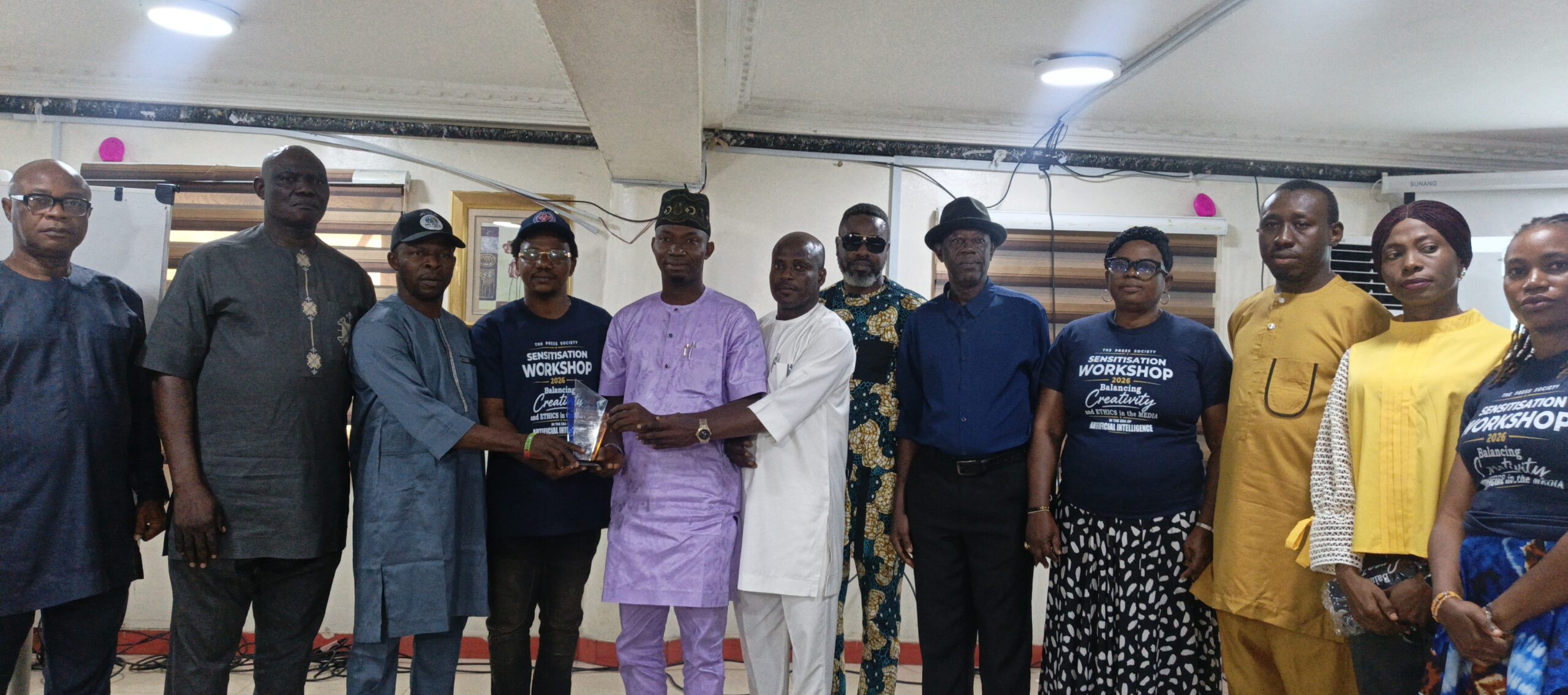
The workshop further featured presentation of papers by two other experts, Bukola Adebayo and Lanre Arogundade, who also identified the pros and cons of Artificial Intelligence, awards to distinguished partners of the organisers and certificates of participation to all participants.
Other participants at the event are Conference 57 Chief Press Secretaries (CPS) led by Mr. Abdulsalam Kamardeen, Chairperson, National Women of Journalists (NAWOJ), Lagos State Chapter, Mrs Jumoke Johnson, who represented Dr Jide Johnson.
Key takeaways of the workshop include:
*Journalists must disclose AI as source of information when the technology is used to generate contents.
*While using AI, media houses must adopt in-house policy to know when ethical boundaries lies.
*Since AI makes falsehoods look credible, it allucinate and fabricate suggestions, it is important to fact check stories before publishing
*Truth is the cornerstone of every journalist, there must be factual, accurate and fair reporting.
*Public Trust must remain the profession’s most valuable asset, hence the use of AI should not affect integrity, sound judgement and commitment to truth.