

Assessing the Impact of ‘Customs Cares’ CSR Initiative in Sagbokoji and Ajegunle One Year After Commissioning
Beyond the ribbon-cutting, sustained monitoring, community ownership and continued support are shaping lasting improvements in education and primary healthcare under the Nigeria Customs Service's Customs Cares initiative.
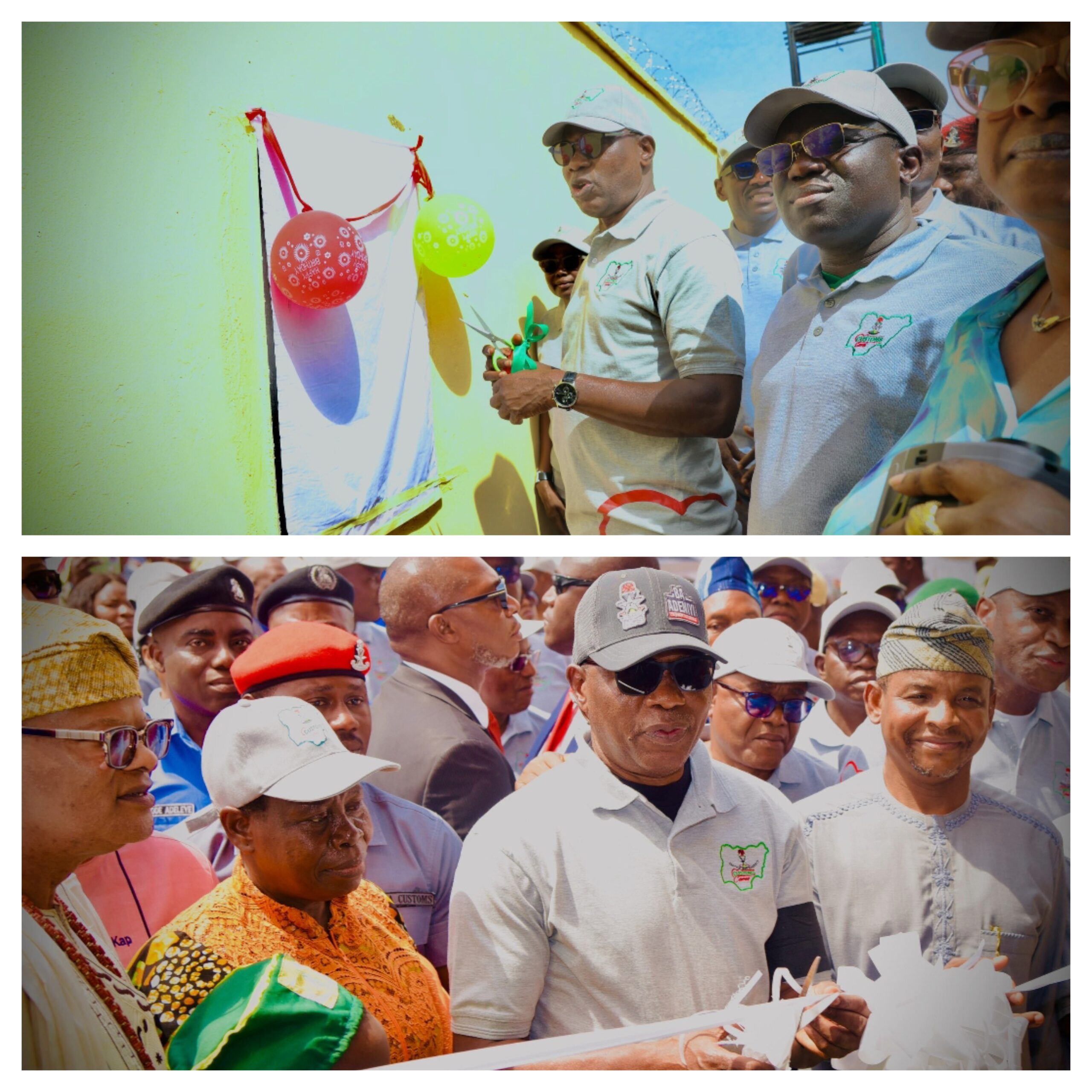
ZAINAB JUNAID writes from Lagos
One year after the Nigeria Customs Service (NCS) commissioned its pioneer ‘Customs Cares’ Corporate Social Responsibility (CSR) projects in Sagbokoji and Ajegunle, Transit News Correspondent undertook separate visits to the beneficiary communities to assess the extent to which the interventions have translated into sustainable improvements in education and primary healthcare.
The assessment found evidence of positive changes across the two public schools and the Sagbokoji Primary Health Care Centre.
School administrators, teachers, parents and pupils attributed improvements in enrolment, attendance, learning conditions and healthcare utilisation to the interventions.
However, they also identified areas requiring further support, underscoring that sustaining development outcomes extends beyond project commissioning.
The findings also indicate that one of the distinguishing features of the initiative is the Agency’s continued engagement with the projects through periodic monitoring, facility adoption and post-commissioning support; an approach stakeholders believe has contributed to preserving the value of the investments one year after inauguration.
Assessment Finding 1: Ajegunle School Shows Improved Learning Environment
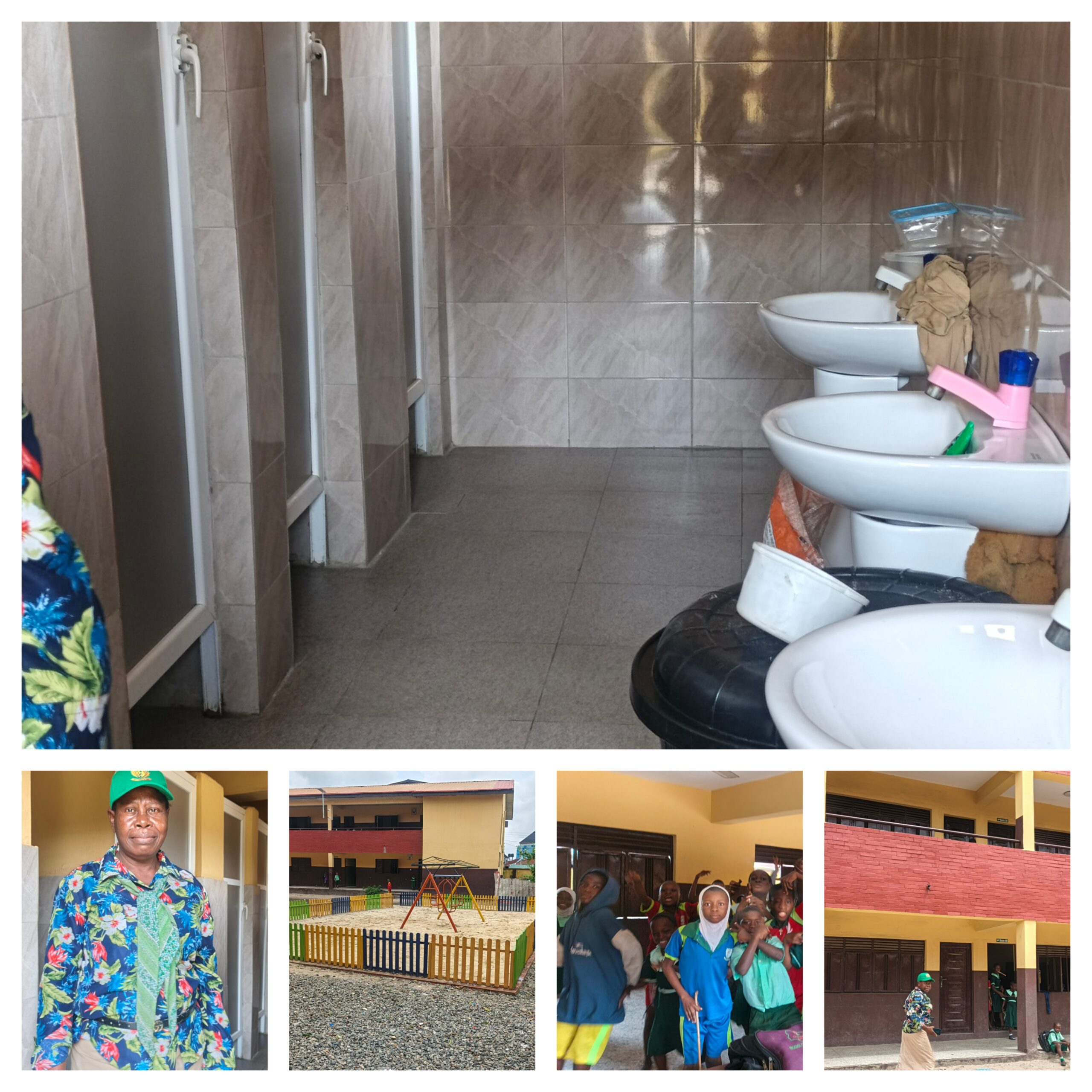
At Christ Assembly Nursery and Primary School, located on number 6, Rasaki Street, Olodi-Apapa, Ajegunle , Lagos, the transformation remains evident one year after the project was commissioned.
Beyond the renovated classrooms, ICT room, playground and improved sanitation facilities, new pupils admitted into the school continue to receive “Back-to-School” materials provided under the initiative, while the Service has maintained regular monitoring of the facility.
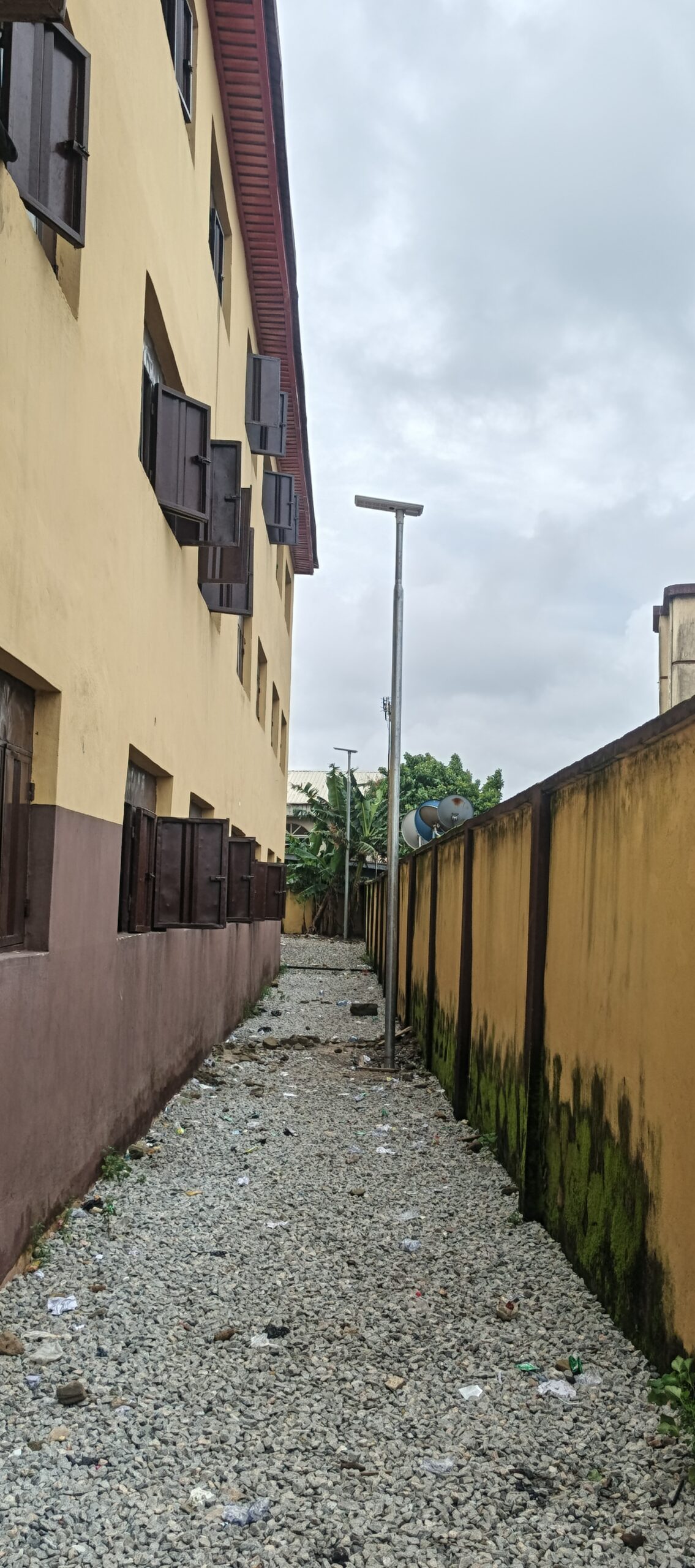
The commitment was further demonstrated on 25 June 2026 when the Tin Can Island Port Command installed 14 solar-powered lighting poles to illuminate the school premises, improving security and creating a safer learning environment.
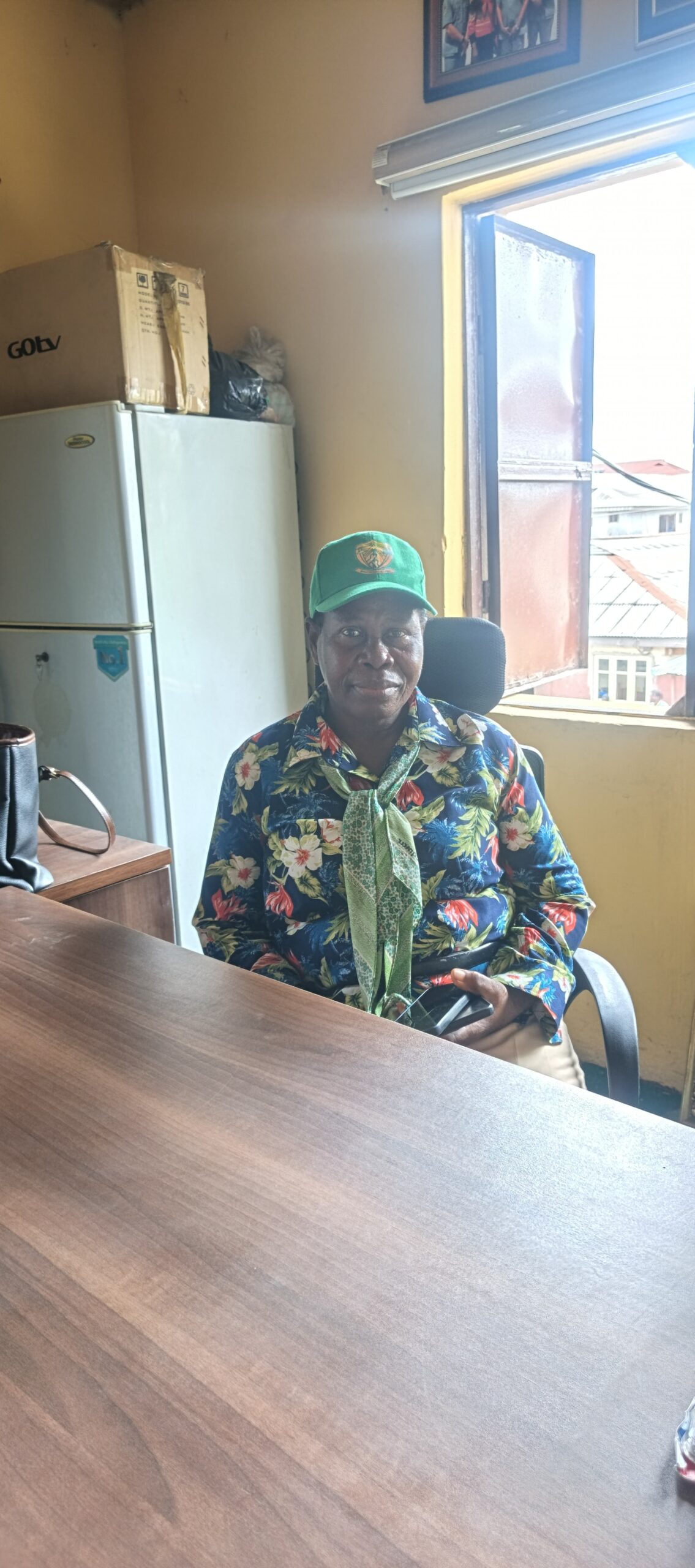
According to her, the announcement of the project came barely a week after she assumed office in March 2025.
Mrs Ogunfuyi explained that she took over following the retirement of her predecessor on 15 March 2025 and officially received her letter of appointment on 18 March 2025 before the Nigeria Customs Service visited the school to announce the Customs Cares intervention.
The Head Teacher also recalled that when former Customs Area Controller of Tin Can Island Port Command, now Acting Assistant Comptroller-General (ACG) of Customs in charge of the Human Resource Department ACG Frank Onyeka, visited the school to announce the initiative, she was overwhelmed with excitement.
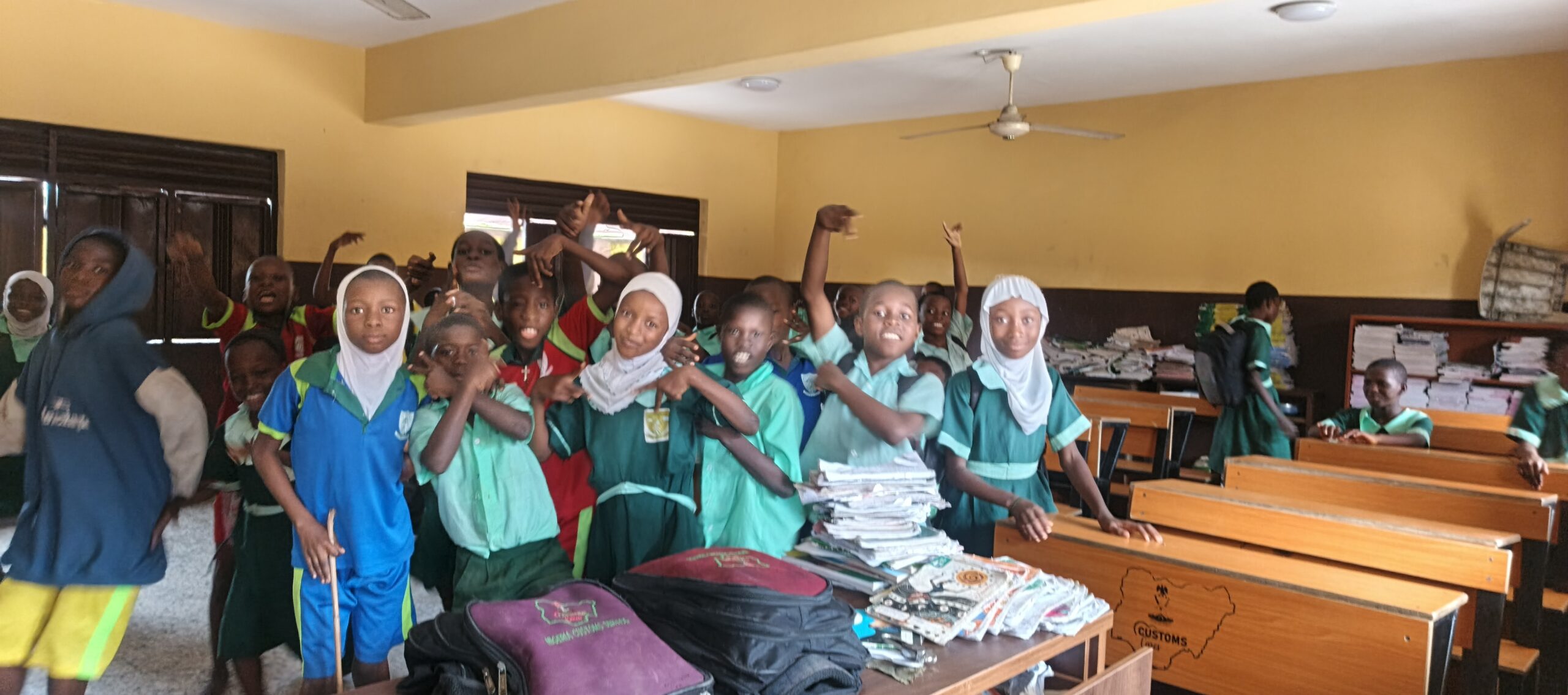
“Before Customs came, there was virtually no roof in some sections and the environment was not encouraging for teaching and learning. We had been managing with the little resources available, but their intervention completely changed the story,” she said.
Mrs. Ogunfuyi noted that the school management has prioritised maintenance of the facilities, especially the toilets and classrooms, while the Nigeria Customs Service continues to monitor the infrastructure and provide support where necessary.
She disclosed that pupils admitted after the commissioning have also benefited from the remaining educational materials, including exercise books, school bags, raincoats and other learning aids.
“I don’t carry the burden alone. Sometimes Customs asks us to submit what is needed, while in some cases we provide certain things ourselves. They have kept their promise one year after the commissioning,” she stated.
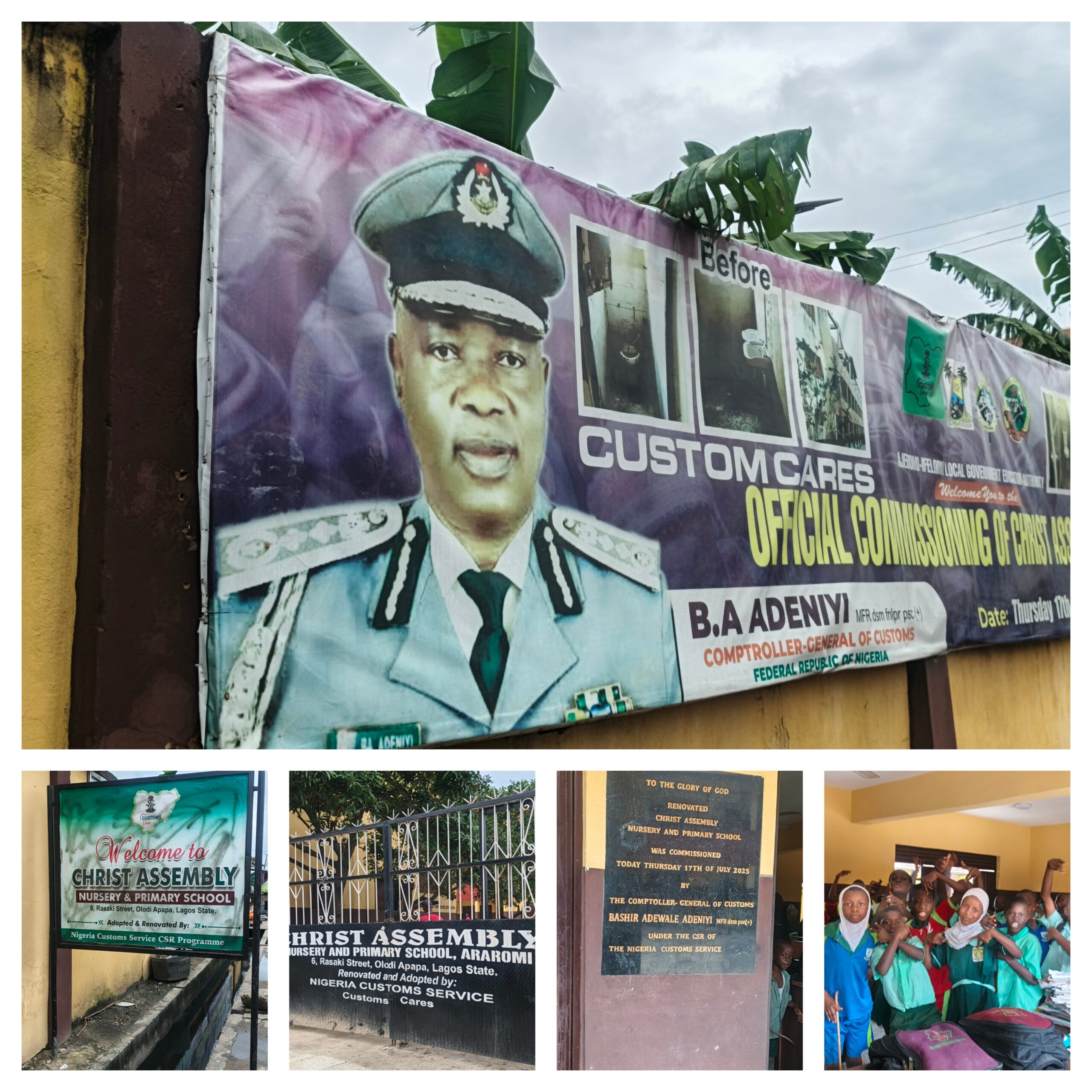 One year after, pupils admitted into the Christ Assembly Primary School also benefit from the remaining educational materials, including exercise books, school bags, raincoats and other learning aids.
The head teacher observed that the improved learning environment has encouraged more parents to enrol their children in the school while making pupils more enthusiastic about attending classes.
Our Correspondent also gathered from the Tin Can Island Port Command (TCIPC)’s Public Relations Officer, Chief Superintendent of Customs Oscar Ivara, that non-teaching staff have been employed and are paid by the Nigeria Customs Service (NCS) to support the maintenance of the school facilities.
CSC Ivara informed that “As part of the Comptroller -General of Customs, CGC Bashir Adewale Adeniyi MFR, initiative which gave birth to the Corporate Social Responsibility (CSR) tagged Customs Cares’, part of the mandate was not just to go into the environment to carry out any form of CSR, it was also to adopt the infrastructure we worked on.
“After realising the highly dilapidated state of the infrastructure during our inspection, we decided to embark on massive innovation of the edifice and it was not a one off thing. The facility were kept in good condition, the Command also take into consideration the welfare of the teachers. We went as far as employing Non Teaching Staff, that is the domestic staff including cleaners. This initiative was that of the CGC. It is a continuity thing. The monitoring is ongoing as we follow through because it is a mandate of the CGC and the lesson we learned are numerous,” he stated.
Assessment Finding 2: Higher Attendance, Stronger Community Confidence at Sagbokoji
A similar pattern was observed at Local Authority Primary School, Sagbokoji, where the Customs Cares intervention marked its first anniversary on 30 April 2026.
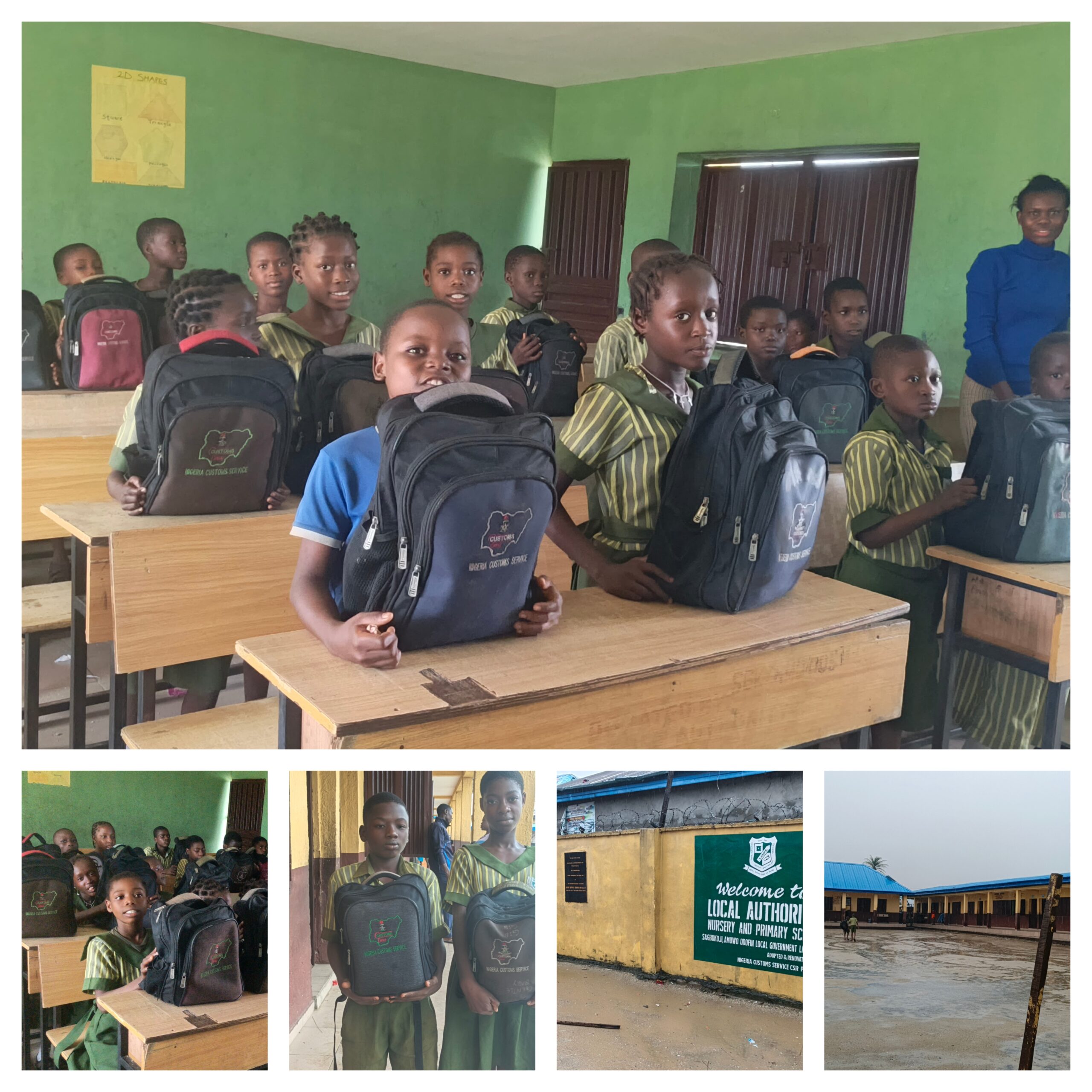
The renovation, solar-powered facilities, upgraded classrooms, library and learning materials have significantly changed the school’s fortunes.
Acting Assistant Head Teacher and Primary Six teacher, Mr. Adejugbe Olakunle, said the intervention has transformed parents’ perception of public education within the community.
According to him, school attendance has become more regular, while enrolment has increased substantially.
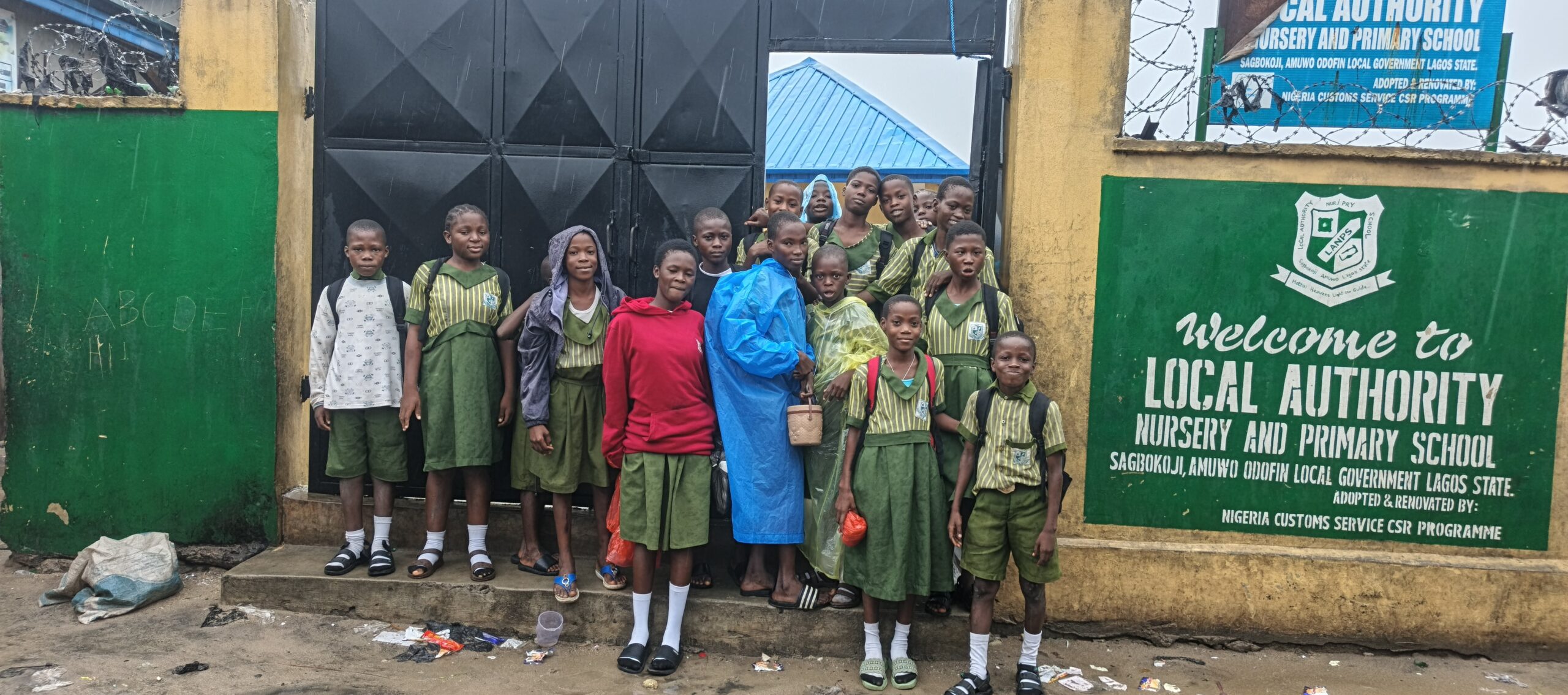
“Before the intervention, some pupils would attend school for one month and remain absent for another three months. That affected continuity in learning,” he explained, “But immediately Customs provided learning materials and improved the environment, parents became more interested in sending their children to school. Some even withdrew their children from private schools and enrolled them here because the burden of buying books and other materials was reduced”.
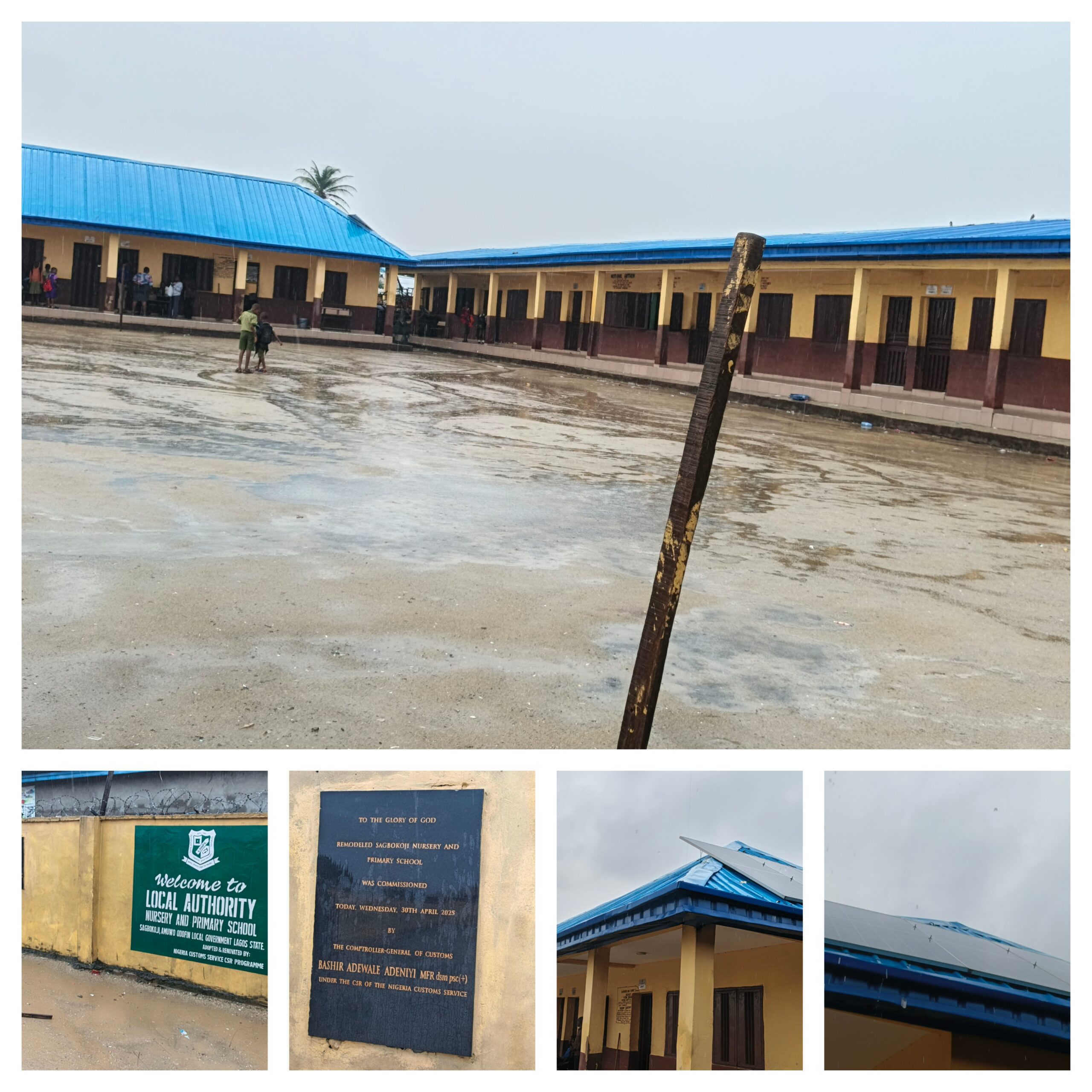 Local Authority Primary School, Sagbokoji one year after NCS intervention
He disclosed that the school currently records about 880 pupils in attendance, with the population approaching 1,000.
“The project brought a new lease of life to the school. Attendance has improved, pupils are more committed to learning and parents now have greater confidence in public education,” he said.
Related Posts
While commending the initiative, Olakunle appealed for additional support in areas such as toilet facilities, soak-away systems and more water points to accommodate the growing population, noting some of the existing ones have become faulty.
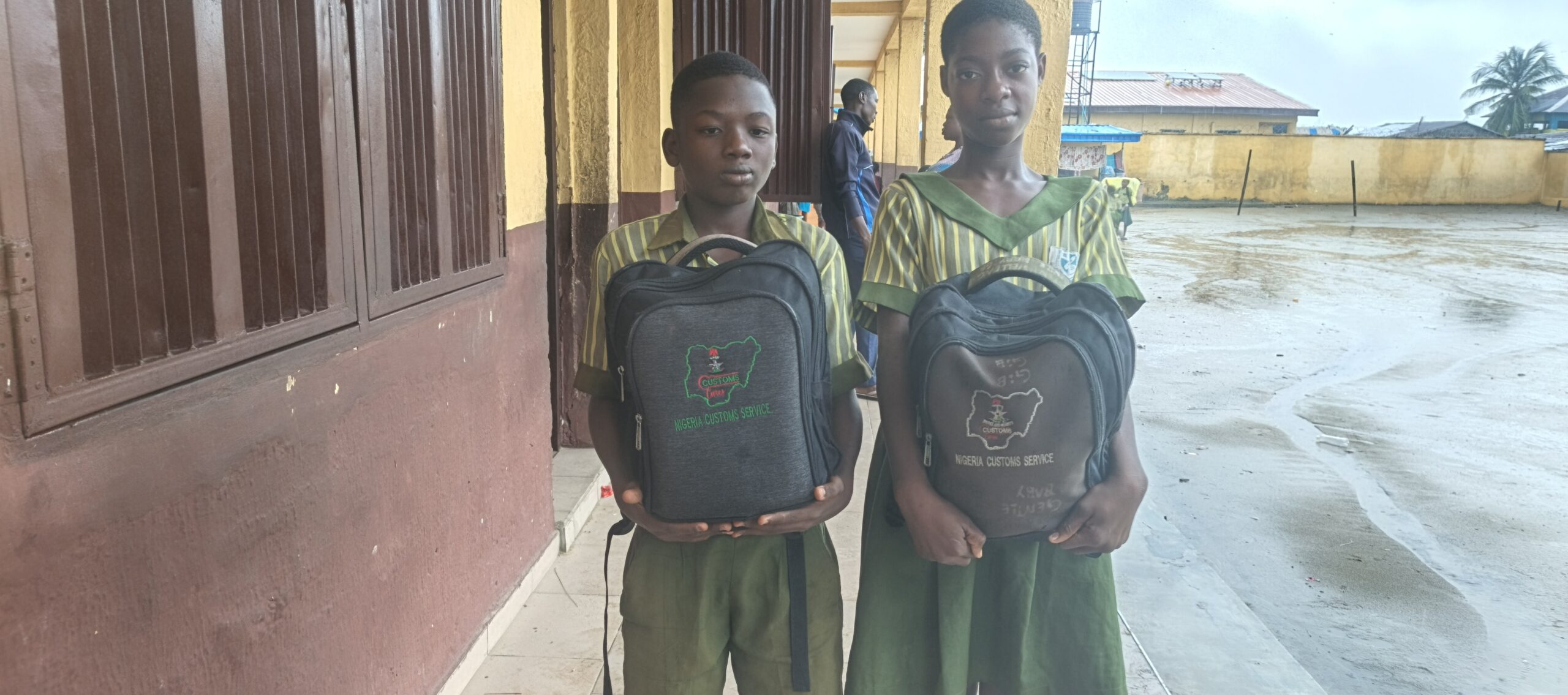
Similarly, Primary Five pupil, Simenu Godfrick, and Primary Six pupil, Boton Nueline, also confirmed that the improved library, powered by solar electricity, has encouraged pupils to develop better reading habits.
According to them, the conducive learning environment has contributed to improved academic performance.
They, however, appealed for additional recreational facilities, including a football pitch, improved water supply and rehabilitation of damaged infrastructure.
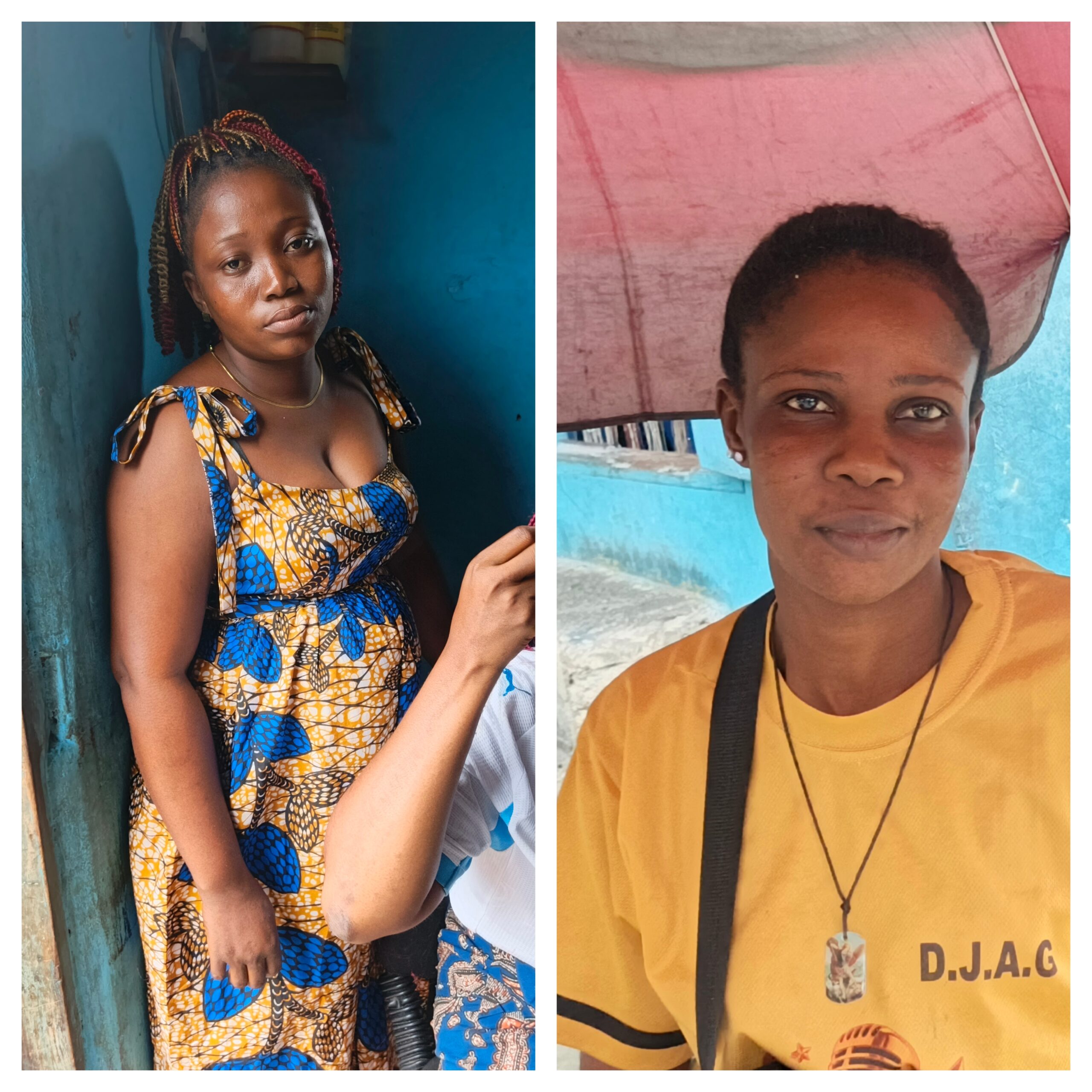
Two Parents, Mama Iyance, a mother to Ayonouta, a Nursery 2 pupil and Mama Leons Todjinu, mother to Hoen Tosu in Primary 4, who spoke with Transit News, equally praised the Customs intervention, describing it as one of the most impactful government-supported projects witnessed in the community.
Assessment Finding 3: Sagbokoji Health Centre Records Increased Patient Turnout
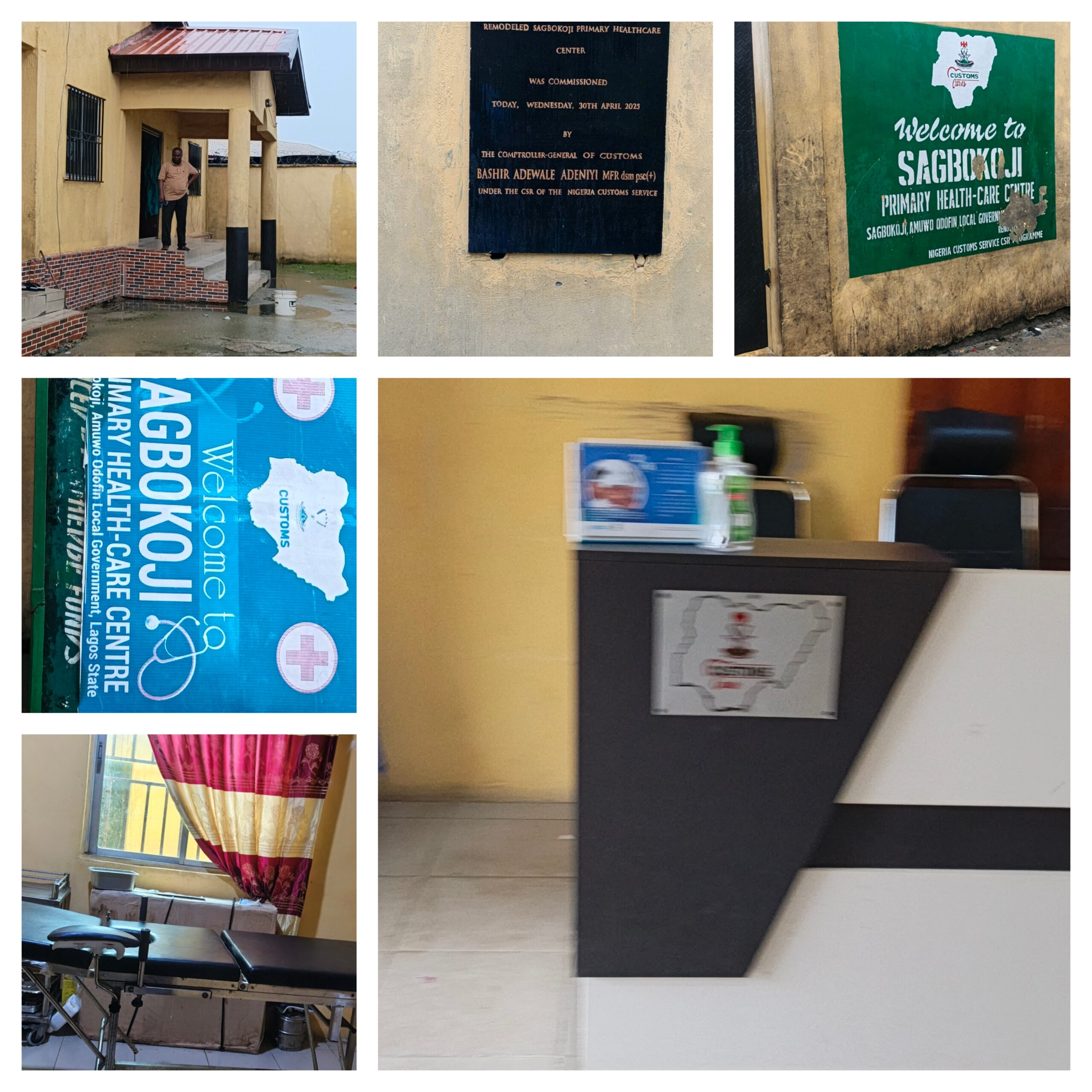
The Sagbokoji Primary Health Care Centre, renovated under the same initiative, has also witnessed remarkable improvements one year after commissioning, findings revealed.
The Officer-in-Charge of the facility, Dr. Bankole Ebenezer, said the installation of solar power and a borehole has significantly improved service delivery and public confidence.
According to him, uninterrupted electricity has enabled the centre to provide more reliable healthcare services for pregnant women, children and other patients.
“As long as there is constant power supply, more people are willing to come to the health centre. The turnout has improved tremendously compared to what we had before the intervention,” he said.
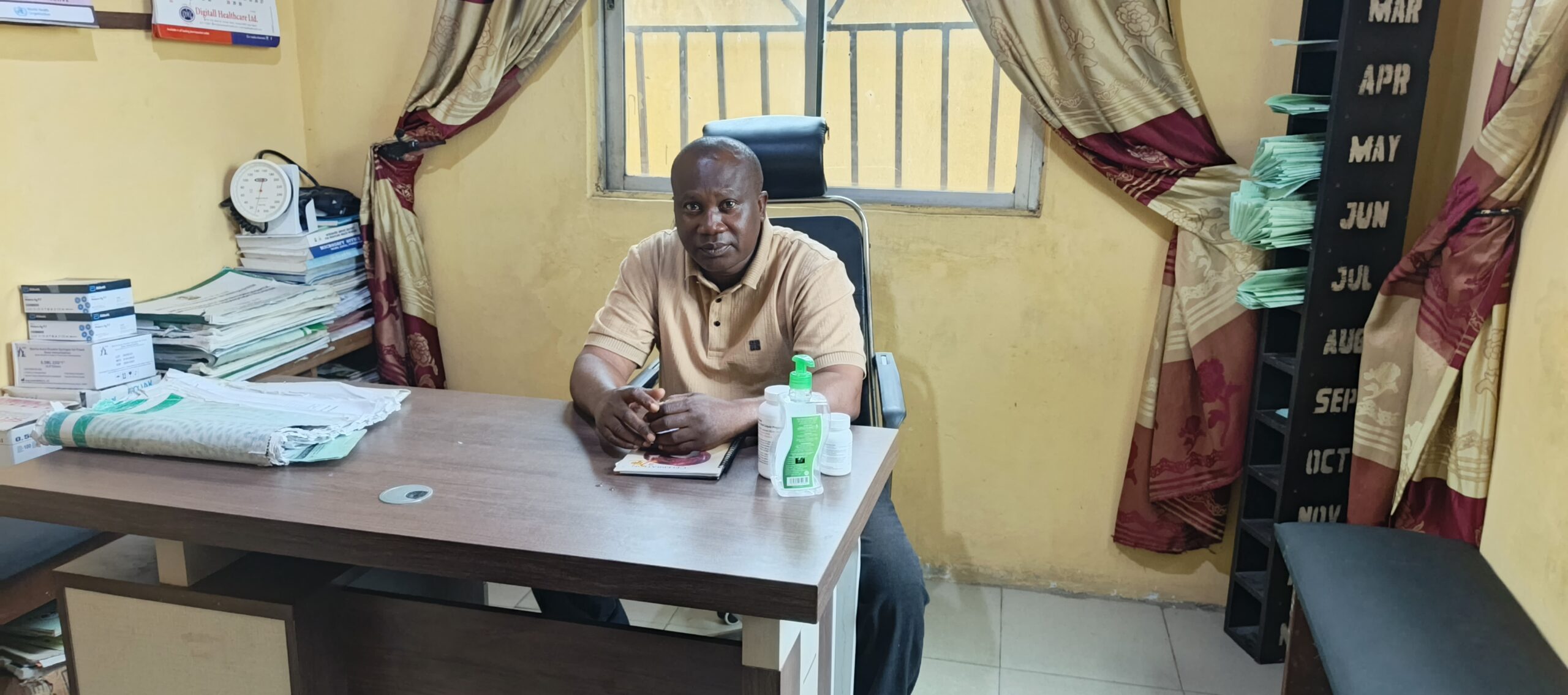
He disclosed that monthly outpatient attendance has increased from between 20 and 30 patients before the renovation to about 70, with the figure gradually approaching 100.
Similarly, immunisation attendance has risen from about 50 children every Tuesday to over 100 beneficiaries.
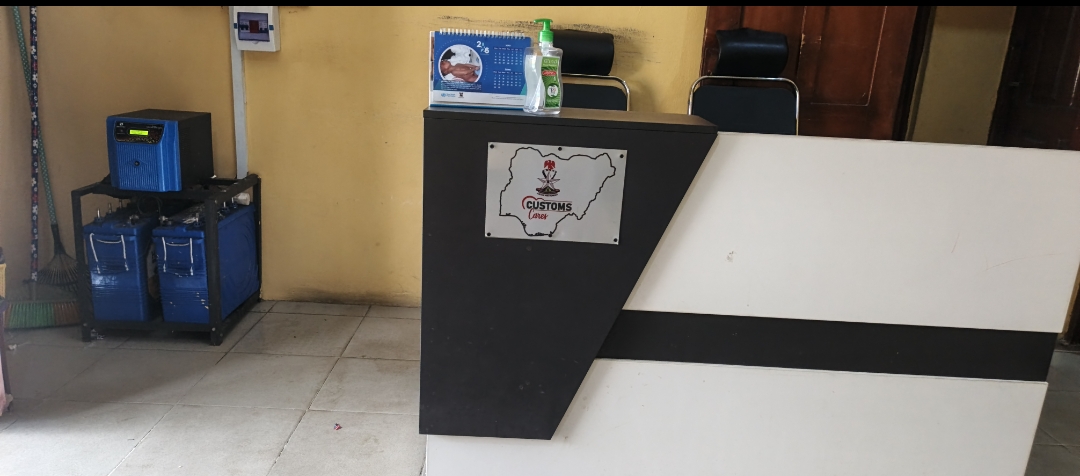
While appreciating the Nigeria Customs Service, Dr. Ebenezer appealed for additional chairs, replacement of damaged windows and a television set to improve patient comfort during health education sessions.
An inspection of the Health Care facility by Transit News showed that the Centre remains well maintained, with the facilities largely preserved in good condition.
Sustainability Appears Central to the Initiative
Beyond physical infrastructure, one of the major findings of the assessment is the Service’s continued post-commissioning engagement with the projects.
Unlike many Corporate Social Responsibility interventions that end after project delivery, the Customs Cares initiative includes periodic monitoring, facility adoption and continuous engagement with beneficiary institutions.
School administrators and health workers interviewed during the assessment especially at Christ Assembly Nursery and Primary School confirmed that the Service has maintained contact with the facilities and continues to respond to identified needs.
Nigeria Customs Service Perspective:
Responding to the findings, the National Public Relations Officer of the Nigeria Customs Service, Deputy Comptroller of Customs Abdullahi Aliyu Maiwada, said the Service established a dedicated Unit to coordinate and monitor Customs Cares projects across the country.
 Customs National Public Relations Officer, DC Abdullahi Aliyu Maiwada
According to him, the initiative has enhanced the Service’s public image while delivering tangible development outcomes.
“There is no doubt that the Customs Cares Initiative has significantly enhanced the reputation, Image and positive public perception towards the Service particularly in benefitting communities across the country. The Service is now viewed as a responsive and socially responsible organisation that contributes meaningfully to national development outside its famous functions revenue generation and suppression of Smuggling,” he said.
Maiwada noted that improved access to quality learning environments and educational materials has resulted in higher school attendance and increased enrolment across beneficiary schools.
The Customs Image Maker also said that the projects are regularly monitored and evaluated to ensure sustainability, noting the school and the primary health care centre have been formally adopted by the Nigeria Customs Service and supported under the Customs Care Initiative.
Among the lessons learned, he identified proper needs assessment and prioritization, community involvement and ownership, alignment with national development priorities, continuous monitoring and sustainability planning as key pillars guiding the expansion of the initiative in 2026 and beyond.
According to him, more than 11,000 students benefited directly from Customs Cares interventions in 2025 alone.
“The beneficiaries include about 1,700 pupils at Local Authority Primary School, Sagbokoji; 1,200 pupils at Christ Assembly Nursery and Primary School, Apapa; 2,000 students at Government Secondary School, Wuse III; 3,000 pupils at Maigatari Primary School in Jigawa State; 800 students at Modakeke High School; and another 3,000 students at Government Secondary School, Giri,” he stated.
The figures, he said, exclude thousands of additional beneficiaries reached through renovated primary healthcare centres and other community-based projects.
In conclusion, the assessment indicates that the Customs Cares initiative has delivered outcomes beyond physical infrastructure in the two communities one year after commissioning. Evidence gathered during the visits points to improved learning conditions, increased school attendance, greater utilisation of primary healthcare services and sustained engagement by the Nigeria Customs Service.
However, the assessment also highlights that sustaining these gains will depend on continued maintenance, community ownership and targeted interventions to address outstanding infrastructure needs identified by beneficiaries.