

Nigeria Customs Calls for Stronger Inter-Agency Fight Against Transnational Crimes
ZAINAB JUNAID
The Nigeria Customs Service (NCS) has called for stronger inter-agency collaboration, enhanced intelligence sharing, and coordinated synergy in tackling terrorism financing, money laundering, wildlife trafficking, and other forms of transnational organised crime.
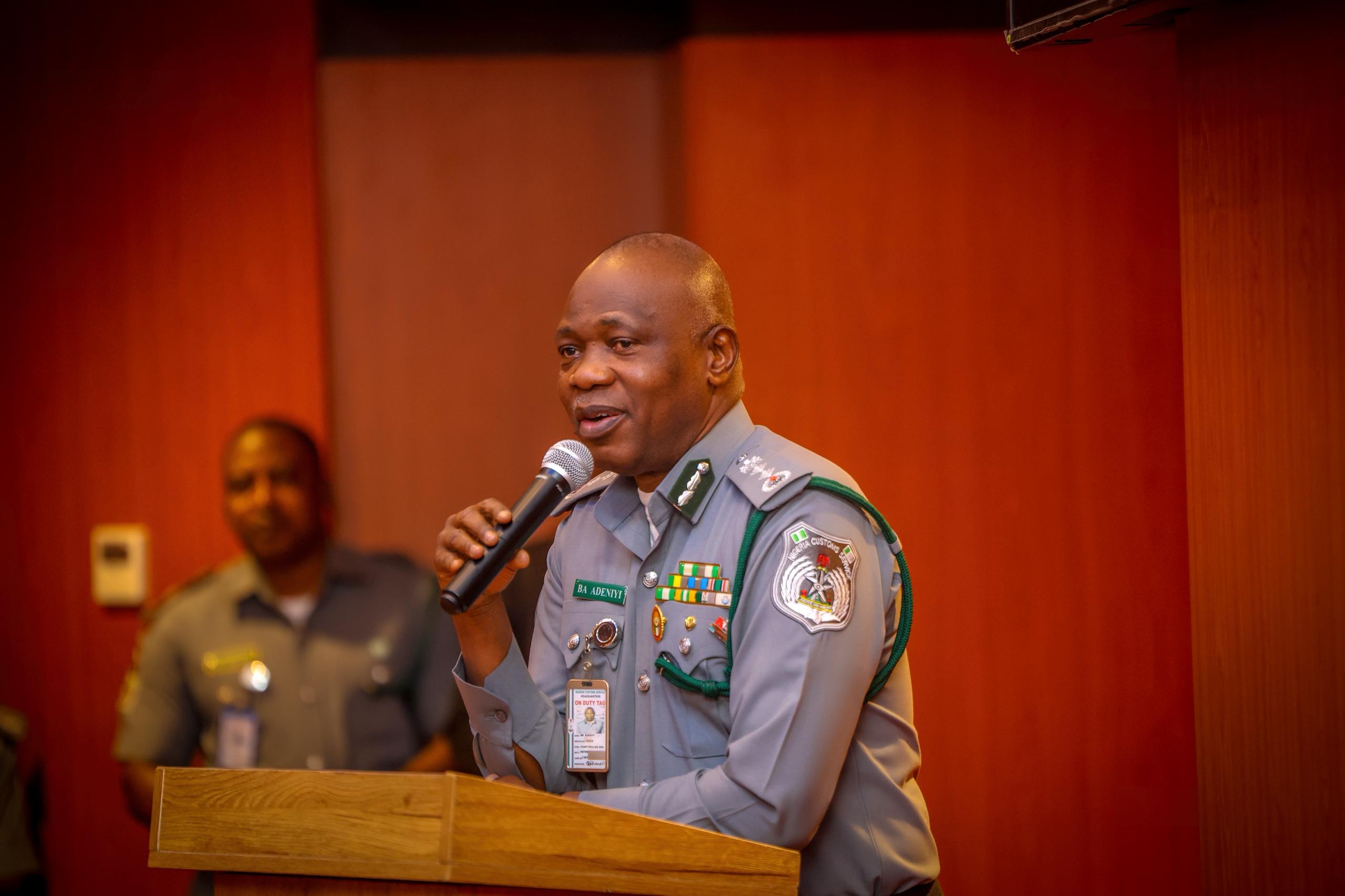
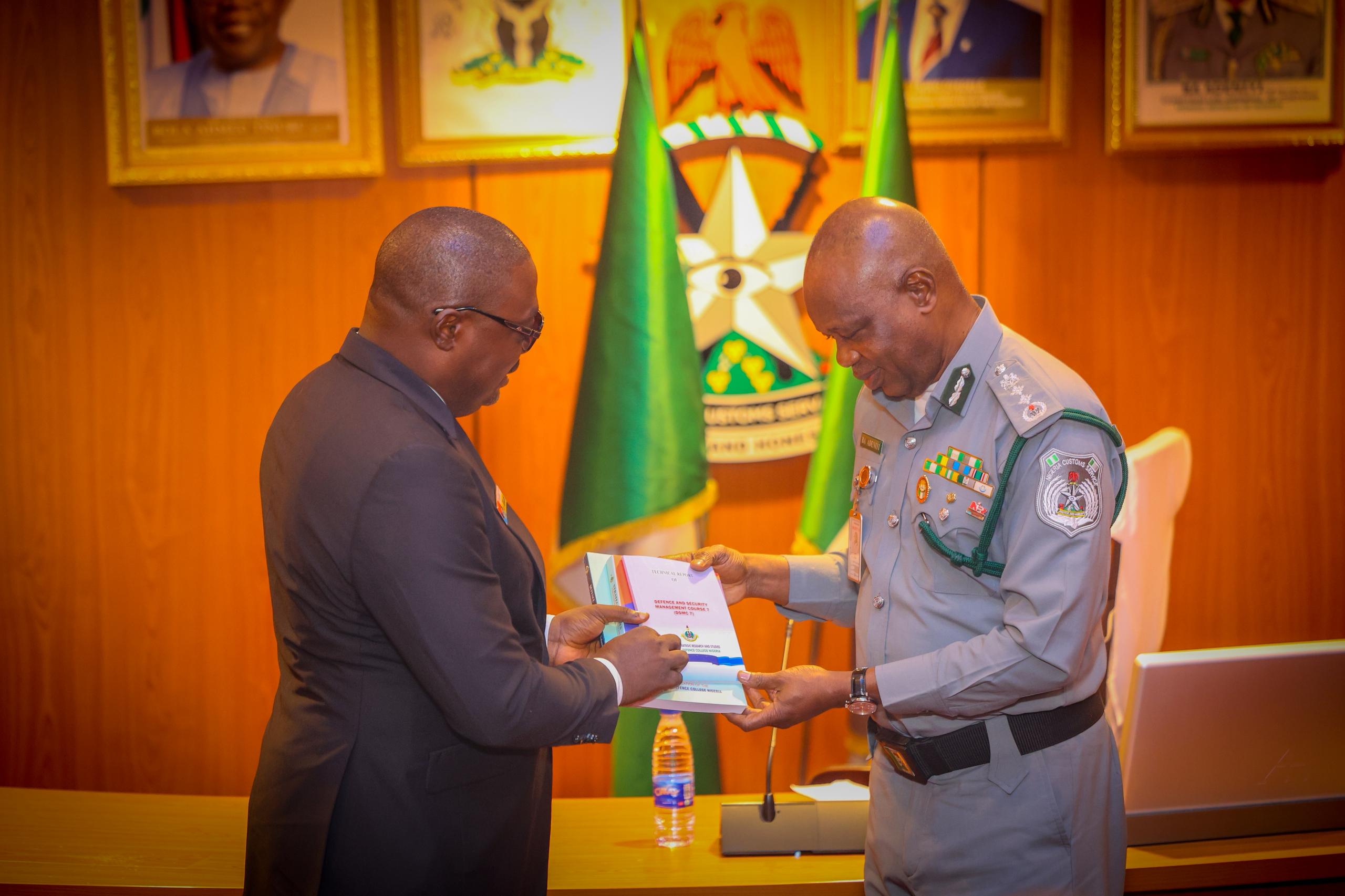
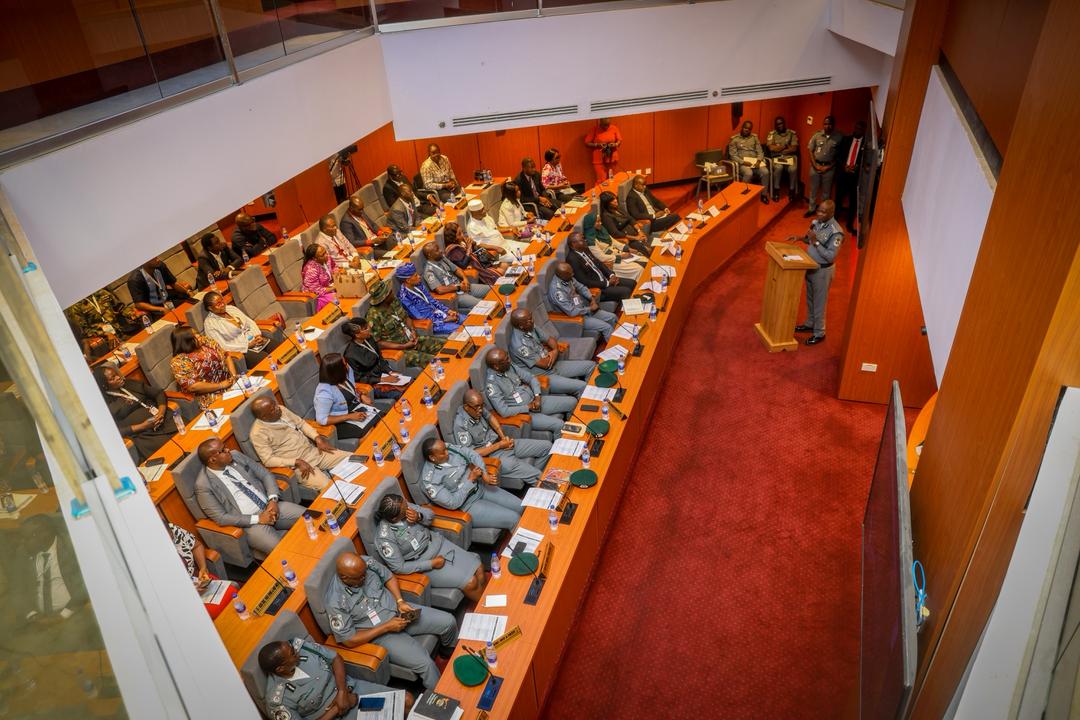
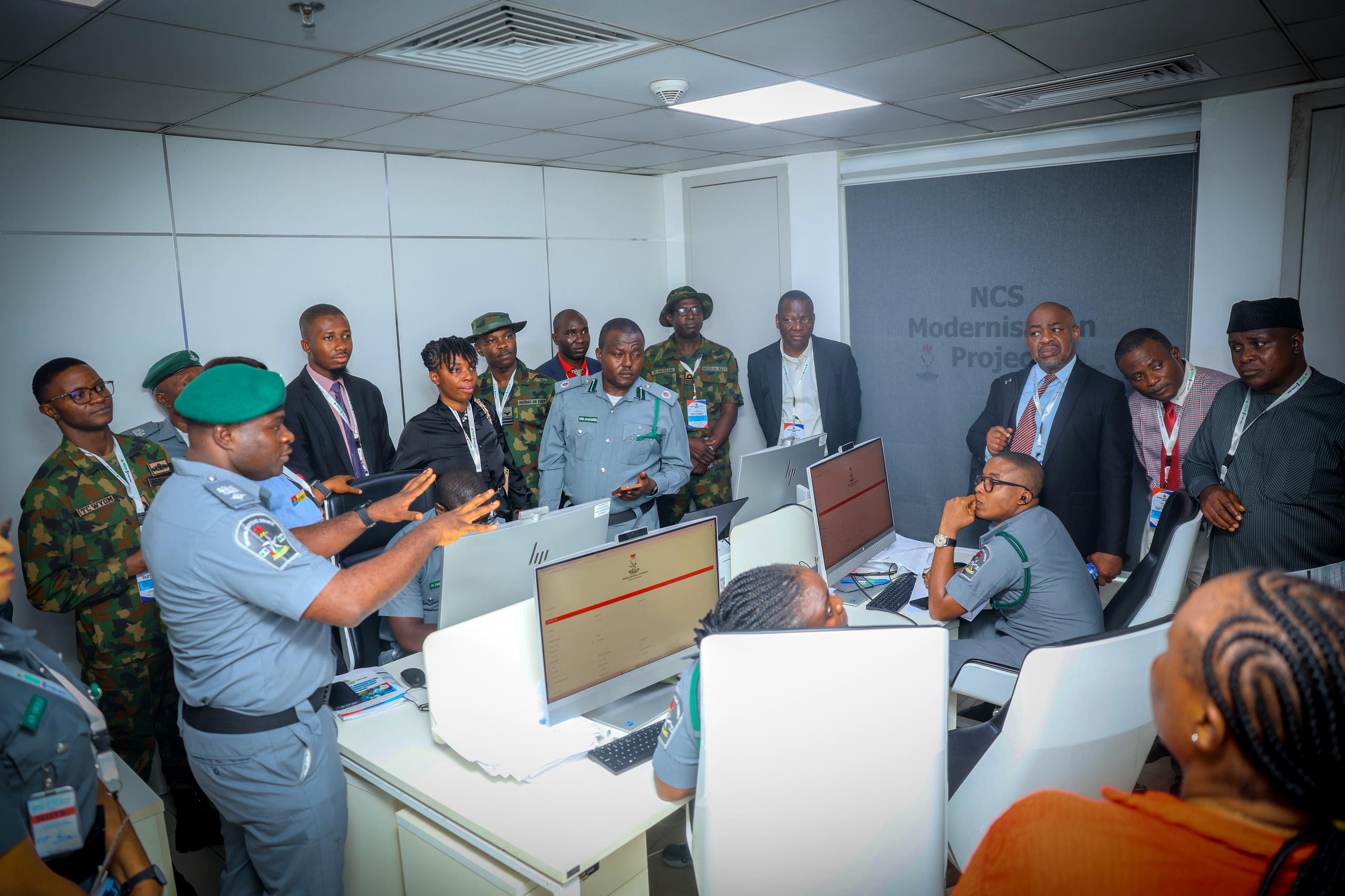
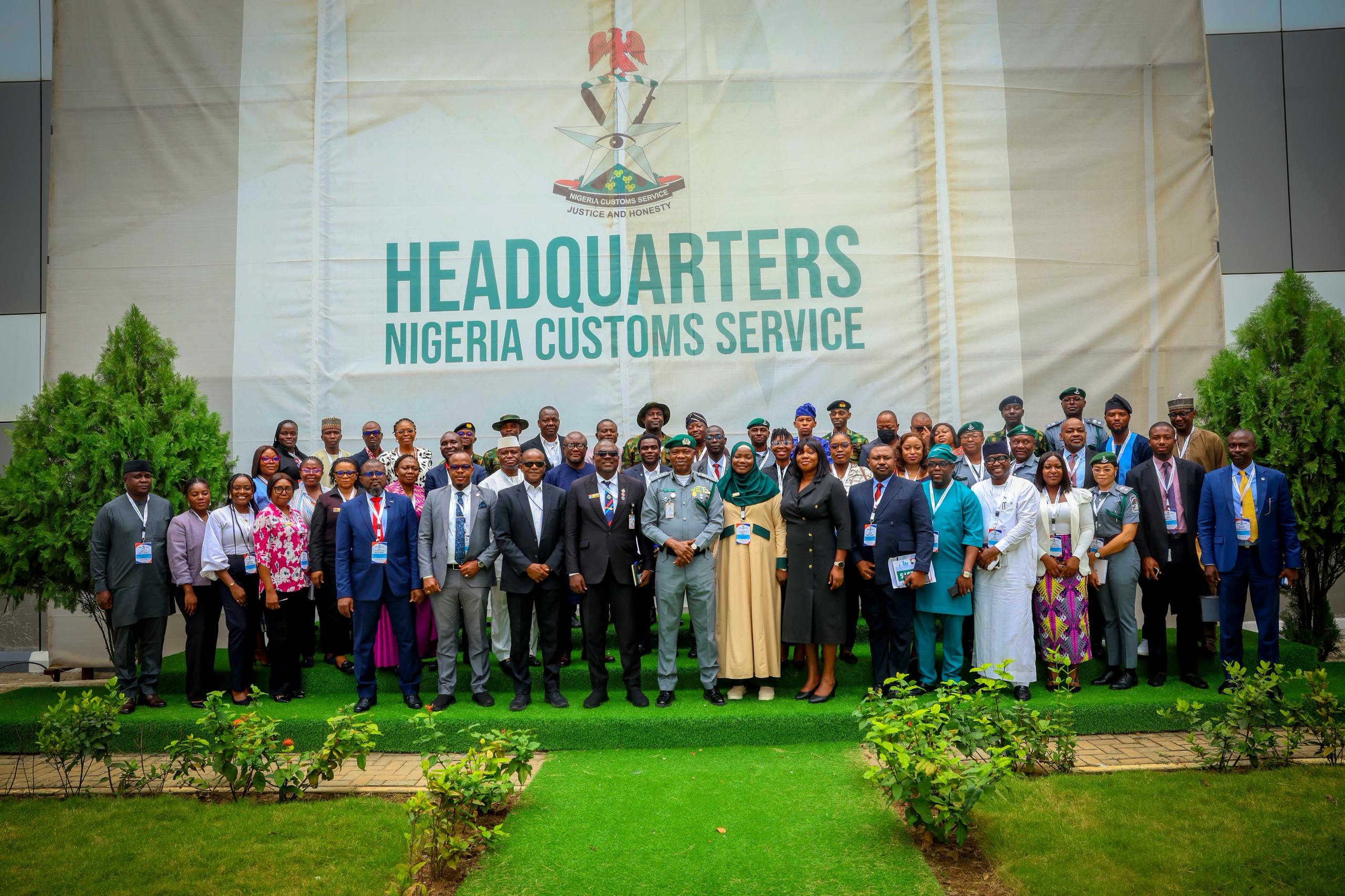
Comptroller-General of Customs, CGC Adewale Adeniyi, made the call on Thursday, May 21 2026, during a study tour by participants of the Operational Level Countering the Financing of Terrorism and Regional Security Course 2 (CFTRSC-OPL2) from the National Defence College, held at the Customs Headquarters in Maitama, Abuja.
Adeniyi commended the growing capacity development within the Service and acknowledged the participation of officers drawn from various formations across the country.
He described Nigeria’s removal from the Financial Action Task Force (FATF) grey list as a landmark achievement that restored investor confidence and bolstered the country’s standing in the global financial system.
The CGC recalled that prior to Nigeria’s exit, bank cards issued in the country faced restrictions on international transactions, dealing a blow to the nation’s economic image abroad.
According to him, the role of Customs has evolved beyond revenue generation and border enforcement, noting that offences such as under valuation, overvaluation, wildlife trafficking, illicit movement of African resources, and other trade-based violations now constitute major financial crimes.
The Comptroller-General noted that the role of Customs has evolved well beyond revenue generation and border enforcement, stressing that offences such as trade undervaluation, overvaluation, wildlife trafficking, illicit movement of African resources, and other trade-based violations now constitute serious financial crimes with national security implications.
Related Posts
He also disclosed ongoing collaboration with the Federal Airports Authority of Nigeria (FAAN), the Nigeria Financial Intelligence Unit (NFIU), and airline operators on the deployment of automated currency declaration systems to tighten oversight and close existing loopholes.
“For us to get ahead of these criminals, we must continue to work together and subject our individual mandates to broader national security objectives,” Adeniyi stated.
Earlier, the Team Lead and Course Director Coordinator of the Counter Terrorism and Counter Insurgency/Countering the Financing of Terrorism (CTCOIN/CFT) Unit at the National Defence College, Dr. Adam Abdullahi, described terrorism financing as the primary lifeline sustaining terrorist networks globally.
Adam stressed the need for collaboration among the Department of State Services (DSS), the Office of the National Security Adviser (ONSA), the Armed Forces, Customs, and other relevant agencies to ensure effective coordination.
“The lifeline of terrorism is financing, and tackling it cannot be done by one institution alone,” he said.
In a technical presentation, the officer in charge of the NCS Anti-Money Laundering/Counter-Terrorism Financing (AML/CTF) Unit, Assistant Comptroller of Customs Mas’ud Salihu, shed light on how criminal networks exploit global connectivity and complex supply chains to move funds and illicit goods across borders.
He reaffirmed the critical role of Customs in enforcing currency declaration policies and intercepting prohibited items, including arms and narcotics, while calling for deeper local and international cooperation to stay ahead of evolving criminal tactics.