

At MARAN Event, Iheanacho Calls for Impactful Reporting
...Highlights Role of Media in Driving Sustainable Maritime Growth
JUNAID ZAINAB
.As Maritime Stakeholders Laud MARAN for Honouring Past Presidents
Former Minister of Interior and maritime industry veteran, Emmanuel Iheanacho, has charged maritime journalists to embrace more impactful, data-driven reporting capable of driving reforms and sustaining growth in Nigeria’s maritime sector.
Speaking through Dr. Emeka Akabogu (SAN) at the ground reception organised by the Maritime Reporters Association of Nigeria (MARAN) in Lagos to honour its past presidents, Iheanacho stressed that the media remains a decisive force in shaping outcomes across the industry.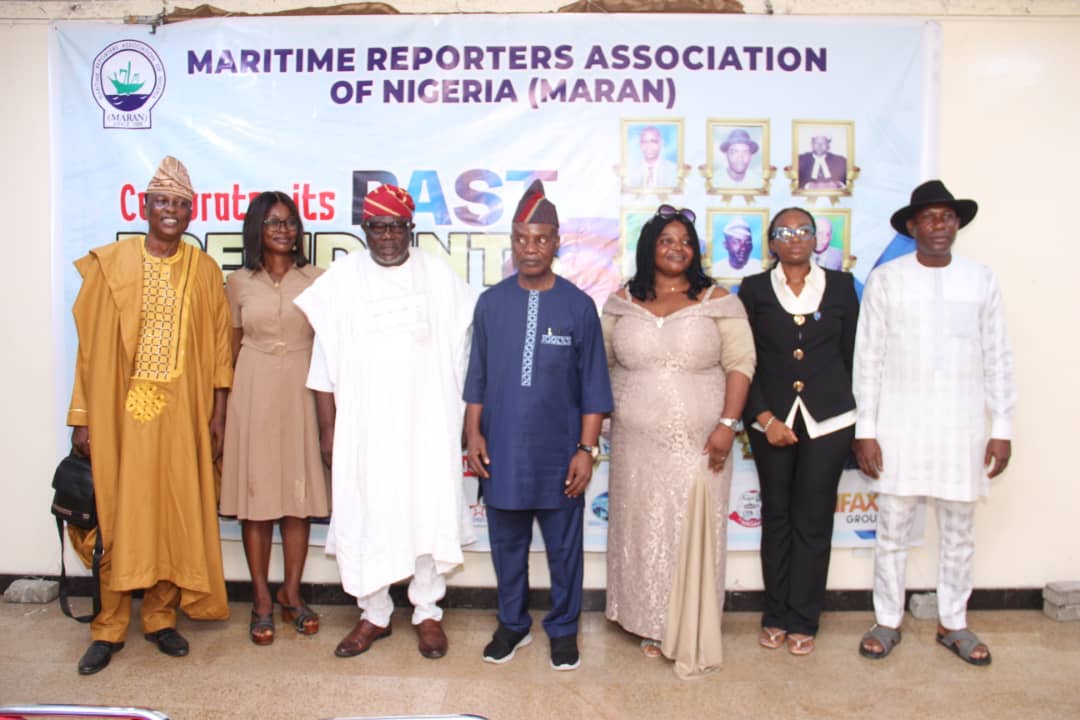
He warned that while accurate and insightful reporting can unlock investment, influence policy, and strengthen institutional accountability, poorly researched or sensational coverage risks distorting realities and undermining investor confidence.
Citing nearly five decades of experience in both private enterprise and public service, Iheanacho outlined four critical pillars through which the media can drive transformation in the sector: agenda-setting, accountability, public enlightenment, and stakeholder alignment.
He noted that sustained media focus on persistent challenges, such as port congestion, high transaction costs, weak infrastructure, and policy inconsistencies, has the power to take these issues into national discourse and compel policy response.

“Industry problems rarely gain traction at policy level without consistent media attention. Reform momentum depends on informed and sustained reporting,” the former Minister said.
On accountability, Iheanacho acknowledged the role of maritime journalists as watchdogs but urged greater professionalism and technical depth.
“A misleading report may damage confidence, unsettle investors, and distort policy debates. Accountability journalism must therefore be rigorous, fair, and evidence-based,” he cautioned.
He also highlighted the need for deeper public education, noting that the maritime sector, despite its central role in trade and economic development, remains poorly understood by many Nigerians.
According to him, simplifying complex policies, leveraging data, and expanding coverage of underreported areas such as inland waterways and coastal economies are essential to building an inclusive and sustainable blue economy.
“The sector cannot reach its full potential if public understanding remains shallow,” he emphasised.
Iheanacho also emphasised the media’s role in bridging gaps among regulators, operators, and government agencies, describing journalists as key enablers of consensus and reform continuity.
“The media is where alignment begins. But beyond reporting, there must be follow-through to ensure commitments translate into measurable outcomes,” he said.
Addressing members of MARAN, he described maritime journalism as a national responsibility, urging practitioners to build expertise, interrogate data rigorously, and maintain credibility.
Related Posts
“Your reporting can either inspire confidence or erode it. The responsibility is significant,” he added.

Also speaking, MARAN’s pioneer president, Alban Opara, traced the association’s history to 1988, a period marked by port congestion and economic reforms under the Structural Adjustment Programme.
He recalled that early maritime journalists operated under challenging conditions without formal accreditation but played a pivotal role in exposing port inefficiencies and high demurrage costs, which contributed to key policy reforms such as the National Shipping Policy and the Cabotage regime.
Opara stated that MARAN was founded not only to protect the interests of maritime journalists but also to position the media as a strategic partner in national economic development.
Additionally, the retired Comptroller of Customs and former Public Relations Officer of Apapa and Tin Can Commands, Alhaji Usman Bello Kankara, commended MARAN for its consistency and contributions over the past 38 years.
Alhaji Kankara, in his goodwill message, described the celebration of MARAN’s past presidents as a recognition of enduring leadership and recalled his long-standing relationship with the association since 1989.
Kankara credited MARAN’s professional engagement for enhancing his effectiveness as a customs spokesperson, noting that it contributed to his recognition as Best PRO of the Nigeria Customs Service in 1999, as well as awards earned by the Tin Can Island Port Command.
Secretary-General of the Abuja MoU on Port State Control, Capt. Sunday Umoren, represented by Engr. Richard Owolabi, said the event underscored the importance of leadership and collaboration in advancing maritime development.
He noted that the recognition of past leaders reflects MARAN’s commitment to professionalism, transparency, and stakeholder engagement within the maritime ecosystem.
Umoren added that the honourees exemplify the resilience required to promote safe, secure, and environmentally sustainable shipping across West and Central Africa, aligning with the Abuja MoU’s mandate.
He pledged closer collaboration with MARAN to support accurate reporting and strengthen the sector’s global competitiveness.
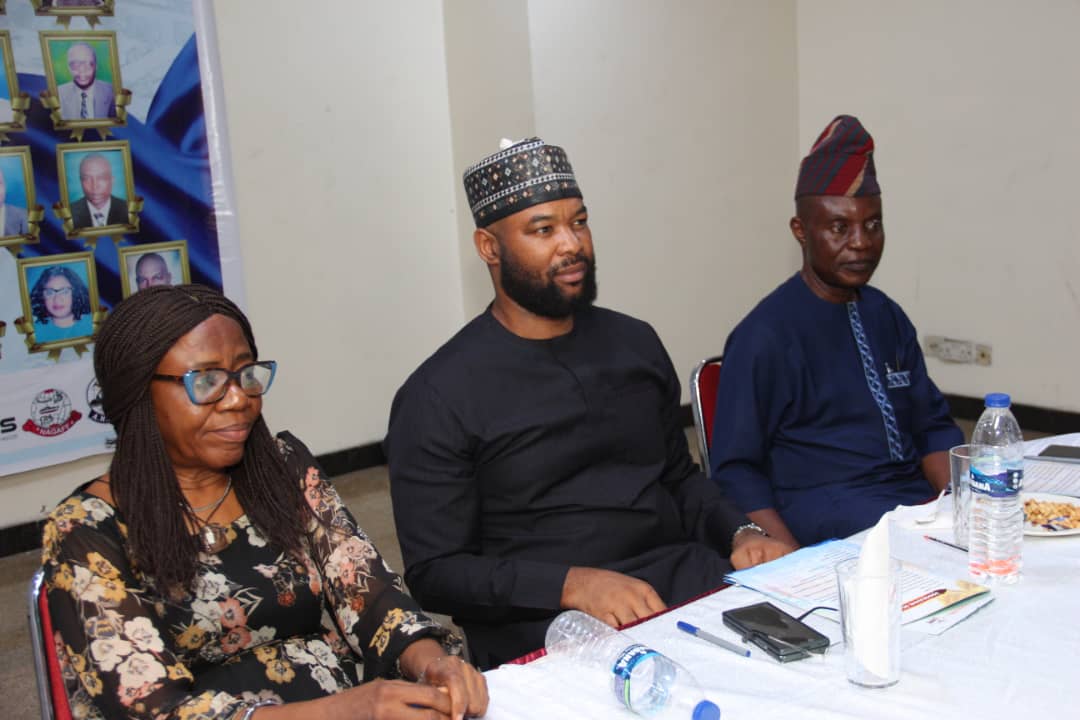
On his part, the Chairman of MARAN’s Caretaker Committee, Mr. Tunde Ayodele, expressed appreciation to stakeholders for their support and reaffirmed the association’s commitment to preserving its legacy.
He said the event was part of efforts to reconnect with MARAN’s roots and honour the contributions of its pioneers, many of whom continue to shape the industry decades after its establishment.
Mr. Ayodele described the past presidents as accomplished professionals who have contributed significantly to national development, urging them to remain actively involved in the association’s growth.
While paying tribute to departed pioneers, the Chairman acknowledged their roles in building the association and advancing the maritime industry, calling for a moment of silence in their honour.
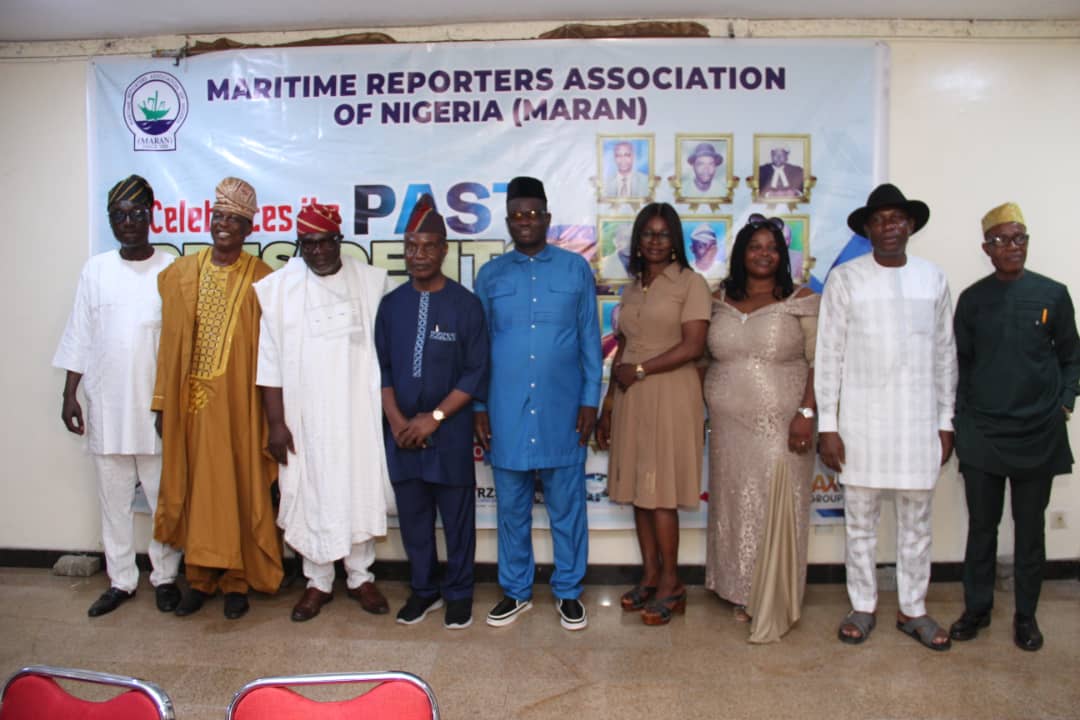
The historic event featured presentation of awards to the past presidents of the association, certificates of recognition to stakeholders, and was graced by representatives of key maritime agencies, including Nigerian Maritime Administration and Safety Agency (NIMASA), the Nigerian Ports Authority (NPA), the Nigerian Shippers’ Council (NSC) and the National Inland Waterways Authority (NIWA), freight forwarders among others.