

Bilateral Customs Cooperation: Nigeria, Malaysia Prioritise Formal Legal Framework as Trade Hits N1.82trn
ZAINAB JUNAID
As bilateral trade between Nigeria and Malaysia continues to expand, reaching approximately N1.82 trillion over a five- year period, the Nigeria Customs Service (NCS) has advanced its strategic engagement with the Royal Malaysian Customs Department (RMCD).
The two administrations agreed to initiate processes toward establishing a Mutual Recognition Agreement guiding bilateral customs cooperation, under the framework of the World Customs Organisation (WCO), to be pursued through appropriate diplomatic channels.
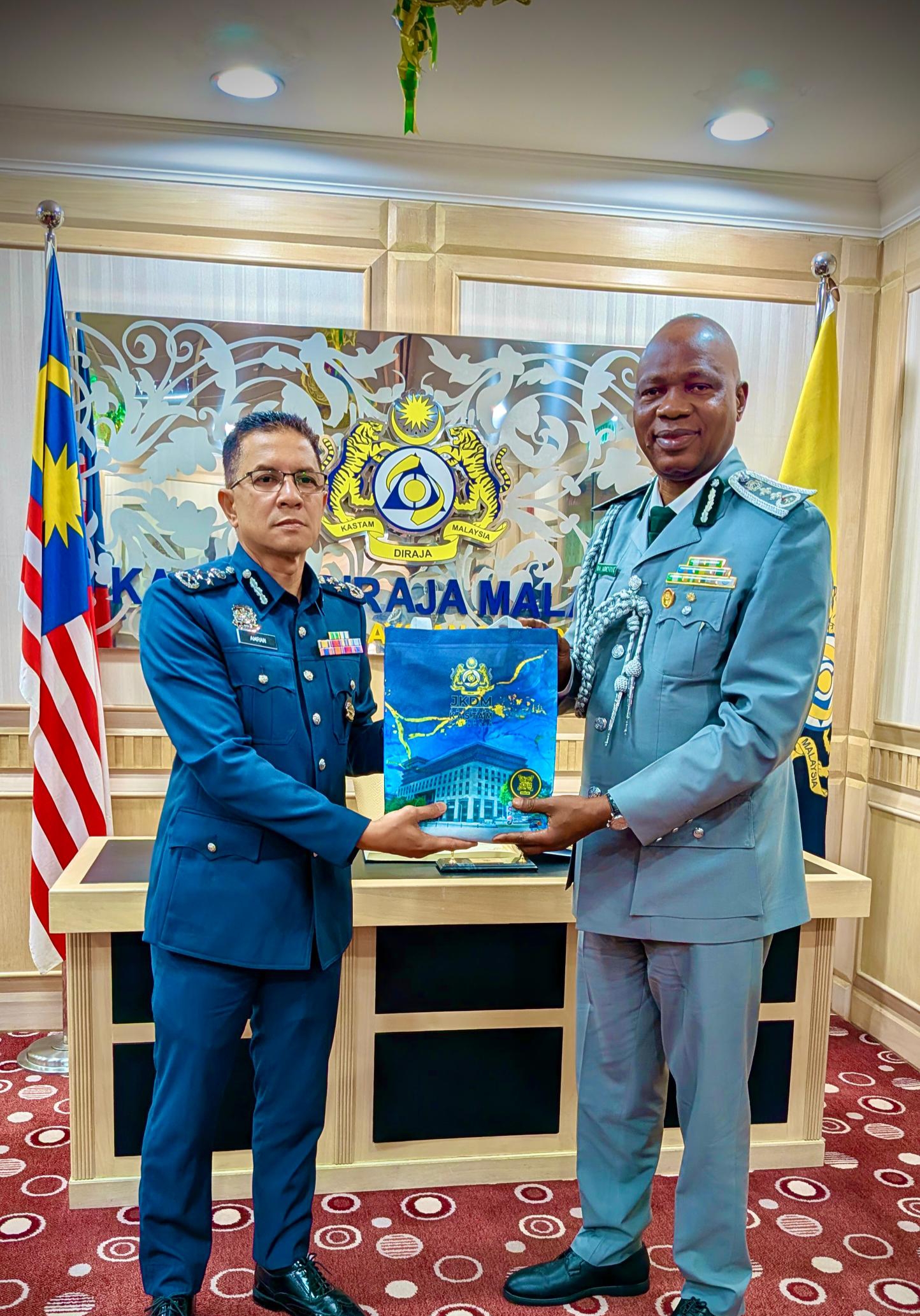
During an official visit by the Comptroller-General of Customs, Bashir Adewale Adeniyi, MFR, to the Director-General of the Royal Malaysian Customs Department, Dato’ Haji Amran bin Haji Ahmad, at the RMCD Headquarters, both Customs Chiefs acknowledged the absence of a formal legal framework to guide bilateral customs cooperation despite longstanding trade relations.
They, however, agreed that establishing such a framework would provide a structured basis for engagement, strengthen mutual trust, and support reciprocal cooperation between the two administrations.
Their engagement focused on institutional collaboration, customs modernisation, and coordinated border management frameworks to strengthen efficiency and regulatory integrity.
While speaking, CGC Adeniyi noted that Malaysia remains a significant trading partner to Nigeria, with key imports including crude palm oil, refined palm olein, jet A1, food preparations, machinery, and other industrial inputs.
Related Posts
He also underscored the critical role of customs administrations in facilitating legitimate trade while safeguarding national economic and security interests.
While the Royal Malaysian Customs Department presented its evolving border management architecture, including the establishment of the Malaysian Border Control and Protection Agency (AKPS) as an integrated frontline border control body, the Comptroller-General of Customs, Adewale Adeniyi highlighted the Nigeria Customs Service’s Authorised Economic Operator (AEO) programme and other trade facilitation frameworks designed to ensure predictable clearance processes, reduce transaction costs, and strengthen compliance.
The two administrations emphasised the importance of deeper collaboration in intelligence sharing, enforcement coordination, and technology-driven border management, particularly in addressing illicit trade and transnational trafficking.
CGC Adeniyi reiterated the Service commitment to strengthening bilateral and multilateral partnerships as part of its broader modernisation agenda, maintaining that outcomes from this engagement will enhance operational capacity, improve trade facilitation, and reinforce border security while supporting Nigeria’s economic growth objectives.
The visit, which took place on the sidelines of the CGC’s participation at DSA Malaysia 2026, comes against the backdrop of expanding bilateral trade, with Nigeria’s imports from Malaysia increasing from NGN159.9 billion in 2020 to NGN716.0 billion in 2024, and cumulative trade value reaching approximately NGN1.82 trillion over a five-year period.
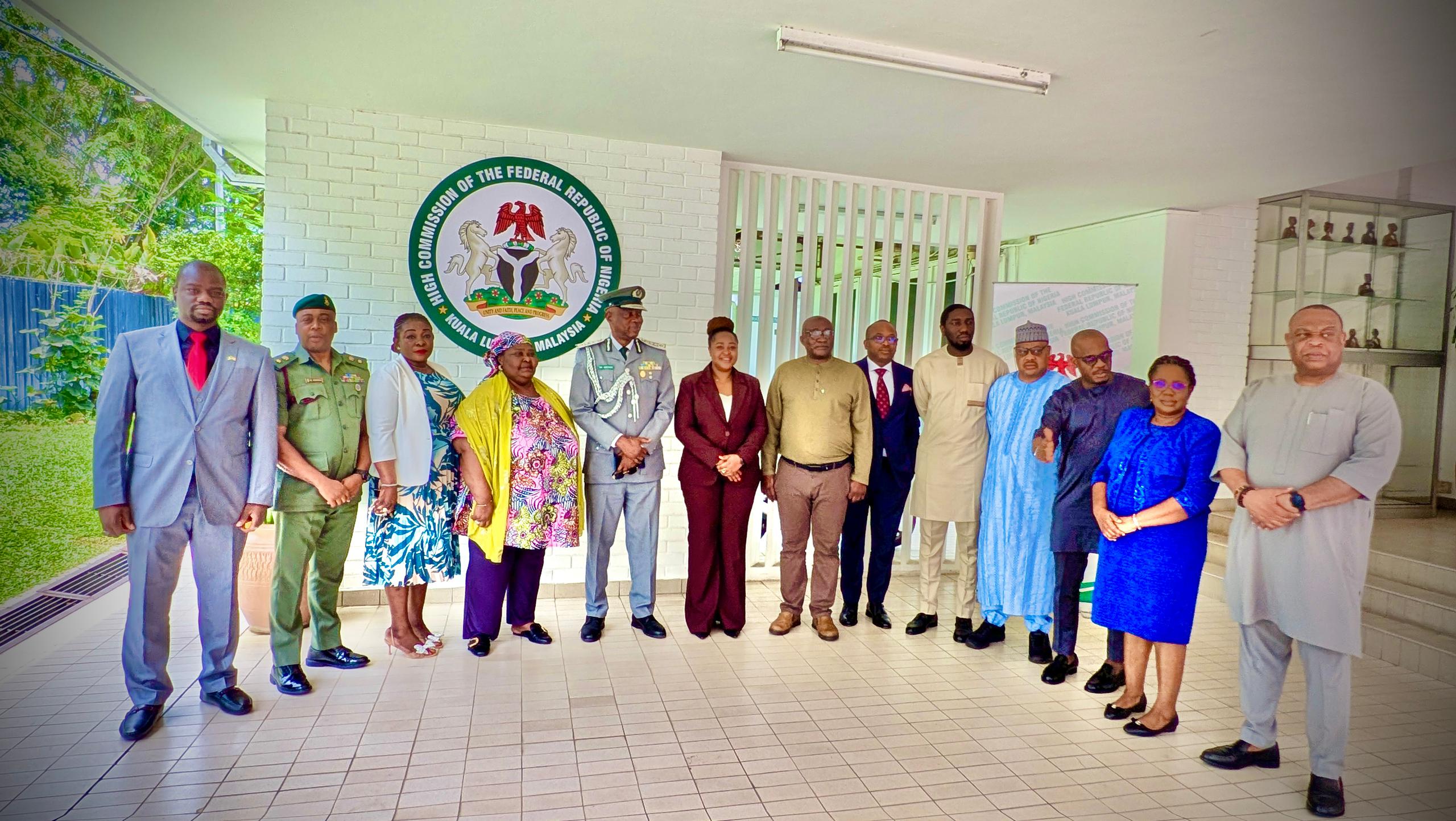
Also, as part of ongoing efforts to deepen institutional collaboration, the CGC visited the Nigerian Diplomatic Mission and Defence Office in Malaysia, commending their roles in advancing Nigeria’s interests and supporting nationals abroad.