

“Sustainable Border Management Requires Active Cooperation, Economic Empowerment of Host Communities” DC Afeni emphasises at FAED 2026
ZAINAB JUNAID
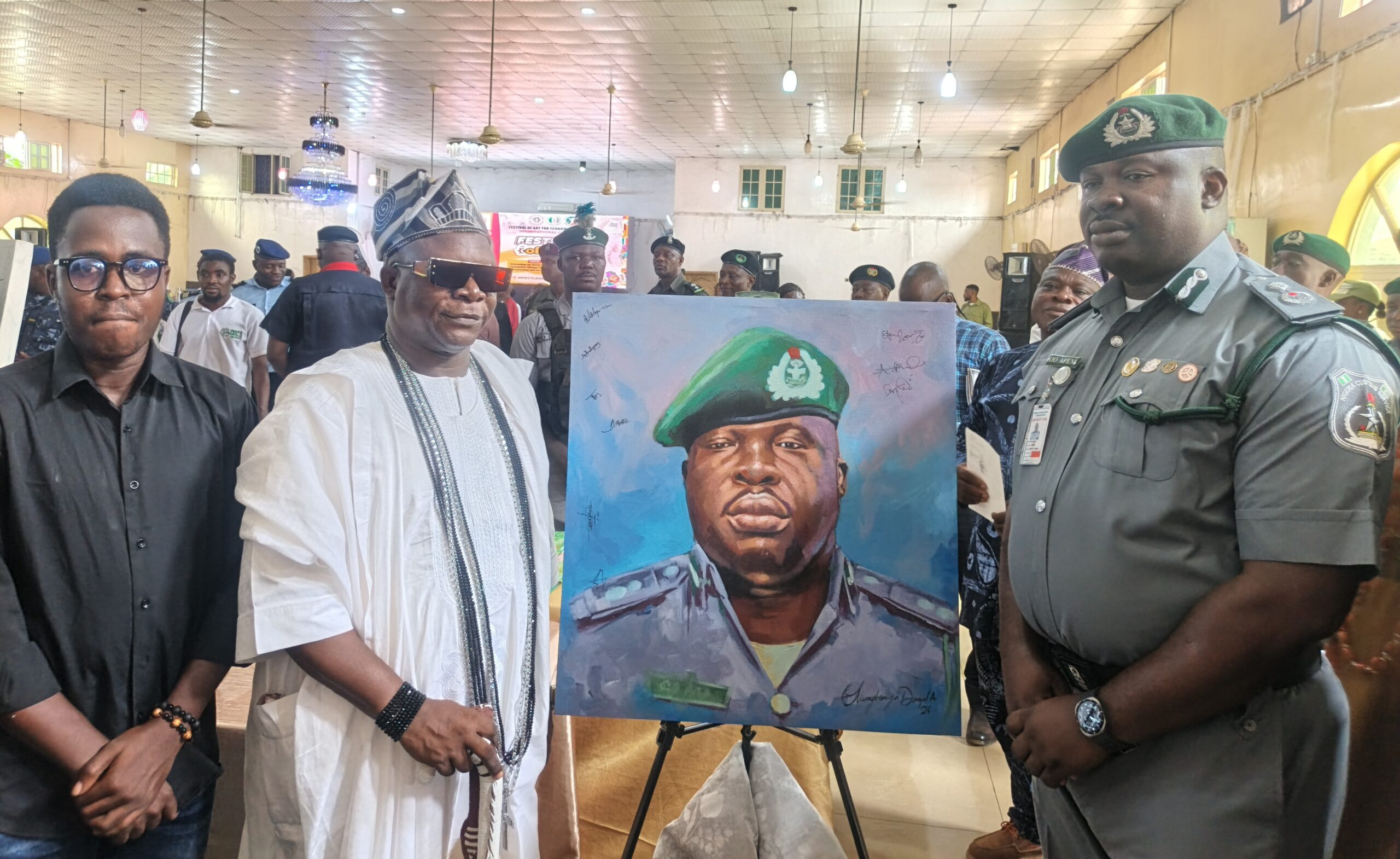
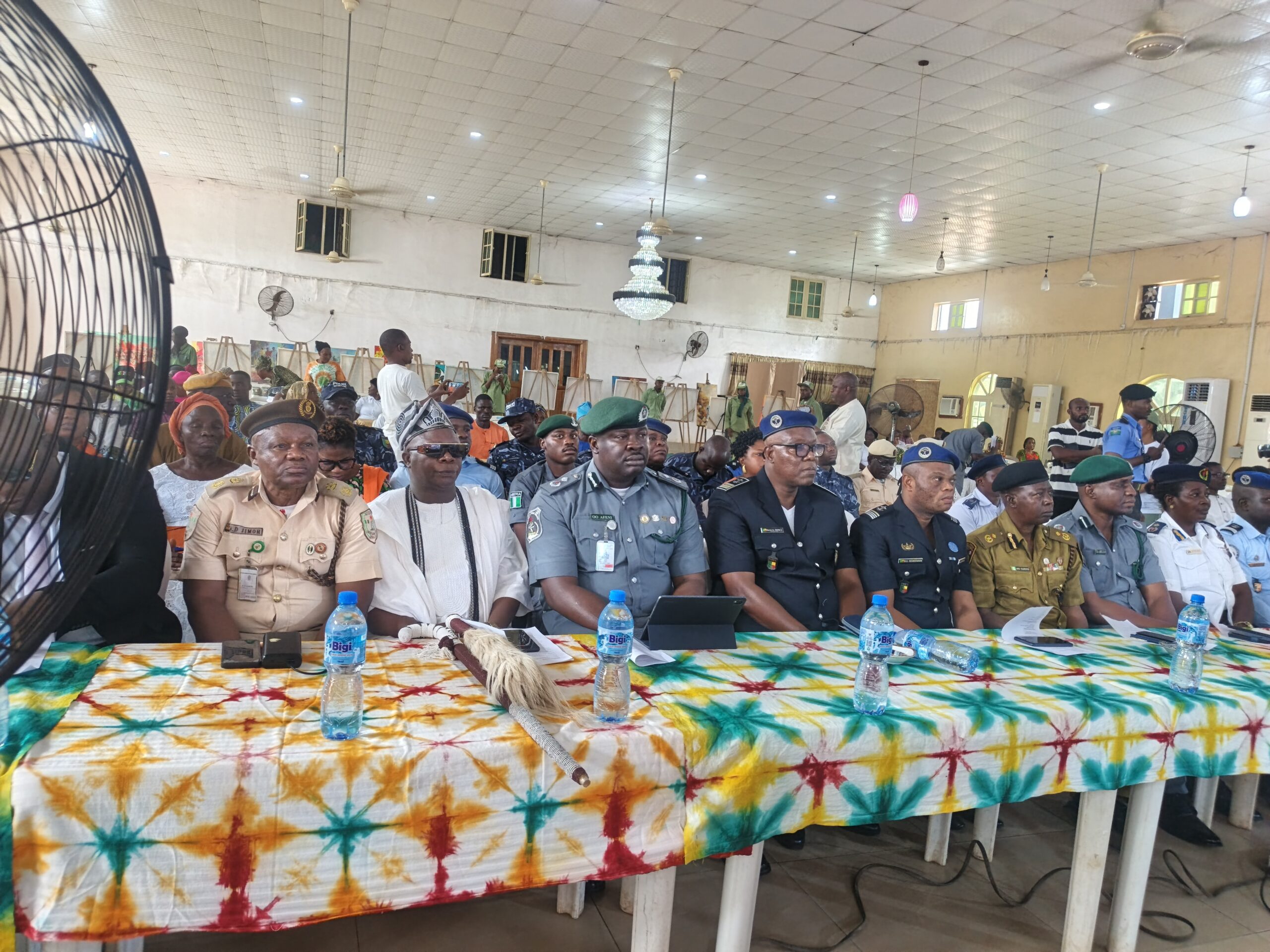
The Acting Customs Area Controller of the Nigeria Customs Service, Ogun I Command, Deputy Comptroller Olukayode Afeni, has emphasised the importance of active cooperation and economic empowerment of host communities in achieving sustainable border management at the fifth edition of the International Colloquium of the Festival of Art For Economic Development (FAED), held on Thursday, 12 February 2026, at Mercy Land Hotel, Idiroko.
DC Afeni made the emphasis while declaring the international colloquium open, noting effective border security cannot be achieved through enforcement alone but economic empowerment of the community residents, cross- border cooperation and trust.
He stressed that when border communities thrive through legitimate economic activities and skills development, they become partners in national security rather than unwitting collaborators in illicit- cross border trade.
“This understanding has shaped the Nigeria Customs Service’s approach to community engagement, moving beyond traditional enforcement roles to embrace a holistic strategy that combines regulatory functions with social responsibility”.
While speaking on the theme, “Rebranding Borderline Communities through Creative Empowerment and Entrepreneurship” DC Afeni said it aligns with the Nigeria Customs Service’s commitment to supporting legitimate trade, encouraging value addition, and promoting small-scale enterprises as drivers of economic growth and border stability.
He noted that it reflects the shared understanding of sustainable border management which extends beyond enforcement to include cross-border cooperation, economic empowerment, and entrepreneurship development within Nigeria’s border communities.
The acting Controller also praised the Nigeria-Benin Inter-Border Forum’s efforts in boosting diplomacy and cooperation between the two countries.
He highlighted their role in promoting preventive diplomacy, dialogue, and operational cooperation, led by Permanent Secretary Dr. Bonny Abisogun Botoku.
While fielding questions from journalists, the Acting DC emphasised that the programme is part of the Nigeria Customs Service’s (NCS) “Customs Cares” initiative which goes beyond enforcing fiscal policies with guns, promoting economic self-reliance and diverting people from illicit trade. “As you can see, we have trained some people in cassava production (Garri), tie and dye, painting and catering, this is to make them more of a better citizens, divert them from illicit trade”.
He urged graduates to represent the program positively and share its impact, highlighting the NCS’s commitment to community development.
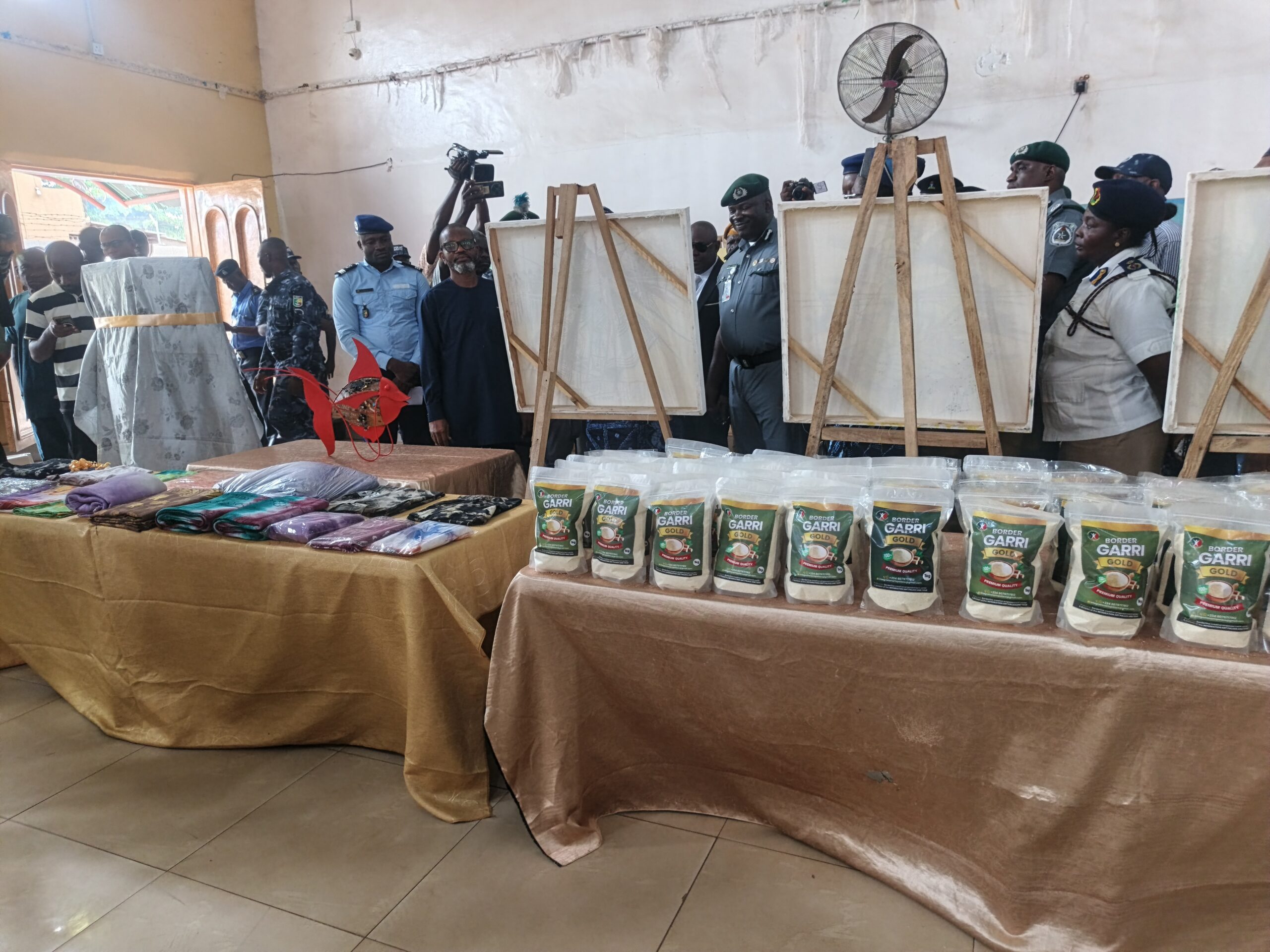
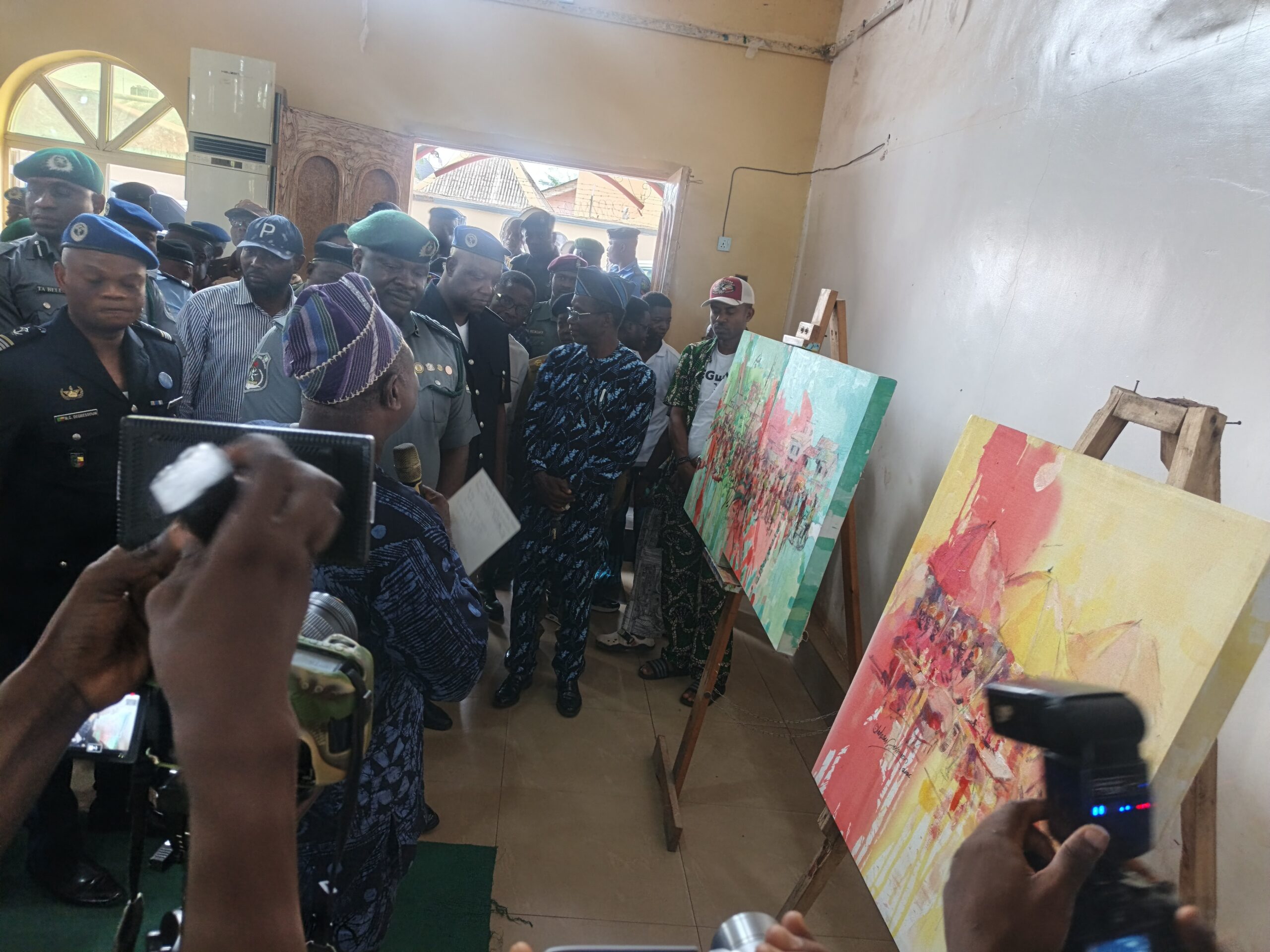
Afeni stressed that the empowerment programmes and entrepreneurship initiatives embedded in the festival, shows practical pathways to reducing illicit activities, strengthening lawful commerce, and fostering inclusive economic opportunities for the people.
“The Nigeria Customs Service remains committed to partnerships that promote peaceful borders, resilient economies, and sustainable regional integration,” he said.
DC Afeni further commended the Executive Producer and the Organising Committee for the laudable initiative, urging participants to utilise the opportunity to engage in fruitful deliberations.
Related Posts
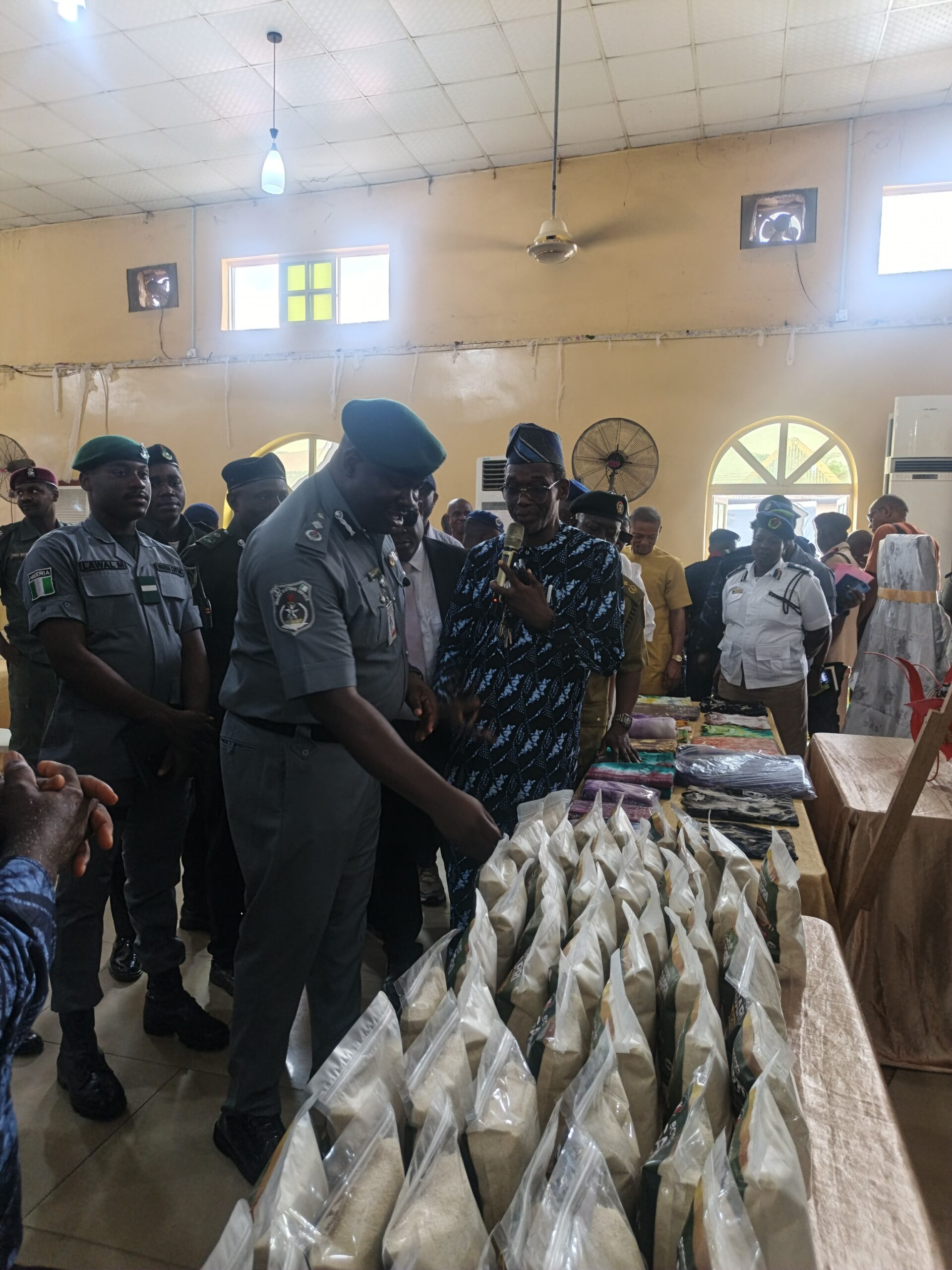
While fielding questions from journalists, the Acting DC emphasised that the programme is part of the Nigeria Customs Service’s (NCS) “Customs Cares” initiative which goes beyond enforcing fiscal policies with guns, promoting economic self-reliance and diverting people from illicit trade. “As you can see, we have trained some people in cassava production (Garri), tie and dye, painting and catering, this is to make them more of a better citizens, divert them from illicit trade”.
He urged the beneficiaries to represent the program positively and share its impact, highlighting the NCS’s commitment to community development.
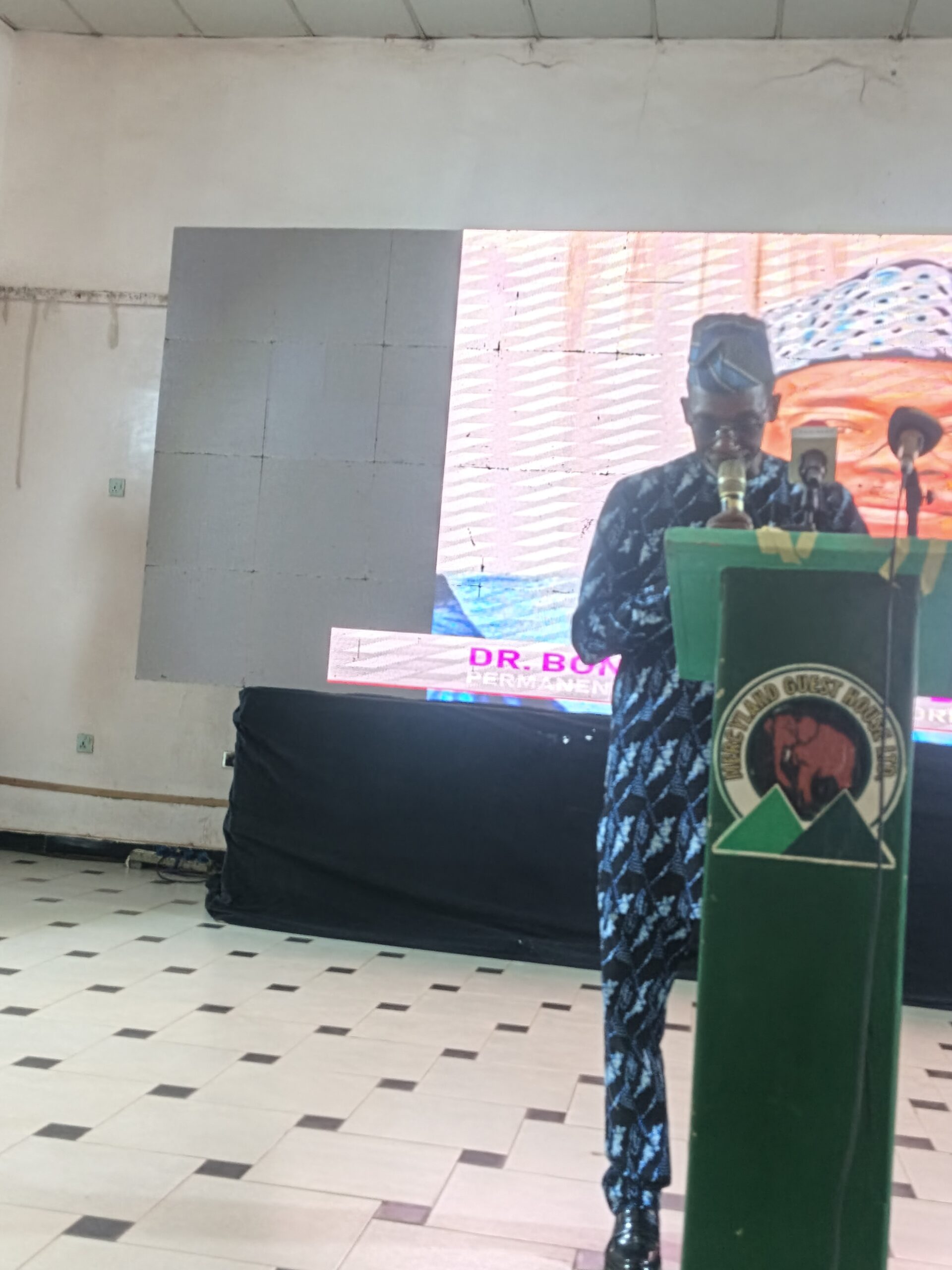
In his welcome address, Dr. Bonny Abisogun Botoku, organiser of the event and also the Permanent Secretary of the Joint Border Forum, expressed delight for the success of the colloquium, and large turnout of participants, noting FAED 2026 is designed to further position art, culture and creative enterprise as practical tools for economic development, peace building and regional integration, particularly within border areas that serve as cultural and commercial gateways.
He said the initiative is not just an event but a movement. “It is a statement of belief—that border communities are not problems to be managed, but potentials to be unlocked,”.
To him, border communities across Africa have been spoken about only in the language of risk which includes smuggling, insecurity, informality, and marginalisation.
“But those of us who live and work at the borders know a deeper truth. Borders are not just lines on maps. They are meeting points of culture, gateways of trade, and spaces of shared history. The Nigeria–Benin border is not a dividing line—it is a shared civilization,” he stressed.
Dr Botoku emphasised further that Culture should be seen as power and not be treated only as entertainment enjoyed after “serious matters” have been deliberated.
“Here at FAED, we reject that thinking. Culture is power. Culture is identity. Culture is economic capital. Through art, music, fashion, crafts, food systems, and storytelling, communities rediscover pride, cohesion, and voice,” he noted.
The organiser told journalists that 60 people applied for the training programme with 35 having graduated and 25 more set to start after the art exhibition.
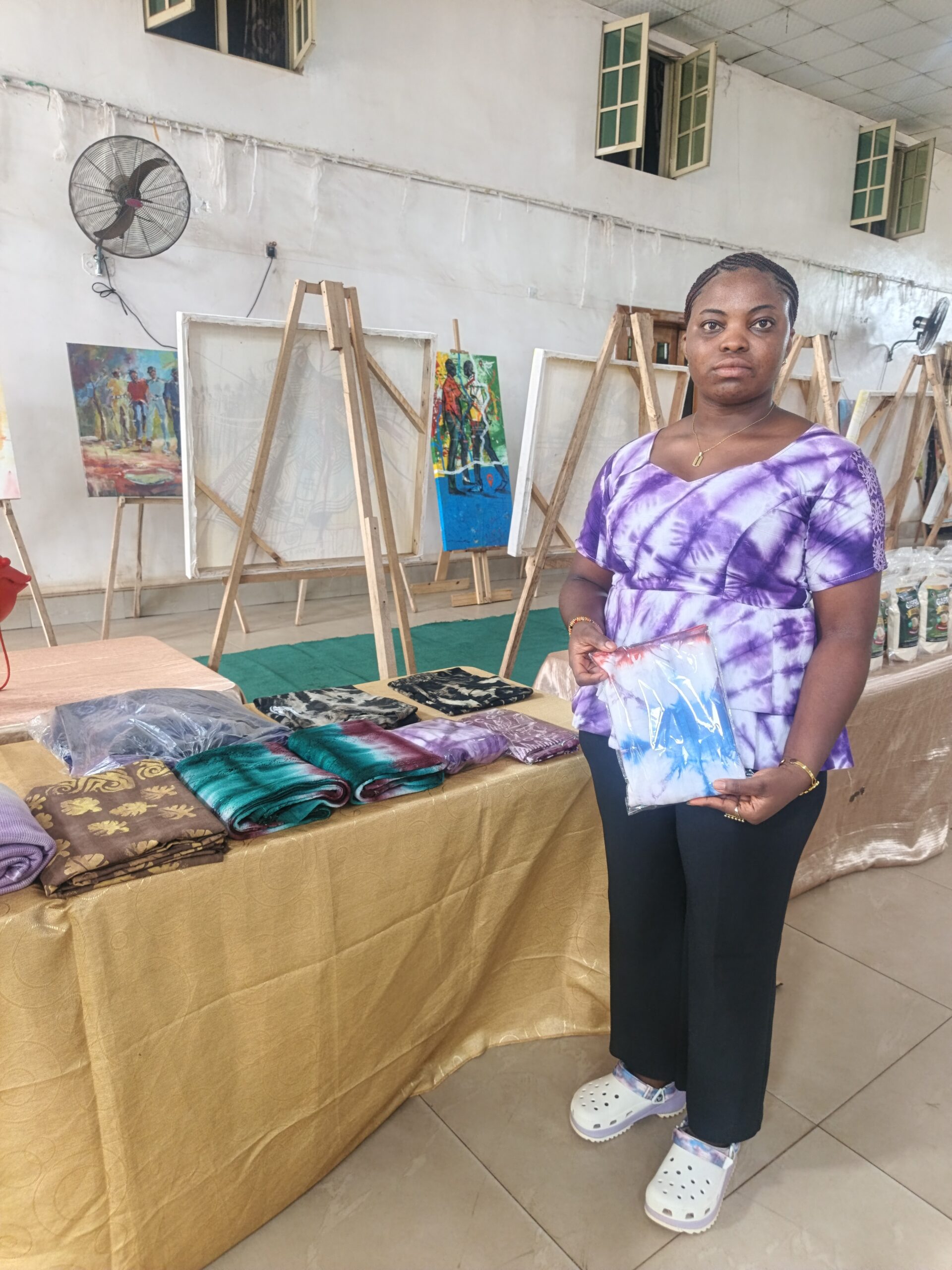
Deborah Chiamaka Nwagene, a beneficiary of the training, commended the organisers and the Nigeria Customs Service for their efforts in empowering the youths of the community.
She said, “I actually heard about the programme at the church. Being a fashion designer, I applied for it, I did not pay anything. I was really happy when I was selected and I really gained alot in the last six months from the training. Now I can train more people in campala, tie and dye. I’m ready to encourage them more on vocational training, rather than engaging in illicit act. So that they can be useful to themselves. We did not pay anything”.
The festival which was organised by Integration Art Palace &Tour and sponsored by the Nigeria Customs Service, Ogun I Area Command, brought together key Stakeholders from Idiroko and neighbouring border communities, including, sister security agencies, traditional rulers, cultural practitioners, representatives of the Benin Republic, and other stakeholders, who engaged participants on how creative empowerment can drive sustainable economic development and integration in border communities.