

Customs Deepens Stakeholder Engagement to Improve Excise Compliance, Revenue Growth at LIAC
ZAINAB JUNAID
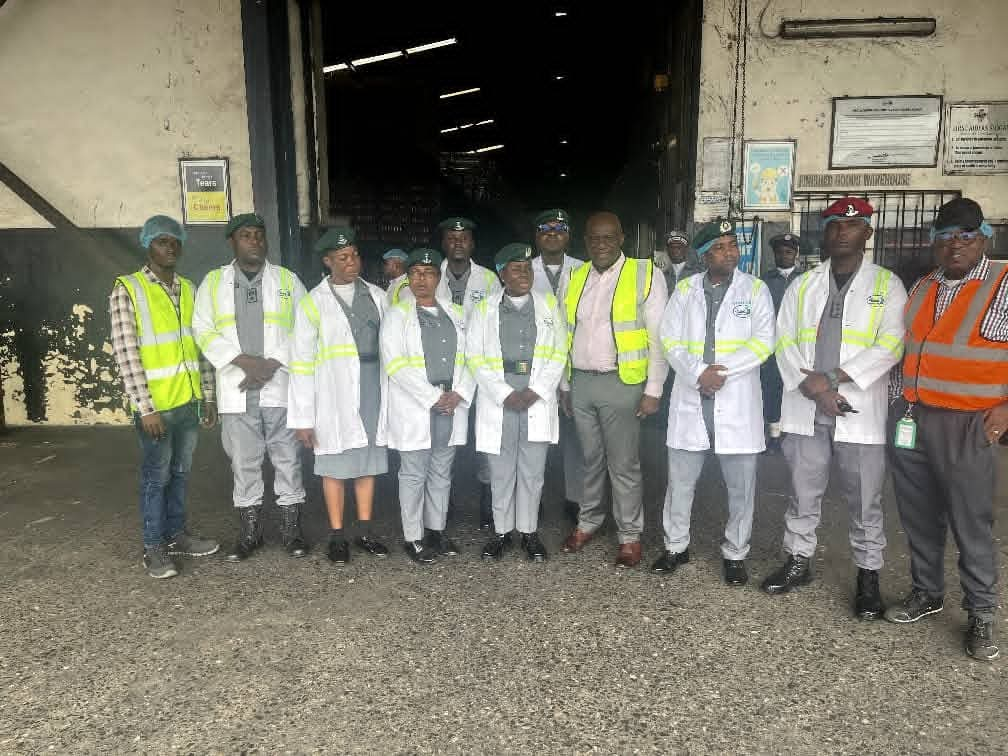
The Nigeria Customs Service, Lagos Industrial Area Command (LIAC) has intensified efforts to boost excise revenue collection and improve compliance through a series of familiarisation visits and sensitisation engagements with key industry players.
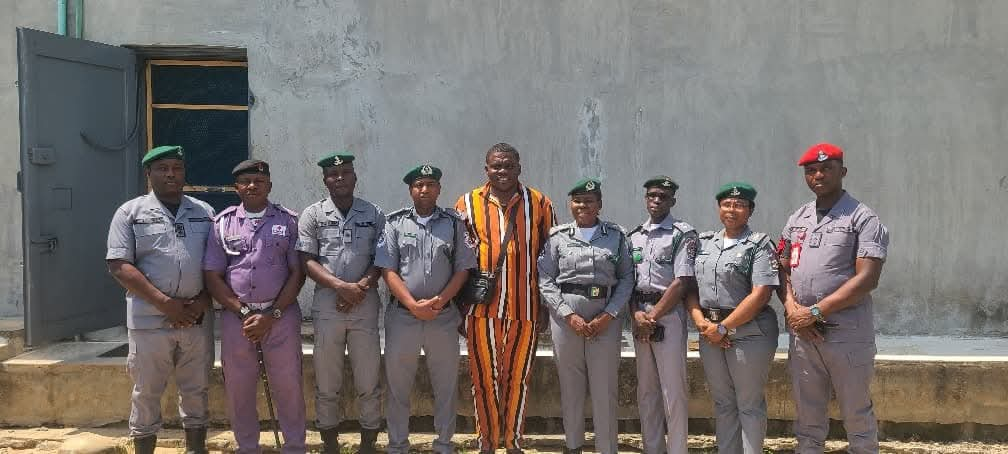
According to a statement signed by the Command’s Public Relations Officer, Superintendent of Customs Juliana Tomo, the visits which began from Tuesday, 4 November and concluded on the 2nd of December 2025, was led by the new Customs Area Controller, Comptroller Adebola Salawu, as part of broader strategy to strengthen collaboration with excise-paying stakeholders and also improve the Command’s overall revenue performance.
At the sensitisation meetings, Comptroller Salawu reviewed stakeholders’ revenue payment processes and stressed the need for timely and accurate remittance of excise duties in line with extant regulations.
She also reaffirmed her commitment to contributing meaningfully to Nigeria’s economic advancement, describing it as a patriotic responsibility.
Related Posts
The Area Controller urged stakeholders to embrace transparency and compliance in their operations, noting the importance of collaboration in achieving sustainable revenue growth.
She encouraged them to fully utilise the Unified Customs Management System, (UCMS) codenamed “B’Odogwu”, for real-time excise duty payments.
According to Comptroller Salawu, the B’Odogwu platform is designed to ensure seamless, transparent and efficient excise duty payments. However, Payment delayed could attract penalties as contained in the Nigeria Customs Service Act 2023, including a 10 per cent surcharge on late excise duty payments with additional sanctions for trade violations.
Comptroller Salawu further highlighted several trade facilitation tools introduced by the Service to promote ease of doing business and strengthen partnerships with the private sector.
‘These include-export facilitation processes, the one-stop-shop initiative, Authorised Economic Operators programme, Advance Ruling and several opportunities under the African Continental Free Trade Area,” She stated.