

Nigeria Customs Engages Stakeholders on Automated Transire Process at Apapa Command
ZAINAB JUNAID
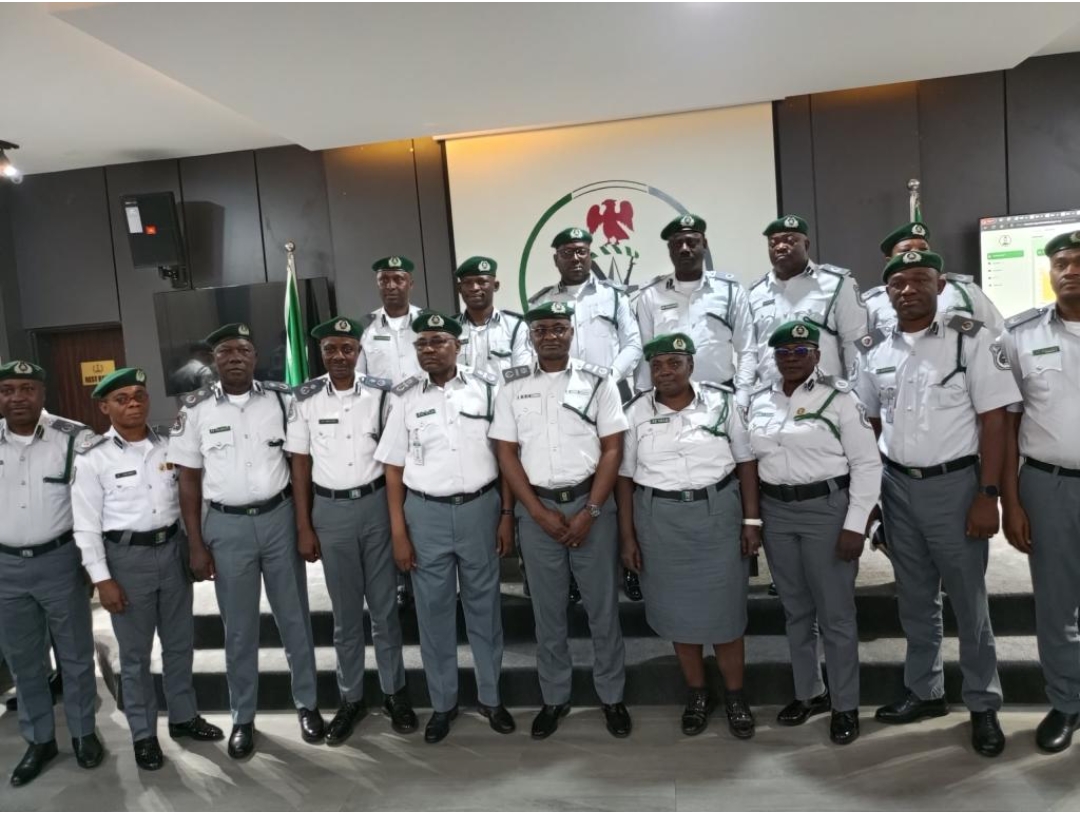
The Nigeria Customs Service, NCS, has taken another significant step towards modernizing it’s operations by engaging Stakeholders on the deployment of Automated Transit Process at the Apapa Command on Monday, March 10, 2025.
This groundbreaking initiative aims to improve movement of goods across Nigeria’s borders, leveraging cutting-edge technology to reduce clearance times, minimize cargo diversion risks, and enhance supply chain efficiency.
During the meeting with the Stakeholders, Zone A Coordinator, ACG Charles Orbih emphasized the importance of this technological upgrade, stating it is a strategic shift designed to position Nigeria at the forefront of global trade efficiency, security, and transparency.
The ACG, who represented the Comptroller General of Customs, Bashir Adewale Adeniyi MFR at the meeting, acknowledged the valuable contributions of all Stakeholders in the sector, ranging from the Bonded Warehouse Representatives, Terminal Operators, Shipping Lines, Transport and Badge Operators.
“Your dedication and expertise are vital to the success of our collective efforts in modernizing Nigeria Customs operations. We have come together today to discuss a transformative milestone that is set to revolutionize the way we operate – The Automated Transit Process.
“This is not just a technological upgrade; it is a strategic shift designed to position Nigeria at the forefront of global trade efficiency, security, and transparency,” he stated.
To him, the new process is designed to improve the movement of goods across Nigeria borders by leveraging state-of-the-art technology. “Our goal is simple: to reduce the time and complexity involved in customs clearance, minimize the risks of cargo diversion, and ultimately improve the efficiency of our supply chain,” he said.
He elucidated more on several key objectives of the new initiative stating,
Related Posts
Speeding up customs clearance: By automating transit processes, we can reduce bottlenecks, shorten clearance times, and provide faster access to goods. This means less waiting time at ports and terminals, which benefits importers, exporters, and everyone in the logistics chain.
Reducing the risk of cargo diversion and improving tracking: With real-time tracking and data transparency, the risk of cargo being diverted or lost will be significantly minimized. We can ensure that every shipment is tracked accurately from point A to point B, boosting confidence among stakeholders.
Increasing transparency and accountability: The new system offers greater visibility into every step of the customs process, which means there will be fewer opportunities for corruption or errors. This will foster trust between customs and our partners, ensuring compliance with best practices and global standards.
Promoting international best practices: By embracing automation, we will not only enhance local operations but also align with global standards. This will facilitate smoother trade relationships with our international partners and increase Nigeria’s attractiveness as a trade destination.
“The benefits of the Automated Transit Process are far-reaching, including but not limited to increased efficiency, reduced operational costs, improved revenue collection, enhanced security and reduced risks; the system will help combat smuggling and illicit trade by providing real-time insights into the movement of goods. This makes it easier for us to identify irregularities, enhance border security, and safeguard national interests.
“Furthermore, Automated Transit Process will Strengthened accountability and transparency by removing manual processes and introducing automated checks, we ensure a level of transparency that will be beneficial to all parties involved. Importers, exporters, and logistics companies will be able to track their shipments in real-time, eliminating uncertainties and promoting trust,” he explained.
To ensure a smooth transition, the ACG re-emphasized the importance of collective actions to achieve a common goal, continuous dialogue, training and support.
This collective effort, he said, will help make the automated transit process a success, positioning Nigeria as a key player in global trade while maintaining an efficient, transparent and accountable environment for all Stakeholders.