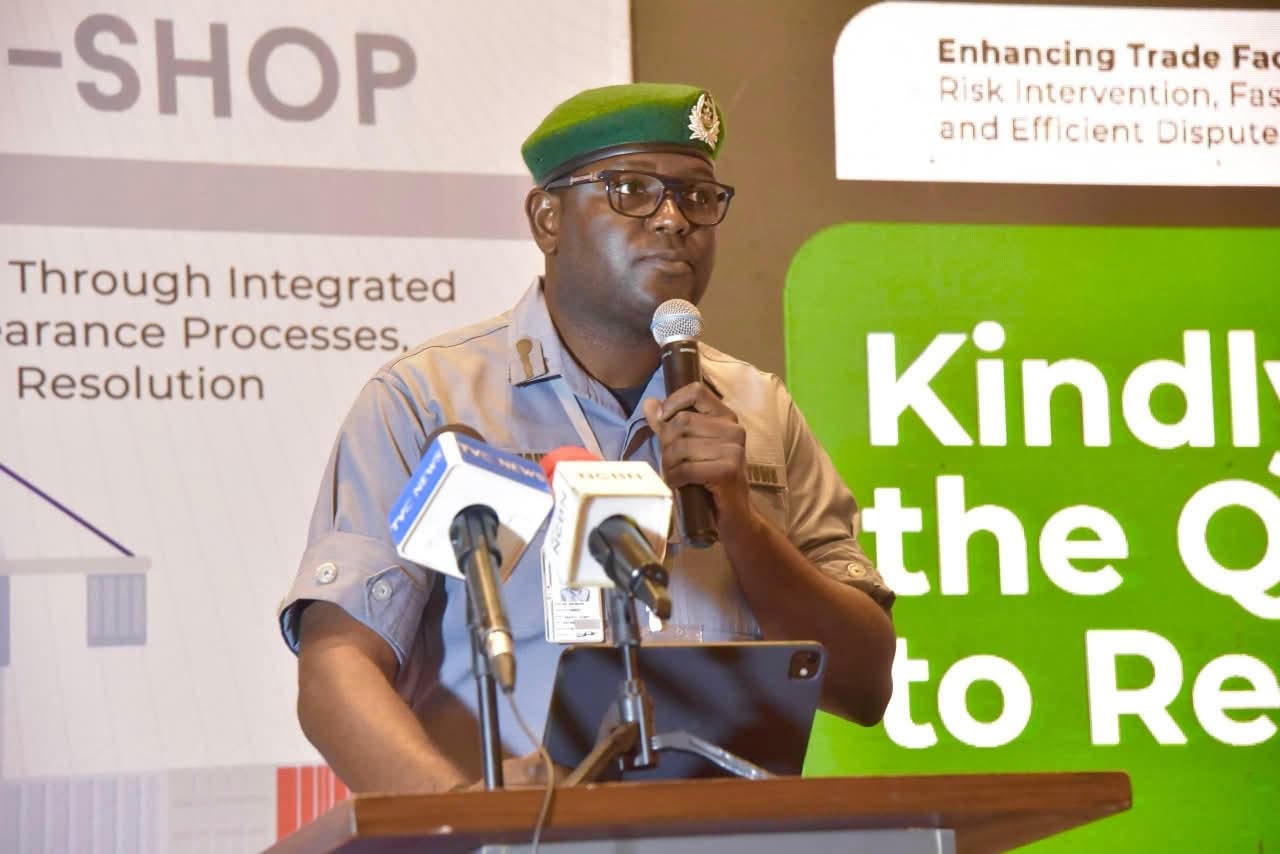

Nigeria Customs Targets 48 Hours Cargo Clearance with One-Stop-Shop Initiative
.Moves to Improve Cargo Dwell Time

In a bold move to significantly improve cargo dwell time within Port environments, the Nigeria Customs Service (NCS) has unveiled its One-Stop-Shop (OSS) initiative, on Friday, 13 February 2026, at Marriot Hotel, Lagos, targeting 48 hours clearance time, reducing compliance costs and boosting revenue assurance.
This reinforces the Service’s commitment to transparency, trust, and fair processes with its stakeholders.
The OSS initiative is designed as a unified operational framework that centralises all risk interventions within a coordinated digital and physical environment, replacing fragmented processes with an integrated clearance system.
It brings together valuation, Customs Processing Centres, intelligence, enforcement, compliance monitoring, and gate operations into a single workflow, supported by digital tracking and clearly defined escalation paths.
In his keynote address, the Comptroller General of Customs, CGC Bashir Adewale Adeniyi MFR, described the unveiling as a special sense of continuity and purpose which marked a new phase in the Service’s relationship with the trading community.
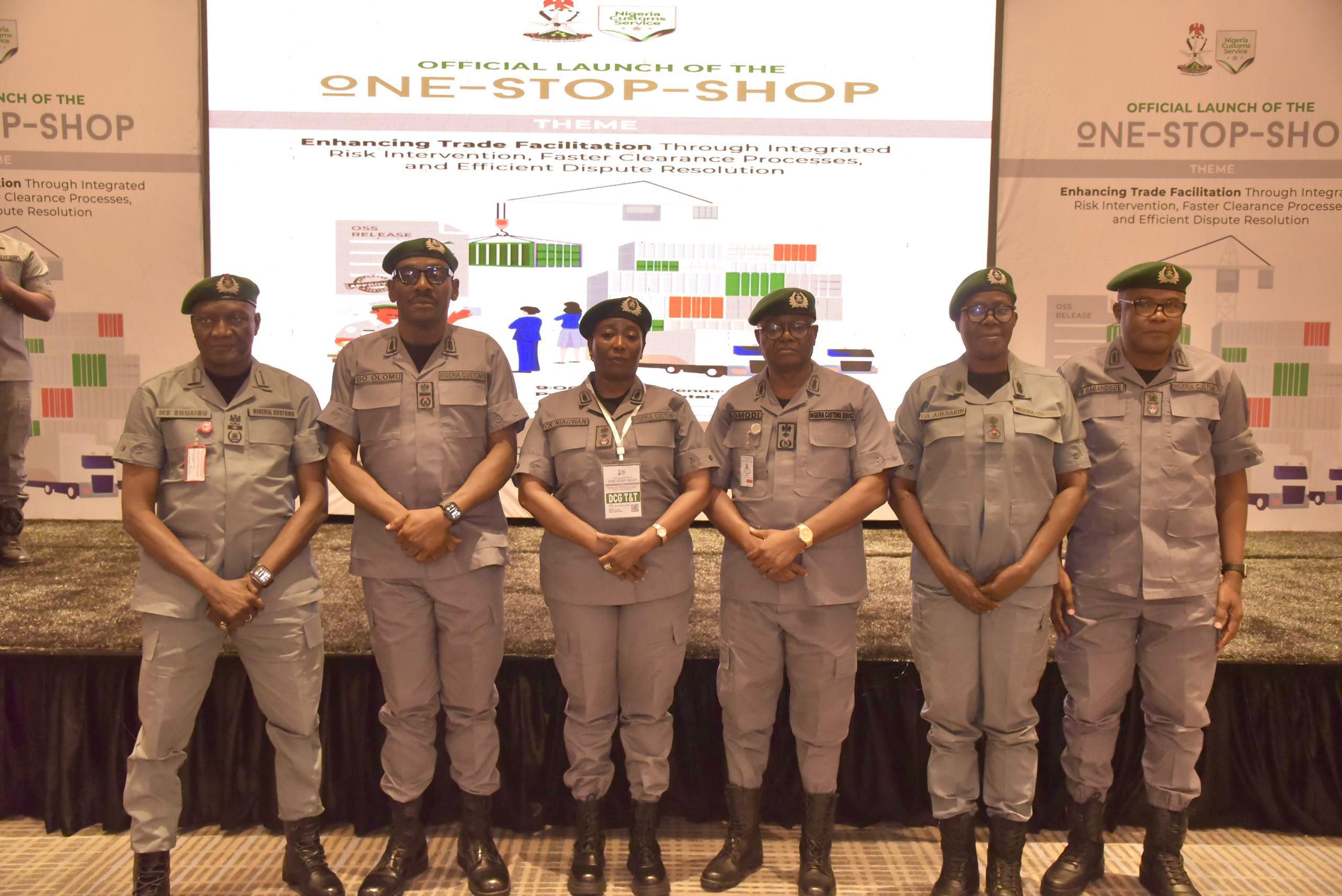
He noted that unveiling the platform on Valentine’s eve is a deliberate purpose to deepen trust, boost transparency, and reinforce fair processes.
Adeniyi termed the move as a “One Valentine, One Initiative”, a year after year tradition of introducing new reform under the leadership of President Bola Ahmed Tinubu, underscoring the Service’s commitment to reforms, care, reliability and accountability.
“In that spirit, the idea of “One Valentine, One Initiative” captures our resolve to keep building systems that reward trust and improve service delivery, year after year,” he said.
The CGC noted that the OSS initiative aims to reduce clearance time by eliminating duplicated reviews and sequential inspections, supporting a 48-hour clearance target and improving significantly on historical dwell times.

Adeniyi said the OSS will also lower compliance costs by minimising physical interfaces and discretionary interventions.
Related Posts
“It strengthens revenue assurance through improved profiling, intelligence integration, and coordinated enforcement, and will enhance transparency through digital audit trails and systematic performance monitoring.
“The system will align post-clearance controls with international best practice by assigning such interventions primarily to the Post Clearance Audit Unit, thereby reinforcing consistency, accountability, and regulatory discipline across the clearance cycle,” the Customs Boss stated.
He informed that the Service is advancing towards a paperless Customs environment as the first phase of the OSS transition, covering core clearance, documentation, and approval processes, would be rolled out by the end of the second quarter of this year.
“This initiative will further reduce physical interfaces, enhance data integrity, improve processing speed, and strengthen audit controls”.
Speaking further, he said the One-Stop-Shop platform will promote inter-agency collaboration, harmonised inspections, and seamless information sharing in line with the “One Government” directive.
“The broader significance of this initiative extends well beyond Customs operations, as reduced dwell time strengthens supply chain reliability, lower transaction costs enhance export competitiveness, predictable procedures attract investment, and transparent systems reinforce public trust,” the CGC added.
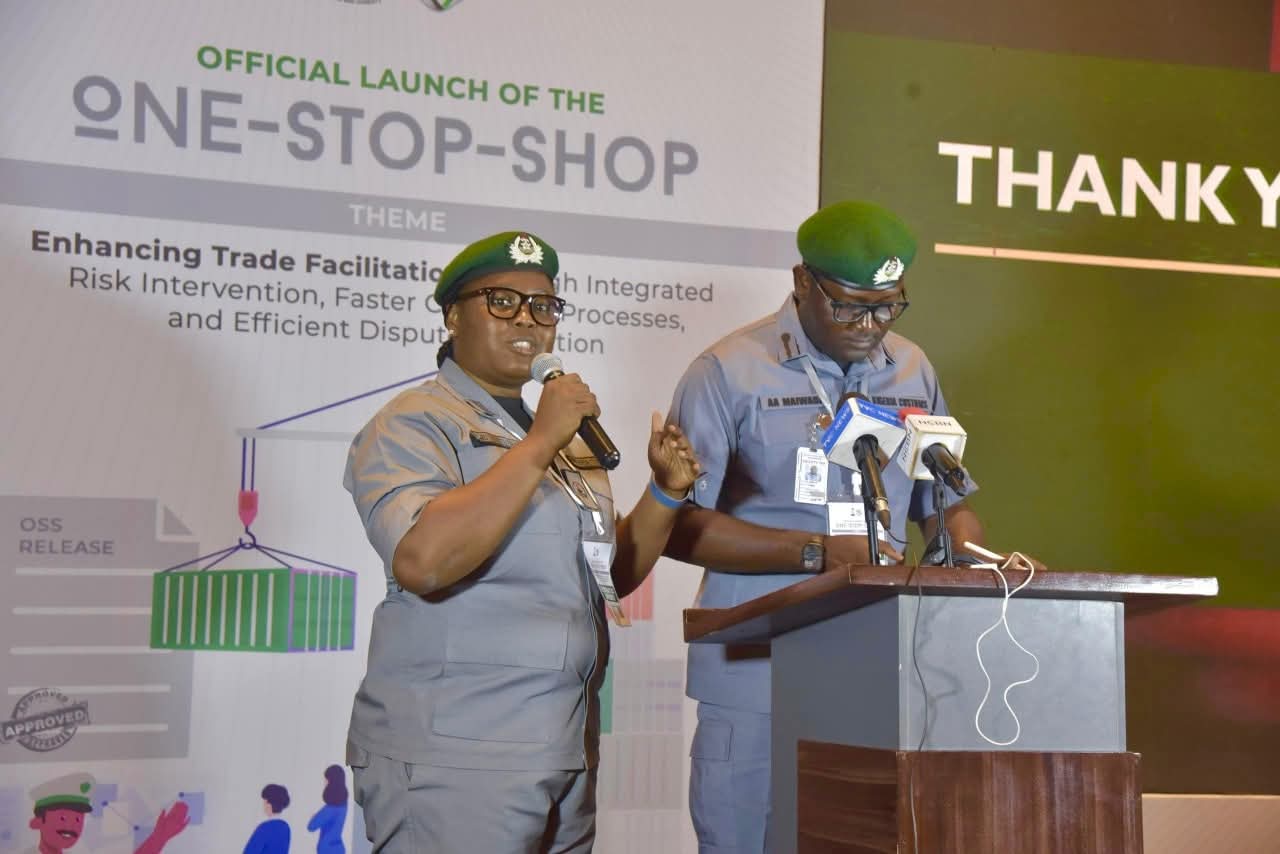
Also speaking at the event, the Deputy Comptroller-General of Customs in charge of Tariff and Trade, Caroline Niagwan, said the OSS platform consolidates all risk interventions into a single electronic interface, streamlining multiple checks into a single digital umbrella.
“Today, the NCS is introducing the One-Stop-Shop digital platform, an innovative system designed to consolidate all risk interventions at the port into a single electronic interface,” she said. “We have listened to your feedback and recognised how multiple checkpoints and risk interventions affect business processes. Your involvement in this engagement is crucial to the success of this reform.”
A technical presentation by the Service’s Trade Facilitation Unit outlined strategies to reduce clearance time from an average of 21 days to about 48 hours, along with implementation plans and anticipated challenges.
Stakeholders at the engagement expressed strong support for the initiative, noting that the platform would facilitate legitimate trade. An interactive session also provided clarifications on operational procedures and expectations for the OSS rollout.
With this new development that aims to enhance efficient border management, industries will become more competitive, employment opportunities will expand, and national productivity will be strengthened.