
Experts Map Out Strategies for Robust Transport System at GTP Roundtable 2025
ZAINAB JUNAID
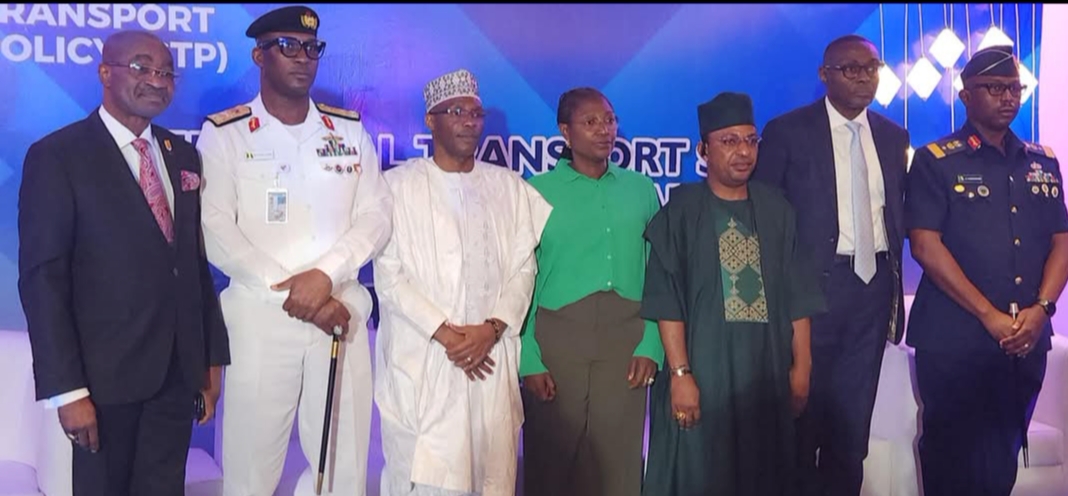
Experts at the Global Transport Policy, GTP, Intermodal Transport System Annual Roundtable 2025, held recently in Lagos have mapped out strategies to achieve a robust transport system, focusing on factors that enhance smooth commuter movement and mitigate challenges.
The Roundtable, themed: Sustainable Transport System: Global Best Practices and Lessons for Nigeria, brought together policy makers, members of diplomatic Corps, captains of the transport industry, and dedicated Stakeholders, at the Marriott Hotel, Ikeja Lagos.
Organized by Global Transport Policy in Collaboration with Lagos State Government, the event paves the way for a shared mission to shape the future of transportation tailored to Nigeria’s unique context.
In a remark, Lagos State Governor Babajide Sanwo-Olu commits to lead in bold investment in transformative transport infrastructure.
He underscored the importance of national commitment, strategic investments, community engagement and bold leadership in achieving sustainable transport.
Governor Sanwo-Olu who was represented by the Managing Director of the Lagos Metropolitan Area Transport Authority, LAMATA, Engr. Mrs. Abimbola Akinajo, said Lagos was creating the momentum for a transport future that not only moves the people efficiently, but also powers the state economy, citing investments in the 68km Green Line rail, major road expansions, and upgraded transport facilities.
He advocated need to create homegrown solutions tailored to Nigeria’s context, to achieve sustainable transport goals.
According to him, Like other global cities, Lagos is re-imagining mobility, leveraging international best practices to bolster its economy and create a robust transportation system tailored to its unique needs.
“Through the Lagos Metropolitan Area Transport Authority (LAMATA), we are creating a transport ecosystem that is multimodal, future-focused, and inclusive. The LAMATA’s multimodal blueprint is setting the foundation for a unified network, linking roads, rail, ferries, and walkways,” he said.
Sanwo-Olu further highlighted institutional collaboration across ministries, agencies and shares of government as a key factor to sustainable transport system.
 The Governor explained that sustainable transport system is about empowering local engineers, planners, innovators to develop homegrown solutions tailored to Nigeria’s context.
“We must reduce our transport emissions, invest in electronic mobility, adopt climate retail infrastructure and ensure our solutions protect the environment and are workable.
“Our Public Private Partnership (PPP) must be encouraged through transparent procurement, risk sharing framework and supportive regulations”.
The Governor noted that strategic planning determination and robust collaboration in infrastructure development at all levels will give positive oriented results.
“Collaboration will help streamline decision making, accelerate project delivery and ensure infrastructure investment are cost effective and impactful. When Stakeholders work together, we benefit from a diversity of perspective and inclusive solutions,” he said.
 The Executive Secretary, Nigeria Shippers Council, (NSC), Pius Akutah, PhD, represented at the event by Alhaji Mustapha Zubair, Director Inland Transport Service Department, NSC, outlined the strategic role of the Council, as related to seamless movement of Cargoes in the Nation’s Seaports.
Related Posts
Zubair recommended the need to develop intermodal transport infrastructure at Lekki seaport to avoid a replicate of what was experienced in Apapa Seaport, “a unimodal transport system will be a challenge,” he stated.
He commended the Lagos State Government for the proactive approach in tackling congestion experienced at Apapa Seaport and called for urgent need to repeat same at Lekki axis for seamless connectivity and reduce congestion.
 Earlier, the convener, Chairman , Global Transport Policy, GTP, Dr. Segun Musa expressed appreciation over the large turnout of participants at the event, stressing the importance of the gathering is to create a more robust conversation that will assist the system and revamp the economy.
Dr. Musa, a technocrat who is also a transport planner for close to thirty- five years noted that this year’s theme: ‘Sustainable Transport System: Global Best Practices and Lessons for Nigeria’ aptly captured the essence of bringing the experts together to tap into their wealth of experience for Nigeria to become a major player in the global economy, especially in transport industry.
“No nation or people can survive in any transformational and development venture without an efficient transportation system whose infrastructure makes the entire world a universal village, it cannot even attain any credible success in educational, industrial, agricultural, healthcare and rural development systems because what makes the world go round remains the possibility of human reachability and interaction.
 “The transport industry is crucial to our economy as it continues to contribute not less than 4.7% to GDP and supporting millions of jobs.
“Our infrastructure is facing significant challenges, including congestion, pollution, and safety concerns and to address these issues, adoption of global best practices in sustainable transport infrastructure development is the way forward. Nigeria need to meet around $3 billion annually in transportation infrastructure to meet growing demands,” he stated.
The forum had three plenary sessions with panelists brainstorming on several critical topics that will enhance ease movement of People and Goods across region.
The experts include: Jama Onwubuarri Co-founder/MD, Trucks Transit Parks Limited; Adetayo Bamiduro, Executive Director, Max Drive; Barr Oritsematosan Edodo-Emore, Chair, Zoe Maritime Resources; Mr. Satish Kumar, Business Head, Greenville LNG; Capt. Giorgio Enrico Del Celo, CEO, Prime Next Logistics Limited; Capt. Emmanuel Iheanacho, MD/CEO Integrated Oil & Gas Ltd; among others, with Regina Robinson, Media Director, Global Transport Policy News Limited, as one of the moderators.
They established that transport system which need to play a vital role in facilitating economic growth, reduce poverty and improve quality of life of the citizens, is disjointed.
 “Transport system in Nigeria is not properly integrated. Wetland transport is not properly reorganized. Government policies are not well implemented. All these among other salient issues impede sustainable transport system in Nigeria”.
Their resolutions include: Need for integrated transport network which will enhance seamless connectivity between different modes of transportation; continued infrastructure development; Real time monitoring and optimization of traffic flow; strengthen institutions; promoting eco-friendly mode of transportation like electric vehicles; ensuring sustainability and social inclusivity among others will help create a more efficient, reliable, and user friendly transport system.
Transport system is about vision and leadership and it must be effective, responsible and socially inclusive.
